
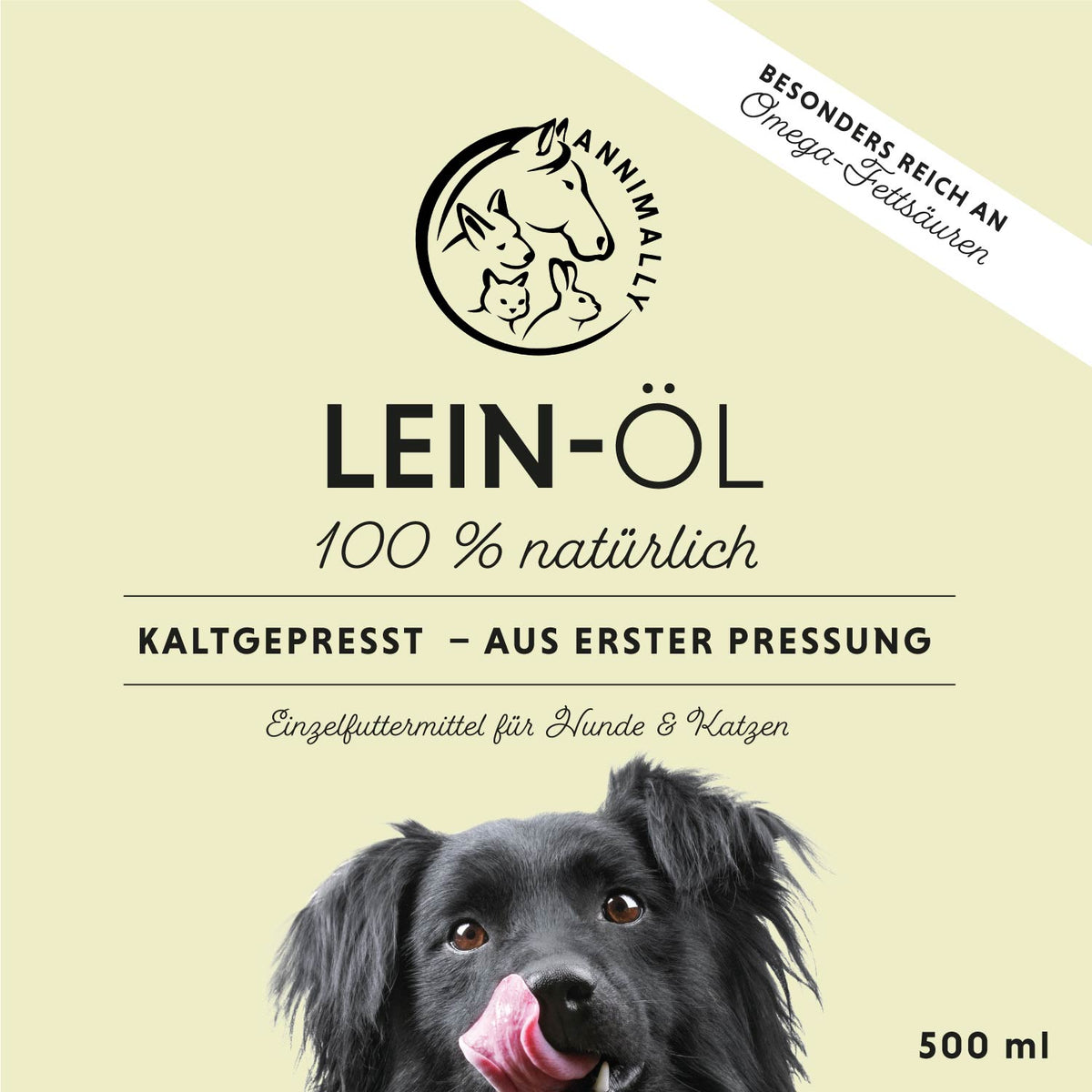
Linseed oil for dogs: Natural health for skin, coat and vitality
Why linseed oil is a valuable supplement for dogs
Linseed oil is a real miracle cure when it comes to your dog's nutrition and health. It is rich in essential omega-3 fatty acids, which are vital for many bodily functions. Due to its high content of alpha-linolenic acid (ALA), a particularly valuable omega-3 fatty acid, linseed oil can help support your dog's skin and coat, cardiovascular system, joints, and metabolism.
However, it is not only dogs that benefit from these valuable ingredients – cats and other animals can also receive linseed oil as a natural feed supplement. In this article, you will learn why linseed oil is so valuable for dogs, what effects it has, how to dose it correctly, and what you should look for when buying it.

What is linseed oil? – A valuable oil with a long tradition
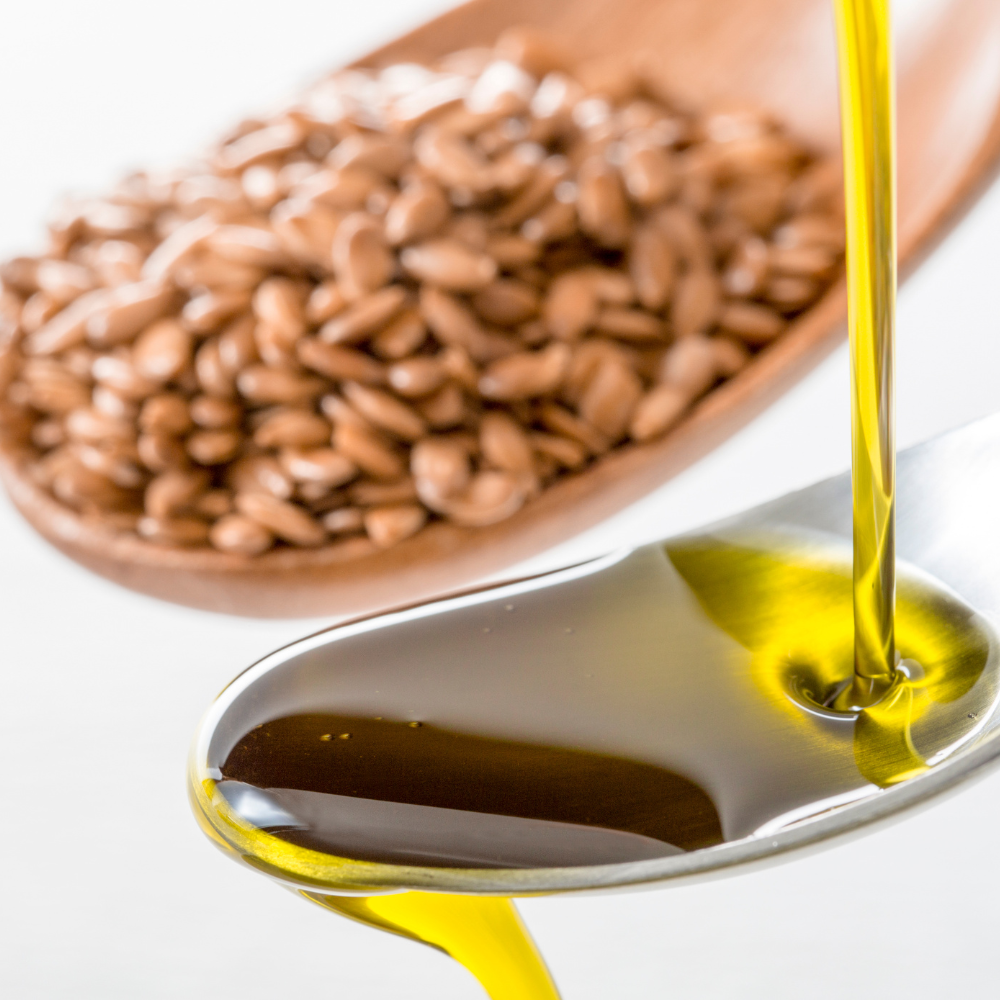
Linseed oil is extracted from the seeds of the flax plant (Linum usitatissimum) and is considered one of the most valuable vegetable oils. It is particularly well-known for its high content of omega-3 fatty acids, which play an essential role in the nutrition of both humans and dogs.
Extraction is carried out by cold pressing to preserve all valuable nutrients. This gentle processing ensures that the sensitive fatty acids, vitamins, and antioxidants are retained in their natural form.
Since dogs—just like humans—cannot produce certain fatty acids themselves, they must be ingested through food. Linseed oil offers an excellent way to meet the need for omega fatty acids while simultaneously achieving numerous positive health effects.
The valuable ingredients of linseed oil
Linseed oil is an outstanding source of many essential nutrients that support your dog's body in many ways. The most important components are:
Omega-3 fatty acids – Essential for canine health
Linseed oil contains a particularly high proportion of alpha-linolenic acid (ALA), a plant-based form of omega-3 fatty acids. These have a positive effect on:
✔ Cardiovascular health
✔ Skin and coat
✔ Joints and mobility
✔ The immune system
A lack of omega-3 can lead to dry skin, dull fur, inflammation, and a weakened immune system in dogs.

Omega-6 fatty acids – The right ratio counts
In addition to omega-3 fatty acids, linseed oil also contains omega-6 fatty acids, but in an ideal ratio. Since dogs usually already consume enough omega-6 fatty acids through their dog food, linseed oil helps to balance the ratio of omega-3 to omega-6 and reduce inflammatory processes in the body.
Vitamin E – Natural cell protection
Vitamin E is a powerful antioxidant that protects your dog's body cells from free radicals. It supports:
✅ Skin health
✅ The immune system
✅ Cell regeneration
Since linseed oil is particularly rich in vitamin E, it helps to maintain your dog's vitality and well-being in the long term.
The effect of linseed oil on dogs
Skin and coat – For a shiny, healthy coat
A shiny, strong coat is not only a sign of beauty but also an important indicator of your dog's general health. The omega-3 fatty acids contained in linseed oil contribute significantly to moisturizing the skin, regulating sebum production, and keeping the coat soft and shiny. Dogs that suffer from dry skin, dandruff, or itching can particularly benefit from the regular administration of linseed oil. The oil can also help strengthen the skin barrier and soothe irritation in cases of allergic reactions or sensitive skin.
Another common problem in dogs is seasonal shedding. During this time, the body needs plenty of nutrients to rebuild a healthy, thick coat. The vitamin E contained in linseed oil helps skin cells regenerate faster, while the essential fatty acids promote the formation of the coat structure.
In addition to its external effect on the skin and coat, linseed oil also has a profound effect on your dog's metabolism. By reducing inflammation in the body, it can contribute to preventing skin diseases in the long term and maintaining the natural balance of the skin flora.
Support for the joints
Healthy joints are essential for an active and happy dog life. Older dogs or breeds that are prone to joint problems particularly benefit from targeted support through the right diet. Thanks to its anti-inflammatory properties, linseed oil for dogs can help promote joint health and alleviate complaints such as stiffness or pain.
The omega-3 fatty acids contained in linseed oil, especially alpha-linolenic acid (ALA), play a key role in reducing inflammation in the joints. Inflammatory processes are one of the main causes of joint problems, whether due to osteoarthritis, age-related wear and tear, or other degenerative diseases of the musculoskeletal system. Through the regular administration of linseed oil, swelling and pain can be reduced, allowing your dog to move more freely again.
Furthermore, linseed oil promotes the formation of synovial fluid, which is essential for smooth joint movement. A lack of this joint lubricant can lead to increased wear on cartilage surfaces and restricted movement. Especially for active dogs that run, jump, or participate in dog sports, linseed oil can help keep joints healthy in the long term.
Strengthening the cardiovascular system
A healthy cardiovascular system is essential for your dog's vitality and well-being. The omega-3 fatty acids contained in linseed oil help to promote blood circulation, keep blood vessels supple, and reduce inflammatory processes in the body. Consequently, linseed oil for dogs can help lower the risk of cardiovascular disease and increase overall performance.
Older dogs or animals with a genetic predisposition to heart problems benefit particularly from the regular intake of omega-3 fatty acids. These fatty acids can help regulate blood pressure and keep the heart rate stable. For overweight dogs that are exposed to greater stress on their cardiovascular system, linseed oil can also help improve blood lipid levels and thus reduce the risk of cardiovascular disease.
Another important element is the high vitamin E content in linseed oil, which acts as a strong antioxidant. It protects cells from oxidative stress caused by free radicals and thus supports your dog's organs.
Whether as a preventive measure or as targeted support for existing heart problems – regular administration of linseed oil can be a sensible addition to the diet. It is important to choose a high-quality, cold-pressed organic linseed oil that contains a high proportion of omega-3 fatty acids and thus unfolds the best possible effect on your dog's cardiovascular system.
Supporting digestion
A healthy digestive tract is the basis for your dog's general well-being. If digestion is not functioning optimally, problems such as constipation, flatulence, or an unbalanced intestinal flora can occur. Linseed oil for dogs can be a valuable support here, as it has a gentle but effective effect on the gastrointestinal tract.
The fatty acids contained in linseed oil have a positive effect on the intestinal mucosa and promote a healthy intestinal flora. Omega-3 helps reduce inflammation in the digestive system, which can alleviate complaints such as stomach irritation or diarrhea. In addition, linseed oil supports natural bowel movement, making defecation easier, which is particularly beneficial for dogs with constipation.
Another important aspect is its promoting effect on nutrient absorption. Linseed oil can contribute to better absorption of vitamins and minerals from dog food by the body. This is especially advantageous for dogs with deficiency symptoms or a sensitive metabolism.
Linseed oil for dogs can also help with diet-related allergies or food intolerances. The anti-inflammatory properties of the omega-3 fatty acids help irritated stomach and intestinal mucosa to regenerate faster, thereby improving the dog's general well-being.
A healthy gut means more energy, better nutrient supply, and a strengthened immune system – and that is exactly where linseed oil can help.
Application and dosage of linseed oil for your four-legged friend
The correct dosage depends on the size and weight of your dog. A general recommendation is:
-
Small dogs (up to 10 kg): 1/2 teaspoon daily
-
Medium-sized dogs (10–25 kg): 1 teaspoon daily
-
Large dogs (over 25 kg): 1 tablespoon daily
Tip:
Start with a small amount and increase the dose slowly so as not to overwhelm your dog's digestion.
Quality counts – What you should look for when buying linseed oil
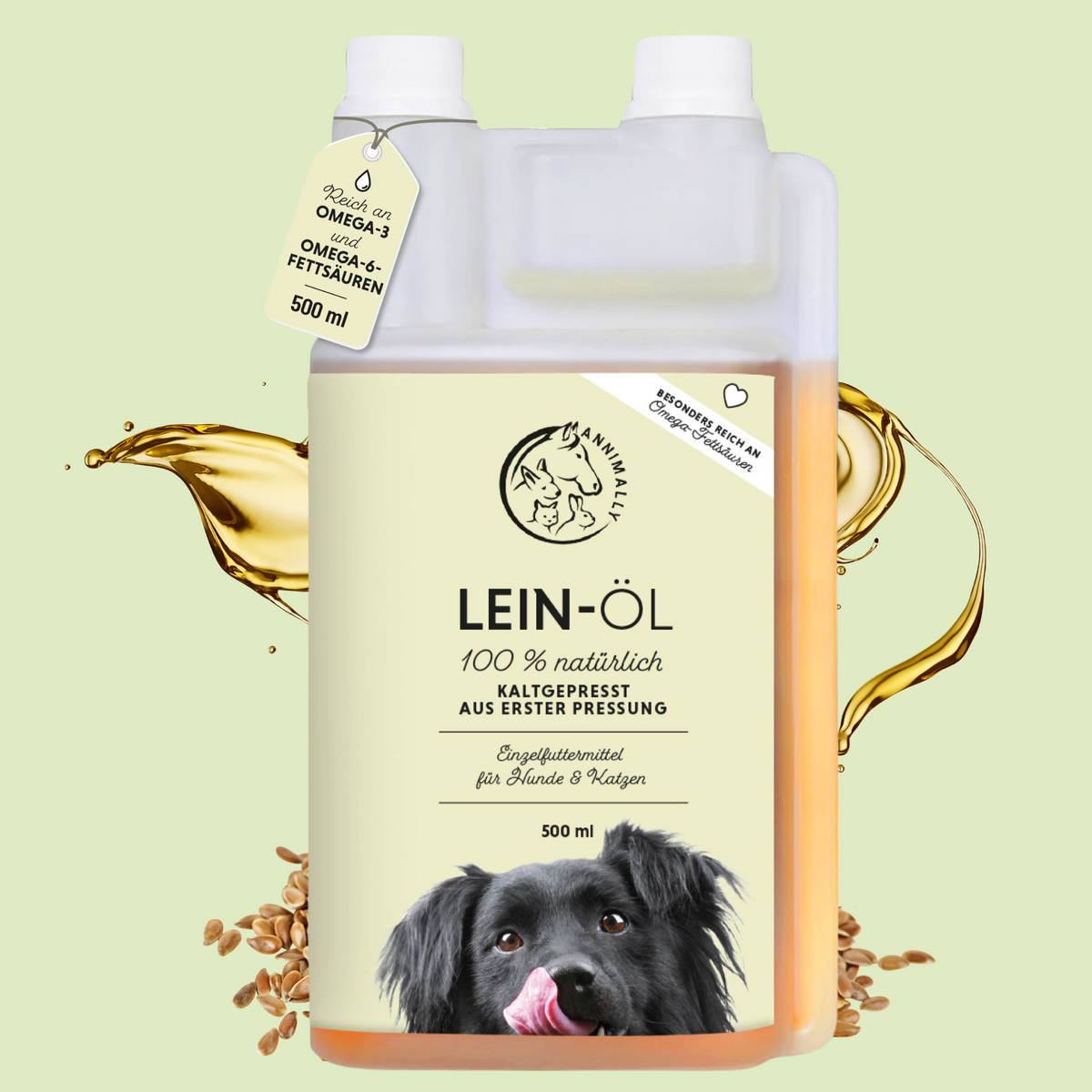
Not all linseed oil is the same! High-quality organic linseed oil should have the following properties:
🔹 Cold-pressed to preserve all valuable nutrients
🔹 Dark bottles to protect sensitive fatty acids from light
🔹 Without additives and chemical processing
A trustworthy oil mill ensures that the linseed oil for dogs is produced to the highest quality.
Linseed oil for puppies – Is it sensible?
Puppies also benefit from valuable omega-3 fatty acids. They support the development of the brain and immune system, and ensure healthy skin and coat. However, the dosage for puppies should be particularly low – a few drops in their food are sufficient.
Conclusion: Why linseed oil belongs in your dog's diet
Linseed oil is a valuable feed supplement that supports your dog's health in a natural way. Thanks to its high proportions of omega-3 fatty acids, vitamin E, and other essential nutrients, it helps strengthen the immune system, joints, cardiovascular system, as well as skin and coat.
When buying, look for a high-quality, cold-pressed organic linseed oil to provide your dog with the best possible support.