
Tea tree oil for dogs: Uses, precautions, and tips for dog owners
As a responsible dog owner, you want the best for your four-legged friend. Natural products like tea tree oil, derived from the leaves of the Australian tea tree (Melaleuca alternifolia), are often touted as a remedy for various ailments in humans. But how safe is tea tree oil for dogs?
In this article, you will learn everything you need to know about its use, potential risks, and what you should look out for when using it.
What is tea tree oil?
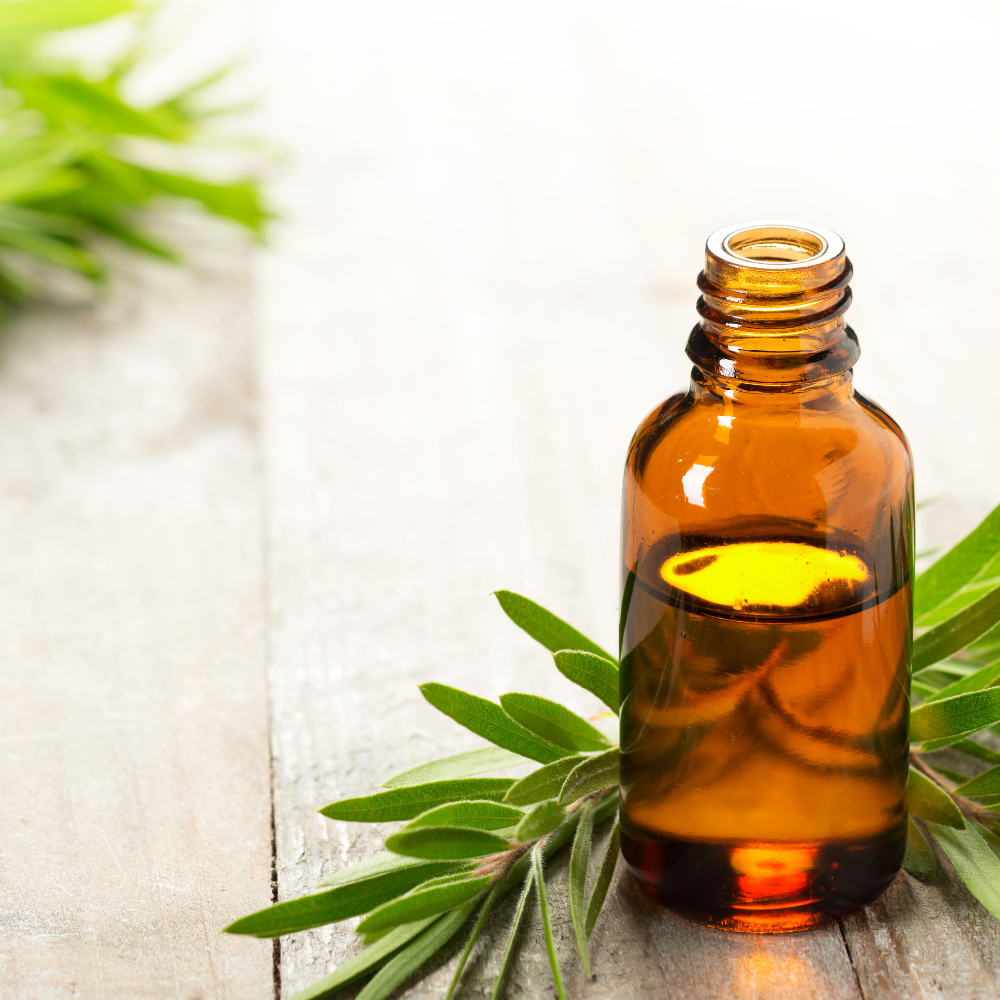
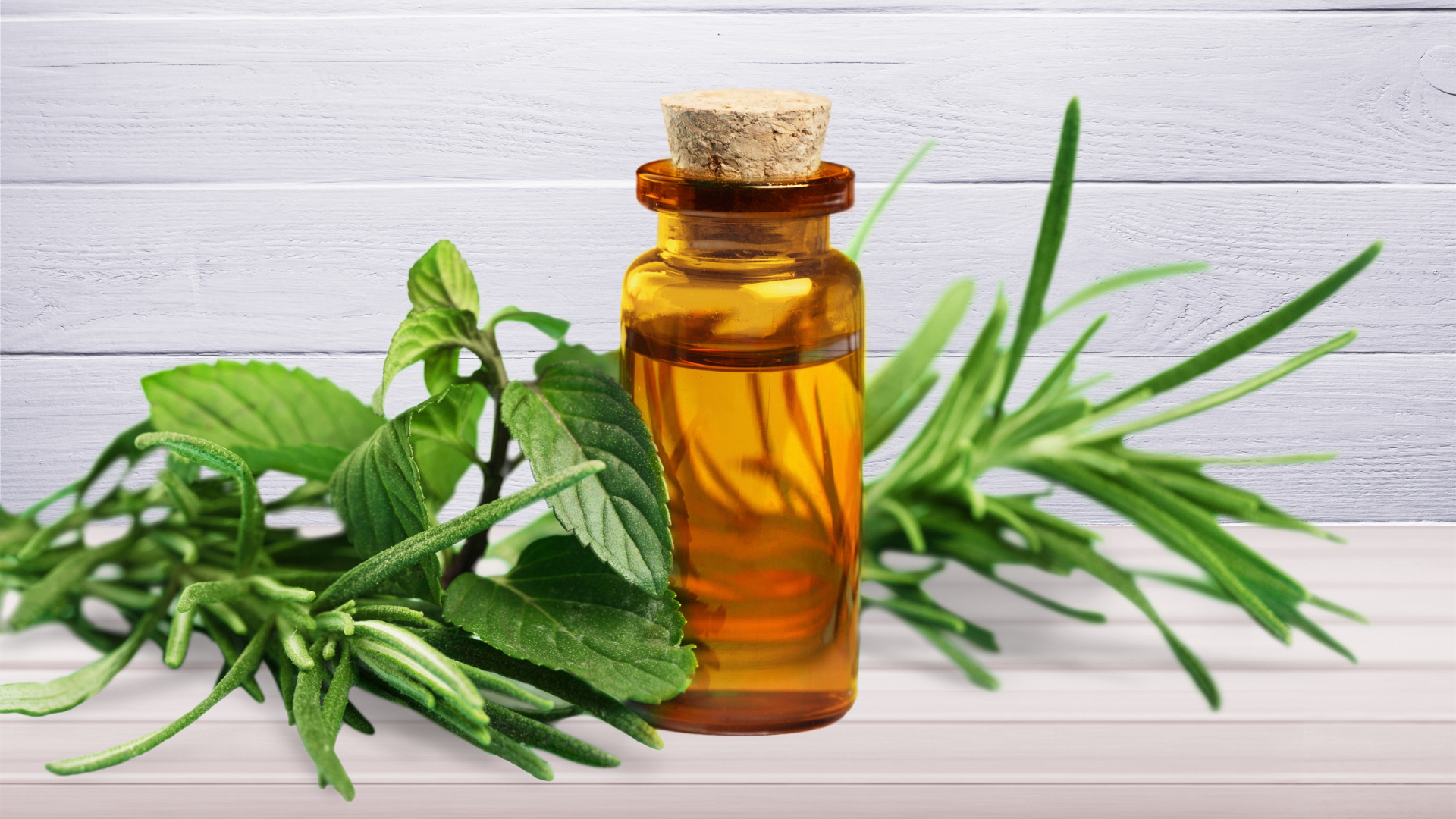
Tea tree oil is an essential oil extracted from the leaves of the Australian tea tree. It has antibacterial, antiviral, and antifungal properties and is therefore frequently used in natural medicine. In humans, it is used for skin problems, inflammation, and as an ingredient in skincare products.
Using tea tree oil on dogs
The idea of using tea tree oil on dogs as well is tempting. Some dog owners use it for:
-
Coat care: Improving the condition of skin and fur.
-
Treating skin problems: Relieving inflammation, hot spots, or fungal infections.
-
Parasite control: Protection against ticks and fleas.
Caution during use
Despite the potential benefits, caution is advised. Dogs are more sensitive to certain compounds in tea tree oil than humans. Improper use can lead to serious health problems.
Risks and signs of poisoning
Improper use or overdosing can lead to the following symptoms:
-
Weakness: Your dog appears lethargic and shows little interest in its surroundings.
-
Vomiting: Frequent vomiting for no apparent reason.
-
Drooling: Excessive salivation.
-
Paralysis: Difficulty walking or standing.
-
Coma: In the worst case, it can lead to unconsciousness.
These symptoms can appear within a few hours of application. If you suspect poisoning, you should consult a veterinarian immediately.

Why are dogs more sensitive?
Dogs cannot metabolize certain compounds in tea tree oil as effectively as humans. This means that even small amounts can be toxic. Small dog breeds and young dogs are particularly at risk.
Application recommendations for dog owners
If you still want to use tea tree oil on your dog, follow these rules:
-
Dilution: Never use undiluted tea tree oil. Always mix it with a carrier oil like coconut or olive oil. A ratio of 1:100 (1 drop of tea tree oil to 100 drops of carrier oil) is recommended.
-
Small amounts: Apply only a small amount of the diluted solution to the affected skin area.
-
Observation: Monitor your dog closely after application for any possible symptoms.
-
Do not administer orally: Tea tree oil should never be administered by mouth.
-
Avoidance in cats: Cats are even more sensitive to tea tree oil and can develop severe symptoms of poisoning.
Alternatives to tea tree oil
There are safe alternatives for the care and treatment of your dog:
-
Coconut oil: A natural oil with antibacterial properties, suitable for coat care and as protection against parasites.
-
Aloe vera: Relieves skin irritation and promotes healing.
-
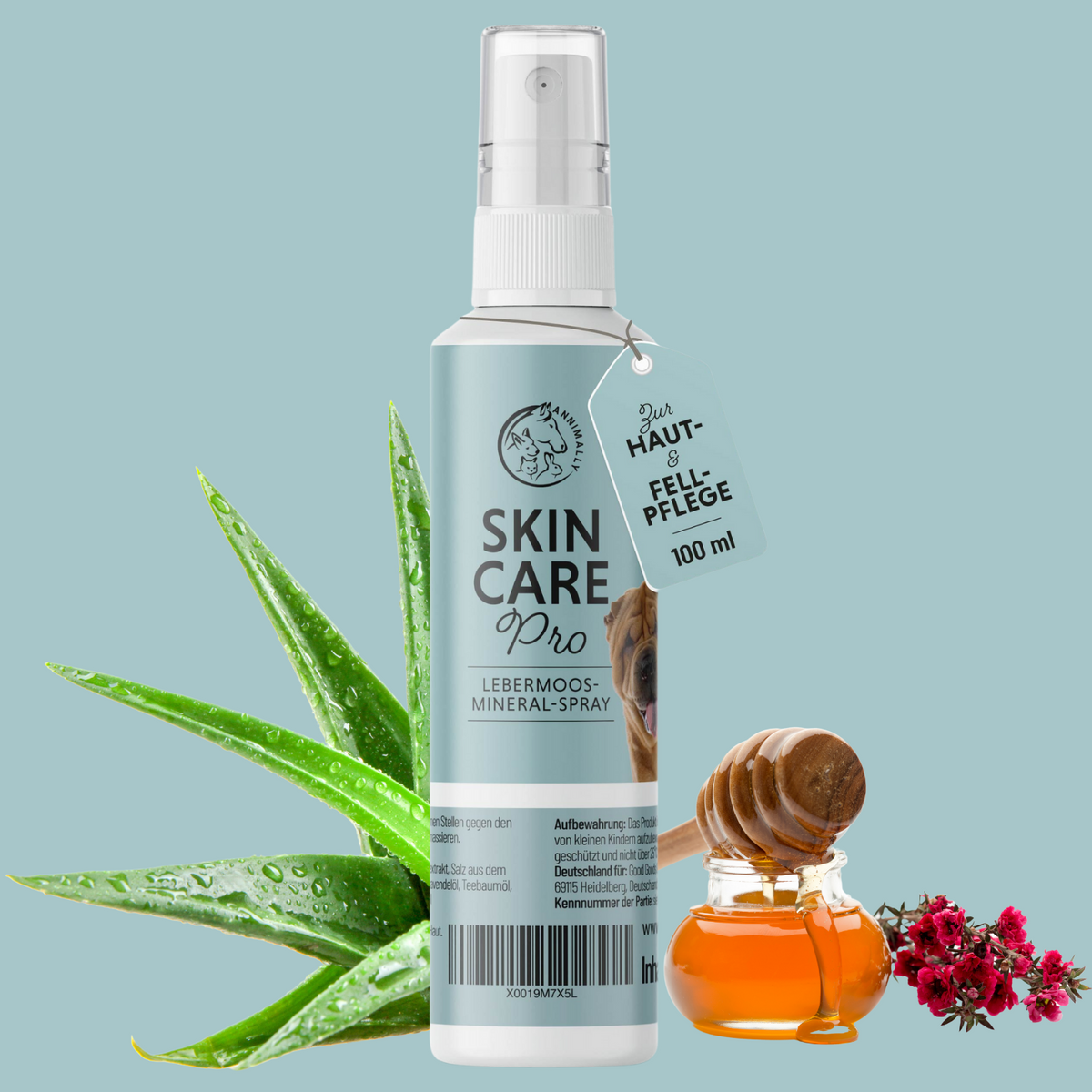
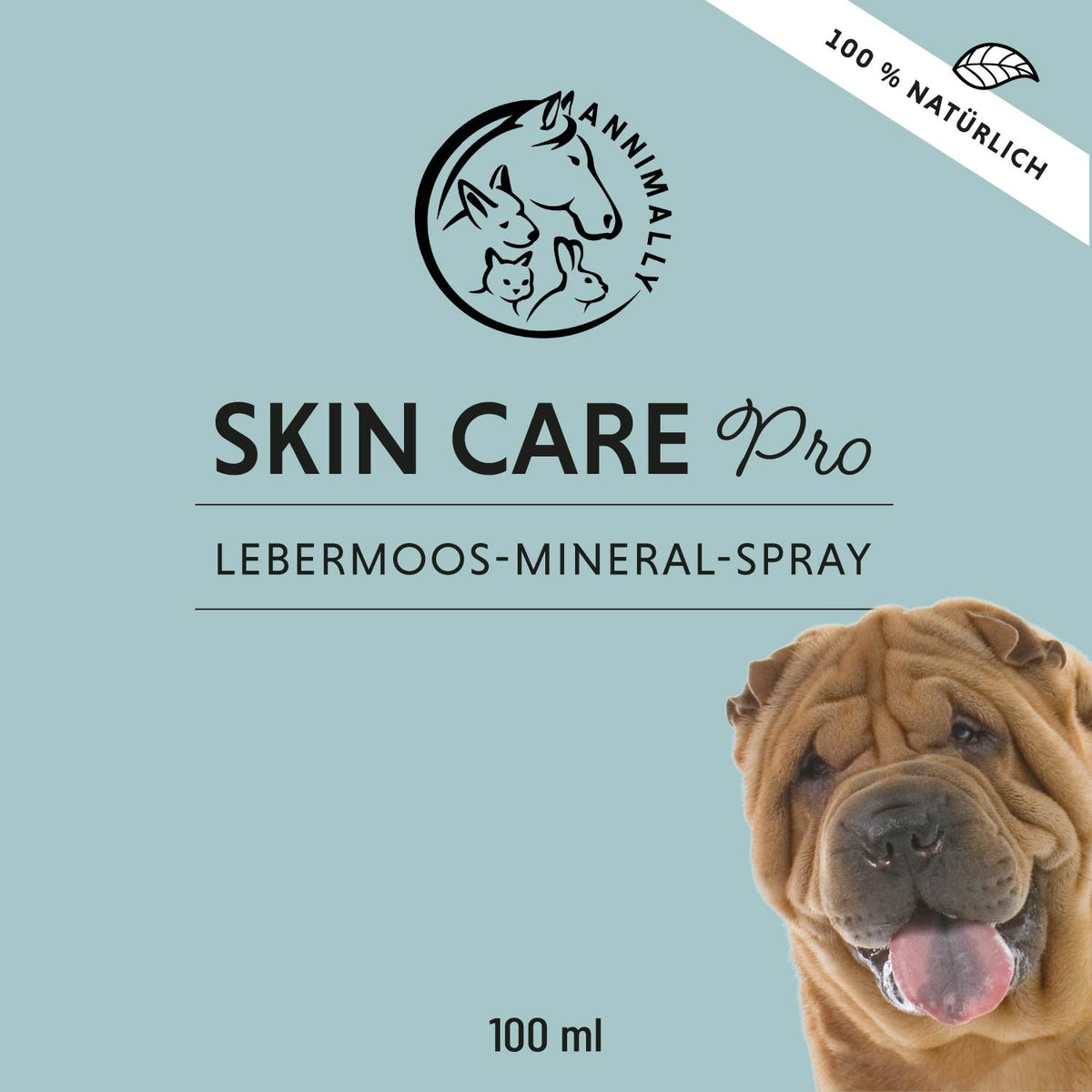
Specially developed products: Use care products that have been developed specifically for dogs and whose tolerance has been tested, such as our Skin Care Pro. It provides support with regular application and nourishes the dry and flaky skin of your four-legged friend.
Conclusion
Although tea tree oil offers numerous benefits for humans, caution is advised when using it on dogs. The potential risks often outweigh the benefits. As a responsible dog owner, you should always keep the well-being of your four-legged friend in mind and, in case of doubt, rely on safer alternatives.
In case of any uncertainty or if symptoms occur, always consult a veterinarian.