
Arnica for horses: Natural support for injuries, swelling and sore muscles
If your horse gets injured, suffers from bruises, or is exhausted after training, you naturally want the best for its recovery. More and more horse owners are therefore turning to the power of nature – and arnica plays a particularly important role in this.
In this article, you will learn all the important information about using arnica (Arnica montana) for horses, which products are available, which ingredients they contain, and what you should look for when buying.
What actually is arnica?
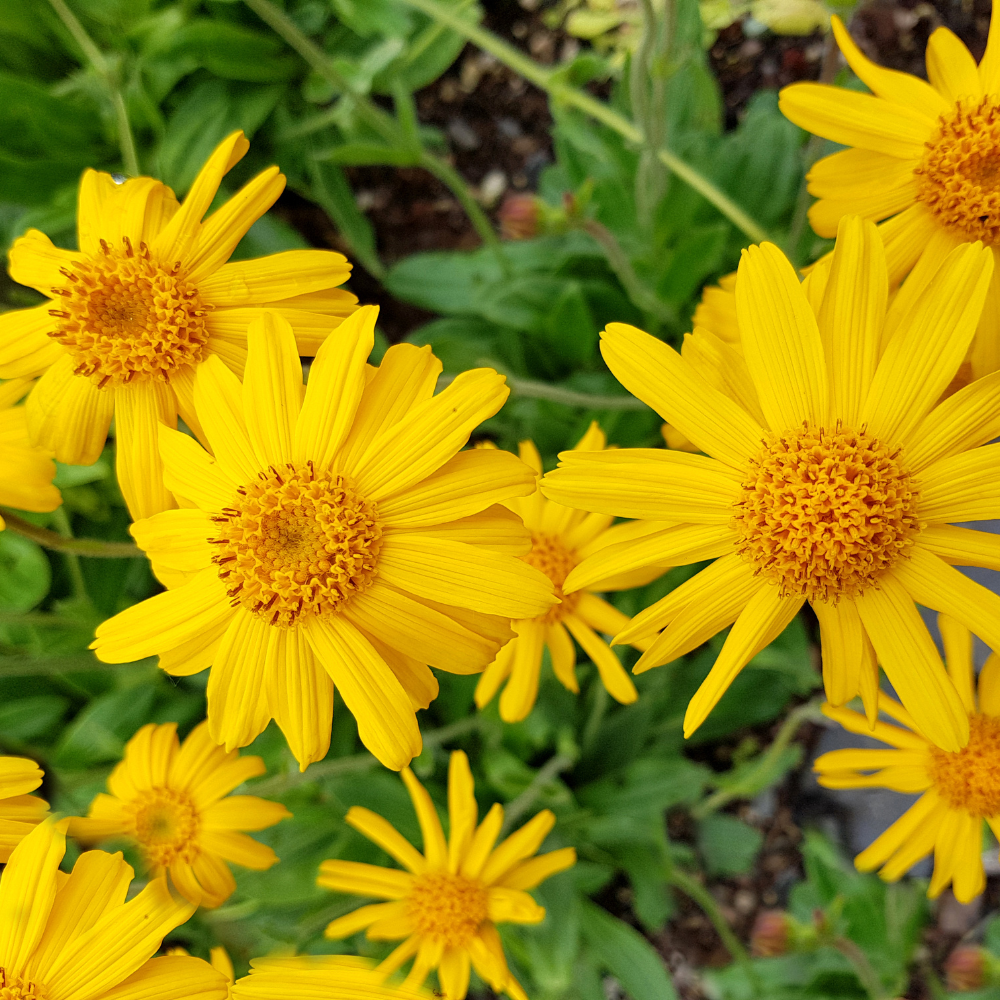
Arnica, also known as Arnica montana, is a traditional medicinal plant that has been used for centuries on both humans and animals to alleviate injuries, swelling, and muscle pain.
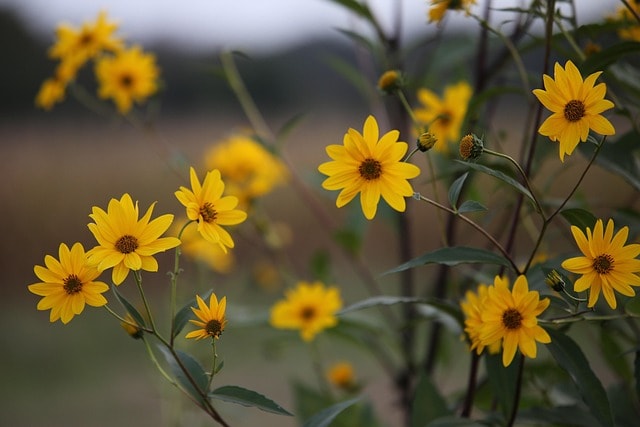
The bright yellow plant grows in high-altitude European regions and is known for its anti-inflammatory and circulation-promoting effects.
Arnica has proven itself as a supportive remedy, especially for horses that often suffer from muscle, tendon, or skin issues in sports or due to strenuous exertion.
Why is arnica so popular for horses?
Your horse can easily sustain a bruise, a hematoma, or other injuries – whether in the paddock, during training, or due to minor mishaps. The consequences? Swelling, pain, and restricted mobility.
Arnica products such as gels, ointments, or creams can effectively help here. They offer:
-
Rapid relief from swelling
-
Support for recovery
-
Promotion of blood circulation in the affected area
-
Natural support for trauma or muscle tension
-
Less strain on the gastrointestinal tract, as many products are applied topically
Which arnica products are available for horses?
The selection of products containing arnica is large. Depending on the situation and the type of injury, you can choose the right preparation:
1. Arnica gel for horses
-
Provides a pleasant cooling effect
-
Ideal for fresh bruises and swelling
-
Easy to apply
-
Absorbed quickly by the skin
2. Arnica ointment / cream
-
Particularly suitable for chronic ailments
-
Nourishes the skin
-
Absorbs more slowly, ideal for longer-lasting effects
3. Homeopathic arnica globules or drops
-
For internal use
-
For injuries, hematomas, or post-surgery
-
Popular in homeopathy
4. Combination products
-
Often contain other medicinal plants like marigold, devil's claw, or comfrey
-
For holistic support in cases of injury or physical stress
Ingredients: What is in arnica products for horses?
In high-quality products, arnica is usually at the top of the ingredient list. Depending on the product, this is supplemented by:
-
Alcohol (for preservation and better absorption)
-
Essential oils
-
Plant extracts (e.g., rosemary, menthol, chamomile)
-
Gelling agents like xanthan
-
Nourishing oils (e.g., almond oil, jojoba oil)
When purchasing, be sure to look for a short, transparent list of ingredients – this minimizes the risk of skin irritation for your horse.
Application: How to use arnica correctly
Using arnica for your horse is simple – but it should be done in a targeted manner:
🔹 Topically:
-
Apply the gel, cream, or ointment to the affected area.
-
Avoid open wounds – arnica must not be applied to broken skin.
-
Massage the product in gently.
-
Repeat the application 2–3 times daily.
🔹 Internally:
-
Homeopathic globules or drops should ideally be given after consulting a veterinarian or animal practitioner.
-
Arnica is frequently used in D6 or D12 potency.
-
Particularly helpful immediately after a fall or trauma.
When should you use arnica for your horse?
Arnica can be a valuable support for your horse in many situations. It helps to relax the muscles and promote recovery, especially after intensive training sessions.
The medicinal plant also proves effective for blunt injuries like bruises or swelling. If your horse shows signs of muscle or tendon strain, arnica can also have soothing effects.
Following surgery, it supports wound healing in a natural way and is excellent for accompanying care. Last but not least, arnica also plays an important role in post-trauma aftercare.
However, remember: arnica does not replace veterinary treatment, but serves as a supplementary product to support the healing process.
Are there side effects or precautions for use?
As a rule, arnica is well-tolerated. Nevertheless, there are a few important points to note:
-
Do not apply to open wounds or mucous membranes.
-
Observe your horse for potential skin reactions after the first application.
-
Use internally only in the recommended amounts and potencies.
-
In case of uncertainty or severe injuries: always consult a veterinarian.
Buying arnica – what should you look for?
When buying an arnica product for your horse, you should look for:
-
Natural ingredients
-
Free from artificial fragrances, colors, and preservatives
-
Developed specifically for animals or horses
-
Positive reviews from other customers
-
Transparent information regarding production and origin
Popular providers specialize in animal products or homeopathy, which builds trust.
Conclusion: Arnica as a proven aid for your horse
Whether a leisure horse or a sports partner – your horse deserves the best care. Arnica offers you a proven way to alleviate ailments, promote recovery, and provide support for injuries, muscle pain, and more.
With the multitude of products – from cooling gels and nourishing creams to homeopathic remedies – you will surely find the right product for your horse's individual needs.
Trust in the power of the medicinal plant and give your horse the natural support it deserves.