

Calcium for horses: Everything you need to know about proper calcium intake
Ensuring your horse has an adequate supply of calcium is crucial for its health and performance. Calcium is the most important mineral for bone health, the stability of teeth, and proper muscle function. However, for your horse to truly absorb and utilize the calcium from its feed, other elements such as phosphorus and vitamin D are also essential. These not only support the absorption of calcium but also help to maintain balance in the body.
In this comprehensive guide, you will learn why calcium, phosphorus, and vitamin D are inextricably linked and how you can ensure the best possible supply for your horse.

Why calcium is indispensable for horses
Calcium is one of the most important building blocks for a healthy and stable life for your horse. Approximately 99% of the calcium in your horse's body is stored in the bones and teeth, contributing to the stability of the entire skeleton. Beyond this structural role, calcium is also critical for many other processes in your horse's body.
It supports muscle contraction, which is particularly important for performance horses, and plays a key role in the transmission of nerve impulses. Without sufficient calcium, these bodily functions cannot operate optimally, which can severely impair your horse's performance and well-being.
The importance of calcium for bones and teeth
The majority of calcium in your horse's body is stored in the bone tissue. Calcium strengthens the bones and provides them with the firmness to withstand the body's weight and offer stability during movement.
In young horses, calcium supports growth and the development of a strong skeletal structure. A deficiency, on the other hand, can cause growth problems and bone loss, which can lead to long-term damage, especially in young and growing horses.
Calcium and muscles: Strengthening muscle function
Calcium is just as essential for muscles as it is for bones. During every movement, the body requires calcium to contract and then relax the muscles. This applies not only to the skeletal muscles but also to the heart muscle.
Your horse's heart relies on an adequate supply of calcium to beat reliably and steadily. Horses with a calcium deficiency can therefore suffer from muscle cramps and tremors, and may show reduced overall performance.
Vitamin D: The key to calcium absorption
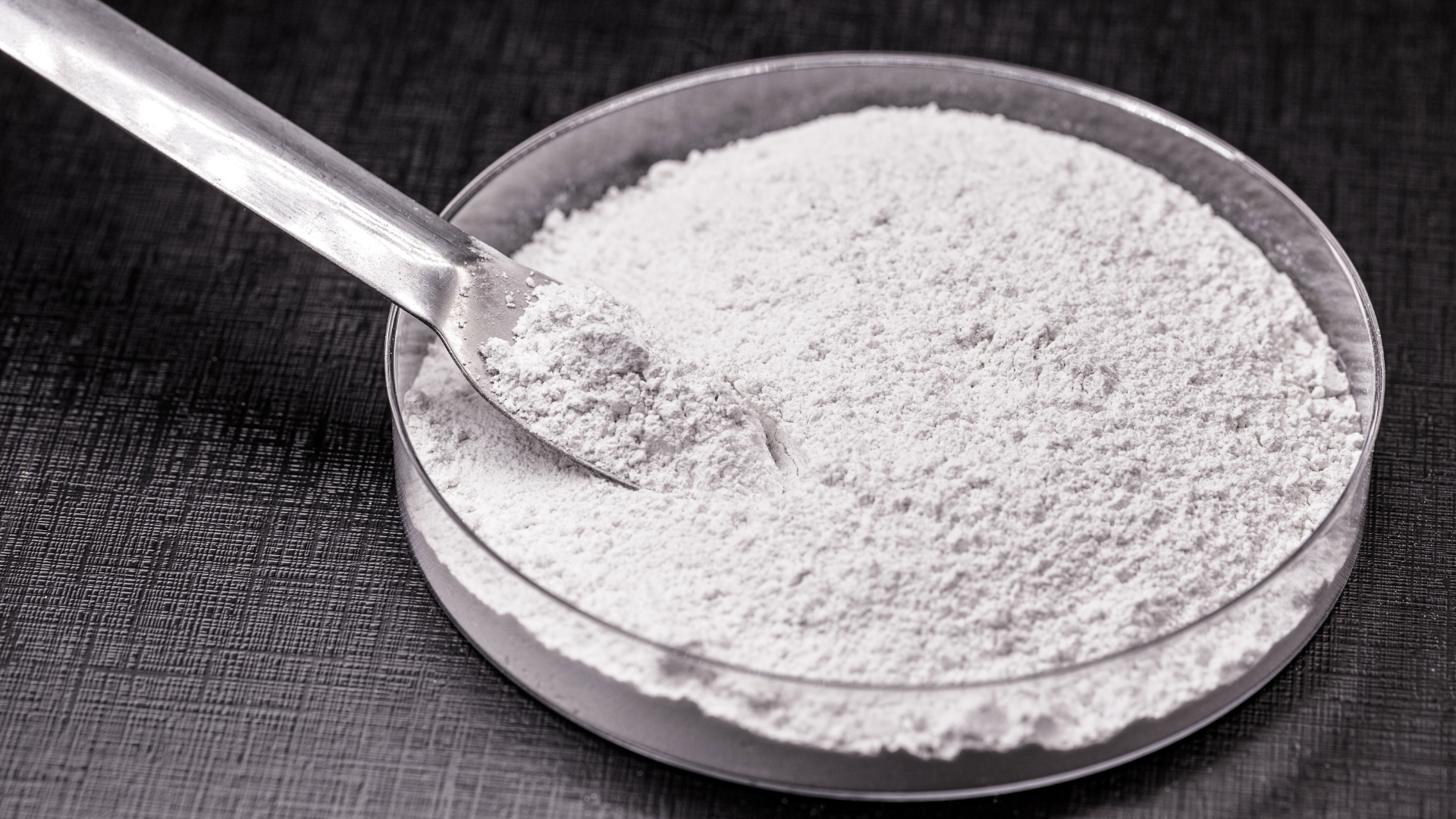
Vitamin D is essential for optimal calcium absorption. It promotes the absorption of calcium in the intestine and ensures that it enters the bloodstream, where it can perform its functions. Without sufficient vitamin D, the body cannot fully utilize the absorbed calcium, which impairs the horse's supply. In nature, this vitamin is produced naturally in the horse's skin through sunlight.
The correct calcium-phosphorus ratio for a healthy balance
Calcium and phosphorus exist in a delicate balance that must be strictly maintained. Phosphorus is another important mineral required for your horse's bone structure and energy metabolism. An optimal ratio is 2:1, meaning two parts calcium to one part phosphorus.
If the phosphorus content is too high, it can hinder calcium absorption and pull calcium from the bones, leading to a weakening of the skeleton. It is therefore important to monitor the ratio in your horse's feed closely to ensure a balanced supply.
Your horse's daily calcium requirement: How much is needed
Your horse's calcium requirement varies depending on age, activity level, and life stage. On average, an adult horse requires about 30 to 40 grams of calcium per 100 kilograms of body weight daily. Pregnant and lactating mares, as well as young horses, have a higher requirement, as they need additional calcium for growth and milk production. Since the requirement can change depending on life circumstances, it makes sense to check your horse's calcium status regularly.
Calcium sources in basic feed: Hay and grass
Hay and grass are the main feed sources for most horses and already contain a certain amount of calcium. However, the calcium content can vary greatly depending on soil quality and plant species. If grass grows on calcareous soil, it is generally richer in calcium. By carefully selecting your basic feed, you can positively influence your horse's calcium supply.
Natural calcium sources: Alfalfa and clover
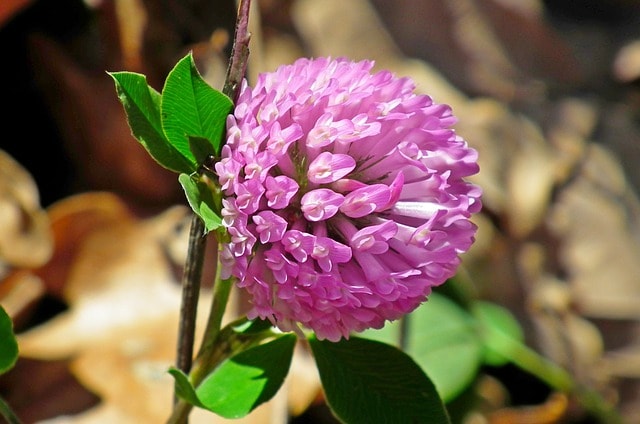
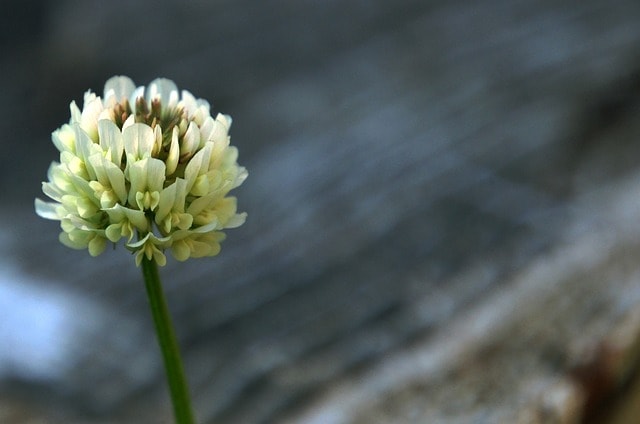
Alfalfa and clover are very calcium-rich plants and are excellent as natural feed supplements for horses with an increased calcium requirement. Alfalfa hay is particularly suitable for growing horses or lactating mares, as it contains valuable proteins and vitamins in addition to calcium. By adding alfalfa or clover, you can increase your horse's calcium intake naturally.
Calcium supplements: When they make sense and which ones are available
Calcium supplements can be useful if your horse's basic feed does not contain enough calcium. Popular supplements include, for example, seaweed lime or special mineral feed mixtures that provide the mineral in a high concentration and a highly available form. Since an overdose can lead to an unwanted shift in the calcium-phosphorus ratio, you should always discuss the use and dosage with a veterinarian or equine nutritionist.
Recognizing and acting on symptoms of calcium deficiency
A calcium deficiency in horses often only becomes apparent through non-specific symptoms. The most common signs include:
Growth problems: In young horses, a calcium deficiency can lead to bone deformities and growth disturbances.
Brittle bones: Even in adult horses, a deficiency can increase the risk of bone fractures.
Muscle cramps and tremors: Since calcium is important for muscle contraction, a deficiency often manifests as muscle problems.
General weakness and reduced performance: A deficiency can impair your horse's vitality and lead to fatigue and lower stamina.
If you observe one or more of these symptoms, have a blood test performed and review your horse's feeding regimen.
Tips for optimal calcium absorption and supply
To ensure your horse is always well supplied with calcium, follow these tips:
-
Have a feed analysis performed: Have your hay and grass regularly tested for calcium and phosphorus. This way, you will know exactly whether your horse requires additional supplements.
-
Ensure vitamin D: Make sure your horse gets enough sunlight. In winter or if kept strictly in the stable, vitamin D supplements may be useful.
-
Feed according to requirements: Adjust the calcium intake based on age and life stage. Young horses and lactating mares have a higher requirement than adult horses.
-
Keep an eye on the calcium-phosphorus ratio: Maintain the recommended 2:1 ratio to ensure optimal utilization.
-
Include calcium-rich plants like alfalfa and clover: These plants can be mixed into the basic feed and support the calcium supply naturally.
Conclusion: Strengthening through the mineral calcium for a healthy horse life
The right combination of calcium, phosphorus, and vitamin D is the key to strong bones, healthy muscles, and a vital nervous system for your horse. Through targeted feeding and requirement-based supplementation, you help your horse stay healthy, perform well, and remain strong.