



Devil's Claw for Horses: Your Comprehensive Guide to Effects, Application and Dosage
Devil's claw root is becoming increasingly popular for horses – particularly for musculoskeletal issues such as joint, tendon, or ligament complaints, as well as metabolic disorders, it can be a natural alternative to support your horse's well-being.
What is devil's claw and why is it so popular for horses?
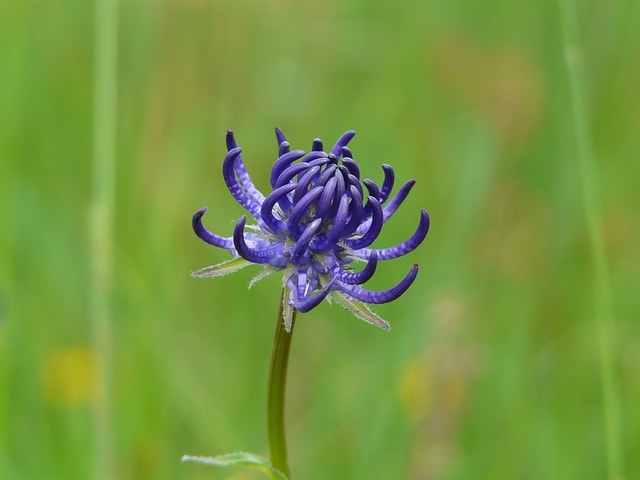
Devil's claw root, botanically known as Harpagophytum procumbens, is a medicinal plant from the dry savanna regions of southern Africa, particularly Namibia, Botswana, and South Africa. Originally, the plant was valued by the indigenous peoples of these regions for its pain-relieving and anti-inflammatory effects. The valuable ingredients of devil's claw are found in its tuberous roots, which are still used for their healing properties today.
Devil's claw root is now also very popular among horse owners, as it can serve as natural support for the animal's joints, tendons, and ligaments. Its anti-inflammatory properties make devil's claw a proven remedy that strengthens the musculoskeletal system and metabolism. It helps to improve your animal's mobility and alleviate pain – ideal for horses suffering from chronic joint problems or musculoskeletal complaints.
How does devil's claw for horses affect the joints?
The main effect of devil's claw lies in its anti-inflammatory and pain-relieving properties. The active ingredient harpagoside can alleviate inflammation in your horse's joints, thereby reducing pain associated with osteoarthritis and similar joint diseases. Horses that receive devil's claw regularly often show increased mobility and improved well-being. This can be of great benefit, especially for older or particularly active horses.
Which horse is devil's claw particularly suitable for?
Devil's claw is primarily suitable for horses suffering from the following problems:
-
Joint complaints: Especially older horses or horses with chronic joint diseases can benefit from devil's claw.
-
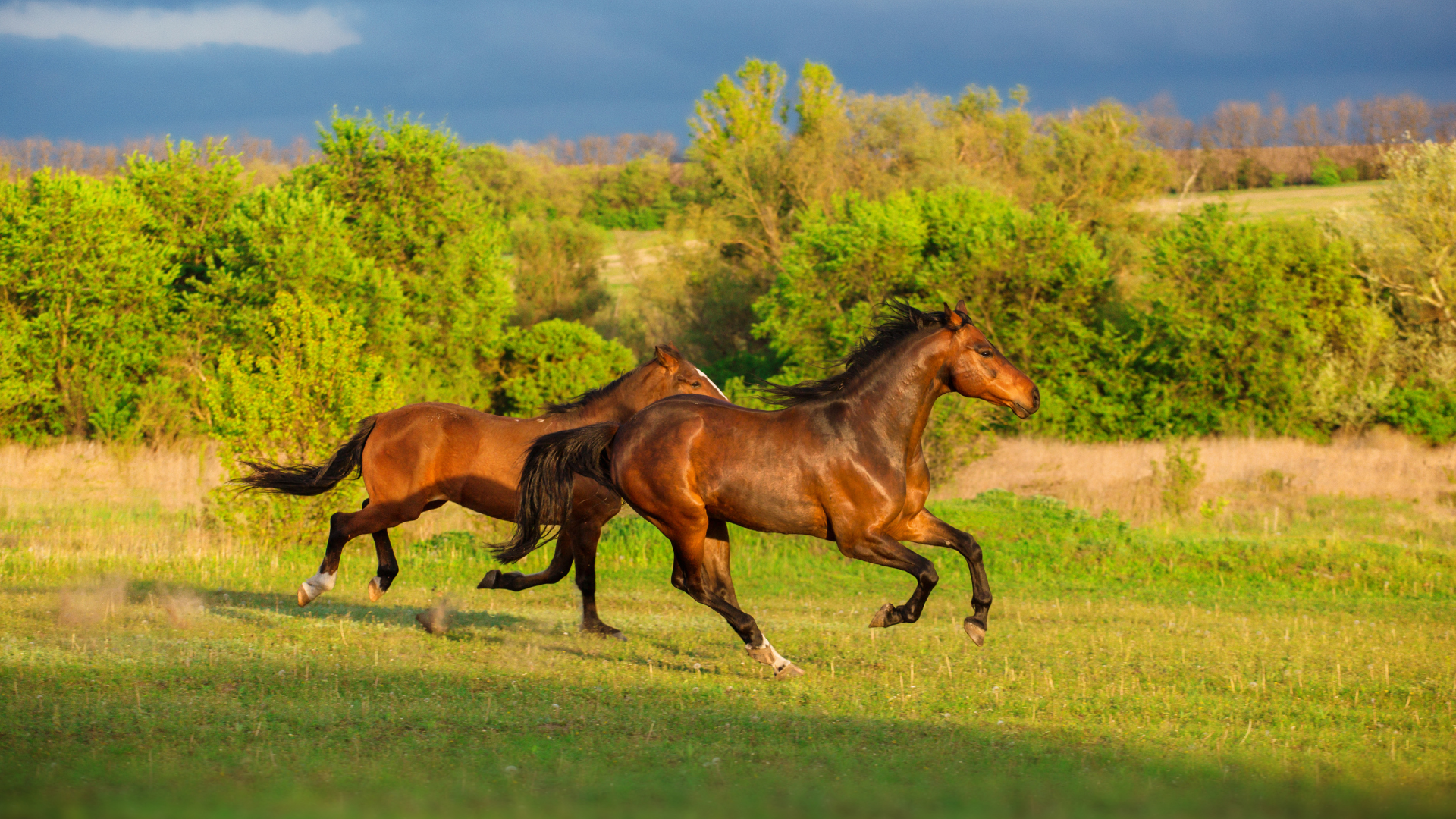
Strains from sports: Horses in regular training or sport horses often put heavy strain on their joints. Devil's claw can provide support here to promote mobility and joint health.
-
Metabolic problems: Since devil's claw can stimulate the metabolism, it is also a good choice for horses that need support with nutrient absorption.
These effects make devil's claw root a fixed part of the feeding plan for many horse owners.
The application of devil's claw in horses
Devil's claw for horses is usually administered in powder form via feed. It is important for horse owners to adjust the dosage to the horse's weight and individual needs. Devil's claw for horses is available in various forms – powder, pellets, and tablets. Powder is the most common, as it is easy to dose and mix into daily feed.
The correct dosage of devil's claw for horses
A correct dosage is crucial to achieve the optimal effect and avoid side effects. In general:
-
Large horses (over 500 kg): approx. 15-20 g daily
-
Smaller horses or ponies: approx. 10 g daily
Possible side effects of devil's claw in horses
Although devil's claw is a natural product, mild side effects can still occur in some horses. Animals with sensitive stomachs occasionally react to the bitter substances in the plant with digestive problems.
Horse owners should adjust the dosage here and observe whether complaints appear. If problems occur, it may help to slightly reduce the amount or pause feeding for a while.
The benefits of devil's claw for the metabolism
In addition to supporting the joints, devil's claw root also has a beneficial effect on the metabolism. It stimulates digestion and can improve the absorption of nutrients, which is particularly advantageous for older horses or those with metabolic problems. A well-functioning metabolism is also essential for healthy joints, as this is the only way all important nutrients for supporting joint health can be absorbed and processed.
Tips for choosing the right devil's claw products
When purchasing a devil's claw product, you as a horse owner should pay attention to the following points:
-
High-quality ingredients: Choose products with pure devil's claw powder.
-
Harpagoside content: Ensure the active ingredient content is sufficient, as this determines the anti-inflammatory effect.
-
Certified quality: Only products suitable for horses and from trustworthy manufacturers guarantee safe application.
How long does it take for the effect of devil's claw root to kick in?
As this is a herbal treatment, you should give your horse a few weeks to feel the effect. First effects often show after 1-2 weeks, but the full effect usually unfolds after 4-6 weeks. Devil's claw for horses is well-suited as long-term joint support, while it is often not sufficient on its own for acute pain.
When should you avoid devil's claw?
Devil's claw root is less suitable for some horses:
-
Pregnant mares: Application should be avoided here, as devil's claw can stimulate labor.
-
Sensitive stomachs: For horses with sensitive stomachs, the plant's bitter substances can cause irritation.
-
Medication: If your horse is already receiving anti-inflammatory or blood-thinning medication, you should consult a veterinarian before use.
Conclusion: Devil's claw – natural support for your horse's joints
Devil's claw root offers an effective, natural alternative to synthetic agents to support your horse's joints and stimulate the metabolism. With an appropriate dosage and high-quality products, you can help your horse stay mobile and pain-free for longer. However, always discuss the application with a veterinarian to ensure that devil's claw is the right choice for your horse.