
Echinacea for horses – Natural support for a strong immune system
Your horse's immune system plays a crucial role in its health and performance. Especially during weather changes, in the wet and cold season, or after vaccinations, it can be beneficial to support the body's natural defenses. A proven and natural way to do this is with Echinacea, also known as coneflower.
This medicinal plant from nature has been used for centuries to support the immune system and can help your horse become more resilient against infections and diseases.
In this article, you will learn everything about the effects, application, and benefits of Echinacea for horses so that you can make an informed decision for the health of your four-legged friend.

What is Echinacea and why is it useful for horses?
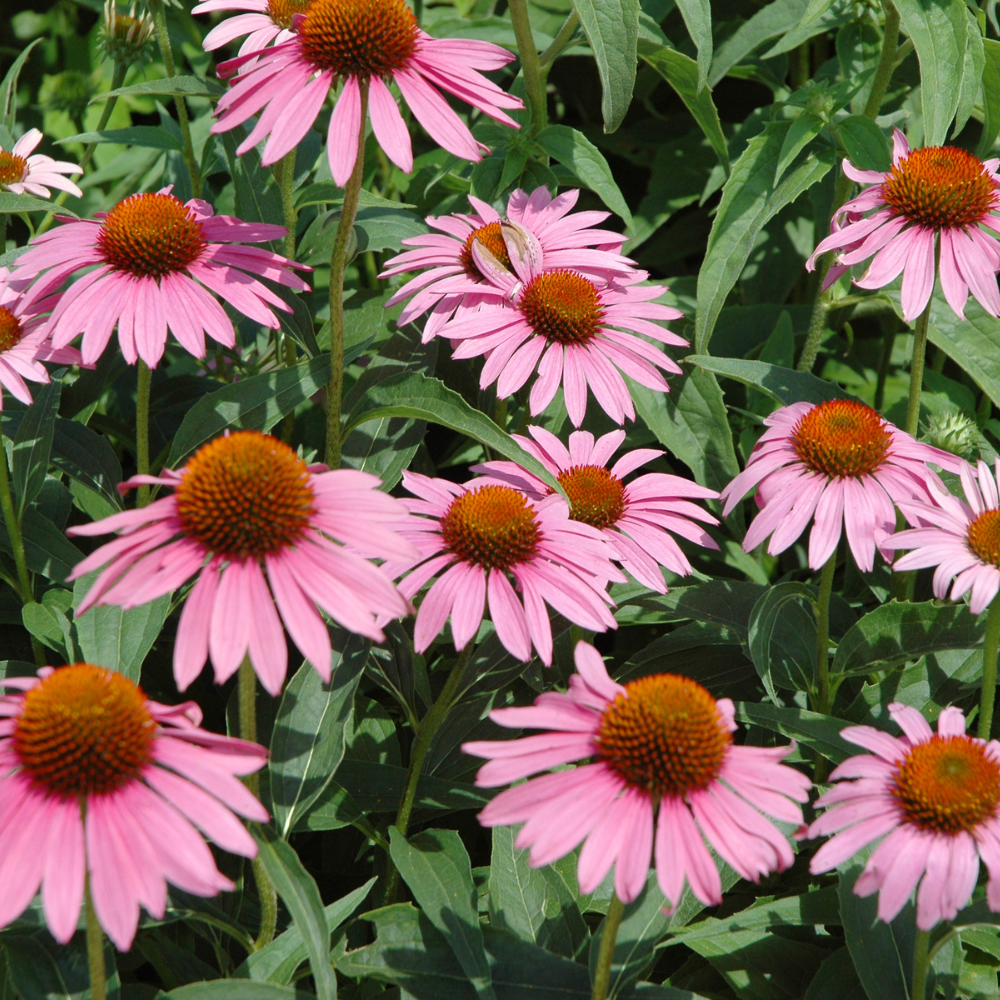
Echinacea purpurea, one of the best-known species of coneflower, is a robust and resilient plant that originally comes from North America. It contains a variety of valuable ingredients that support the immune system in a natural way. These include flavonoids, essential oils, and polysaccharides, which stimulate the growth and activity of white blood cells.
These white blood cells play a decisive role in defending against pathogens and help the body fight infections effectively. Through the regular administration of Echinacea, the number of these immune cells can be increased, which leads to a strengthened defense.
Echinacea can be particularly useful for horses in various situations:
-
To strengthen the immune system: Especially in the cold season or during stressful phases, the immune system can use support.
-
After vaccinations: The medicinal plant helps the body recover faster and respond optimally to vaccinations.
-
To support the respiratory tract: Horses that are sensitive to temperature changes or prone to infections can benefit from its use.
-
During stressful times: Transport, competitions, or changing stables can weaken the immune system – Echinacea helps to keep defenses stable.
Since Echinacea is a purely natural plant, it is well tolerated by most horses and represents a gentle alternative to synthetic preparations.
How can Echinacea be used for horses?
Echinacea is available as a single feed in various forms, so you can choose the variant that is right for your horse.
One of the most popular forms of administration is pellets. They are easy to dose, are readily eaten by most horses, and can be mixed into regular feed without any problems.
Alternatively, dried coneflower herb can be used. This is given as a topping over the feed or brewed into a tea that is offered to the horse. This form is particularly suitable for horses that like to consume fresh or dried herbs.
Liquid extracts are also available. They contain highly concentrated ingredients and can be mixed into feed in small amounts or given directly into the mouth. This variant is particularly practical if you want to achieve a targeted and rapid effect.
Dosage and recommended feeding
The correct dosage depends on several factors, including the weight, age, and general activity of your horse. Here are some general guidelines for feeding:
-
Dried herb or leaves: Mix 20–30 g daily into the feed
-
Pellets: 30–50 g daily (follow manufacturer instructions)
-
Liquid extracts: 10–20 ml per day
To achieve the best possible effect, it is recommended to feed Echinacea over a period of 4 to 8 weeks. After this time, a short break can be taken to avoid the body becoming accustomed to the active ingredients.
If your horse already has health problems or receives medication regularly, you should speak to your veterinarian before use.
What should you look out for when buying Echinacea products?
Not all Echinacea products are the same. To ensure your horse benefits from the best quality, you should pay attention to a few important aspects when buying:
-
High quality and purity: Products from controlled cultivation contain more valuable active ingredients.
-
Free from additives: Ensure that the product contains no artificial flavors, preservatives, or added sugars.
-
Positive reviews: Testimonials from other horse owners can provide you with guidance.
-
Suitable form of administration: Choose between pellets, dried herb, or liquid extracts, depending on what your horse accepts best.
-
Price-performance ratio: Compare different products to get the best quality at a fair price.
It is worth relying on high-quality raw materials, as inferior products contain fewer active ingredients and are therefore less effective.
When is the best time to feed Echinacea?
Echinacea can be a valuable support for your horse, especially in certain situations. After vaccinations or recovered illnesses, it helps to bring the immune system back into balance.
Feeding Echinacea can also be sensible in the colder months, when horses are increasingly susceptible to infections. During periods of increased strain – for example, during intensive training sessions, competitions, or stable changes – it can contribute to your horse remaining more resilient.
It is important to adapt the feeding individually to the horse and its needs to achieve the best possible effect.
Conclusion: Natural power for your horse's health
Echinacea is a valuable plant that can strengthen your horse's immune system in a natural way. It promotes the body's defenses, supports respiratory health, and helps the body to better protect itself against infections.
Whether as pellets, dried herb, or liquid extract – the choice of the right form depends on the individual preferences of your horse. High-quality processing and regular feeding are important for optimal results.
If you are looking for a natural way to support your horse's health, Echinacea is an excellent choice.