
Fennel for horses: The underestimated medicinal plant for health, digestion and respiratory system
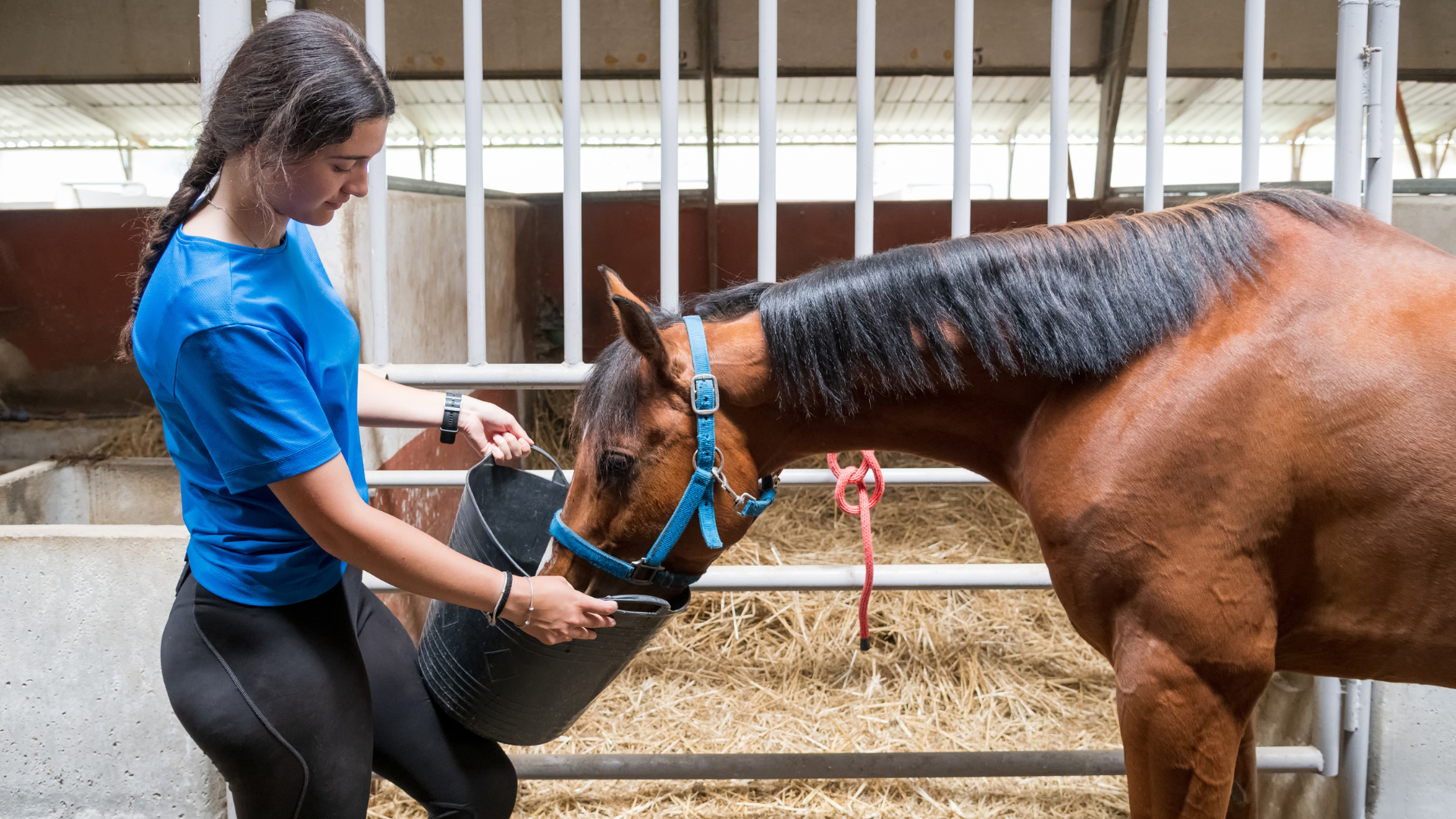
Did you know that fennel is not only popular in human cuisine or as tea, but can also be a valuable dietary supplement for your horse? Whether as fresh fennel, fennel seeds, powder, or tea – this versatile plant offers numerous benefits for equine health.
In this article, I will show you how you can effectively use fennel, what its effects are, and what you should keep in mind during application.
What actually is fennel?
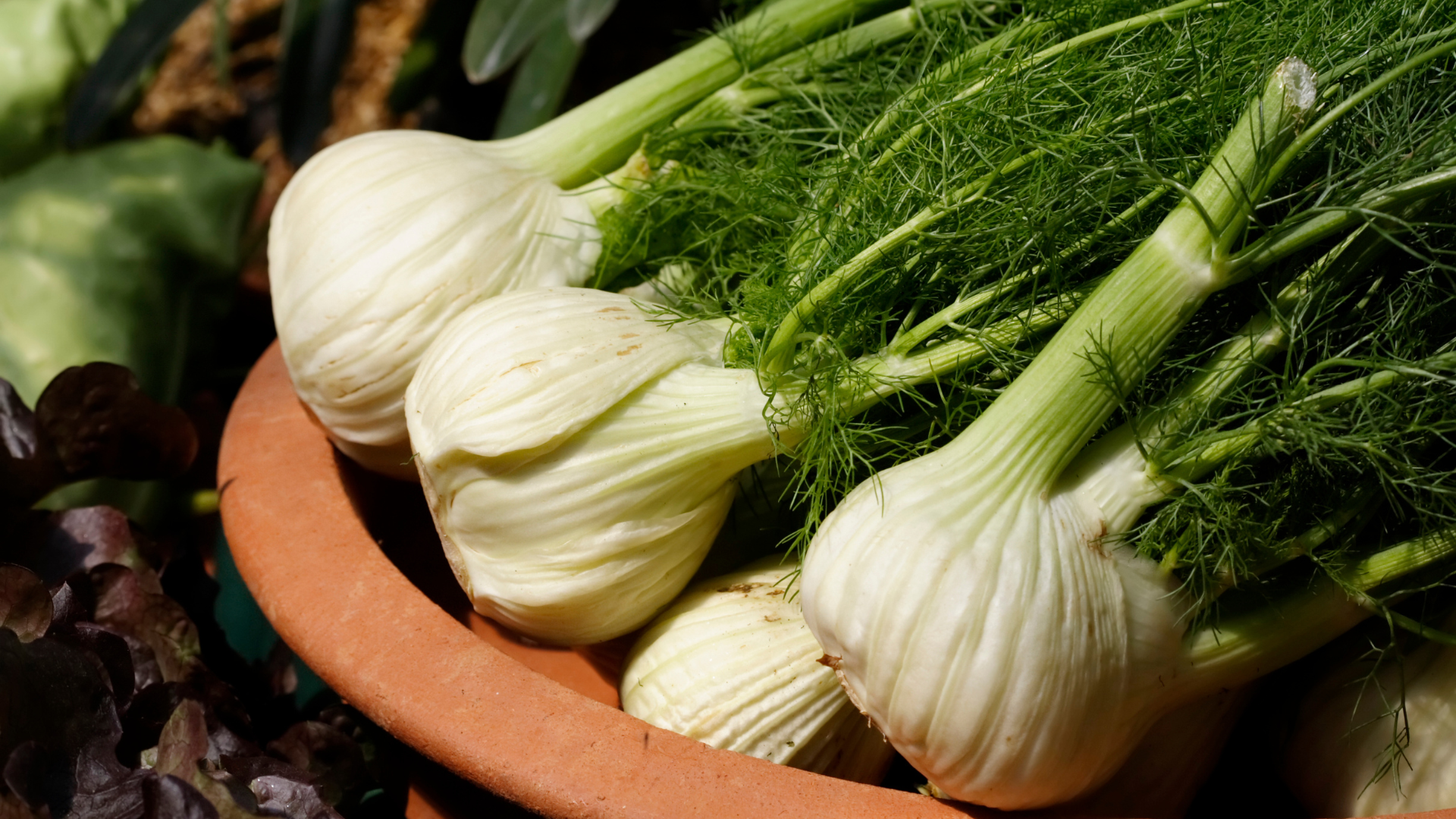
Fennel (Foeniculum vulgare) is an aromatic vegetable and also one of the oldest known medicinal plants. Originally from the Mediterranean region, it is now widespread worldwide – even in the wild. There are various forms: the sweet vegetable bulb, fennel seeds (also called fennel fruits), and fennel powder.
In cooking, fennel is particularly popular for its essential oils – especially anethole, fenchone, and estragole. These substances not only have a soothing effect on the gastrointestinal tract but also act as an expectorant for the respiratory system.
Why fennel belongs in horse feed
If you want to support your horse holistically, fennel offers a natural way to prevent or specifically alleviate ailments. Especially for digestive problems, coughing, bloating, or colds, fennel can be a real game changer.
Here are some properties that make fennel a valuable part of horse feeding:
-
Aids digestion in cases of colic, flatulence, and gastrointestinal complaints
-
Relieves the respiratory tract in cases of dry cough or mucus formation
-
Anti-inflammatory due to essential oils
-
Rich in vitamins: contains vitamin C, vitamin E, vitamin B1, vitamin B9, vitamin K, provitamin A, and even some vitamin B12
-
Supports the immune system with secondary plant compounds
How does fennel affect horses?
The effect of fennel on horses can be divided into three main areas:
1. Digestion and gastrointestinal tract
Fennel calms the muscles in the digestive tract, which is very helpful for gastrointestinal complaints such as colic or bloating. The essential oils contained in fennel stimulate digestion, relieve cramps, and promote the expulsion of gas. Fennel is a valuable additive, especially for sensitive horses or those prone to colic.
2. Respiratory tract
The expectorant effect of fennel is ideal for horses with coughs, colds, or other respiratory issues. The essential oils have an antibacterial and anti-inflammatory effect, which can support healing.
3. Nutrients and vitamins
Fennel is rich in vitamin C, which strengthens the immune system. Vitamin E protects cells from oxidative stress. B vitamins such as vitamin B1, B9 (folic acid), and B12 support the nerves, metabolism, and blood formation. Additionally, fennel provides provitamin A, which is important for skin, mucous membranes, and eyesight.
In what form can you feed fennel to your horse?
Fennel comes in various forms. Depending on the purpose and your horse's preferences, you can try different options:
Fresh fennel (bulb)
You can chop up fresh fennel and offer it as part of the wet feed or as a treat. It has a slightly sweet taste and is readily eaten by many horses. Ideal as a snack or for daily supplementation.
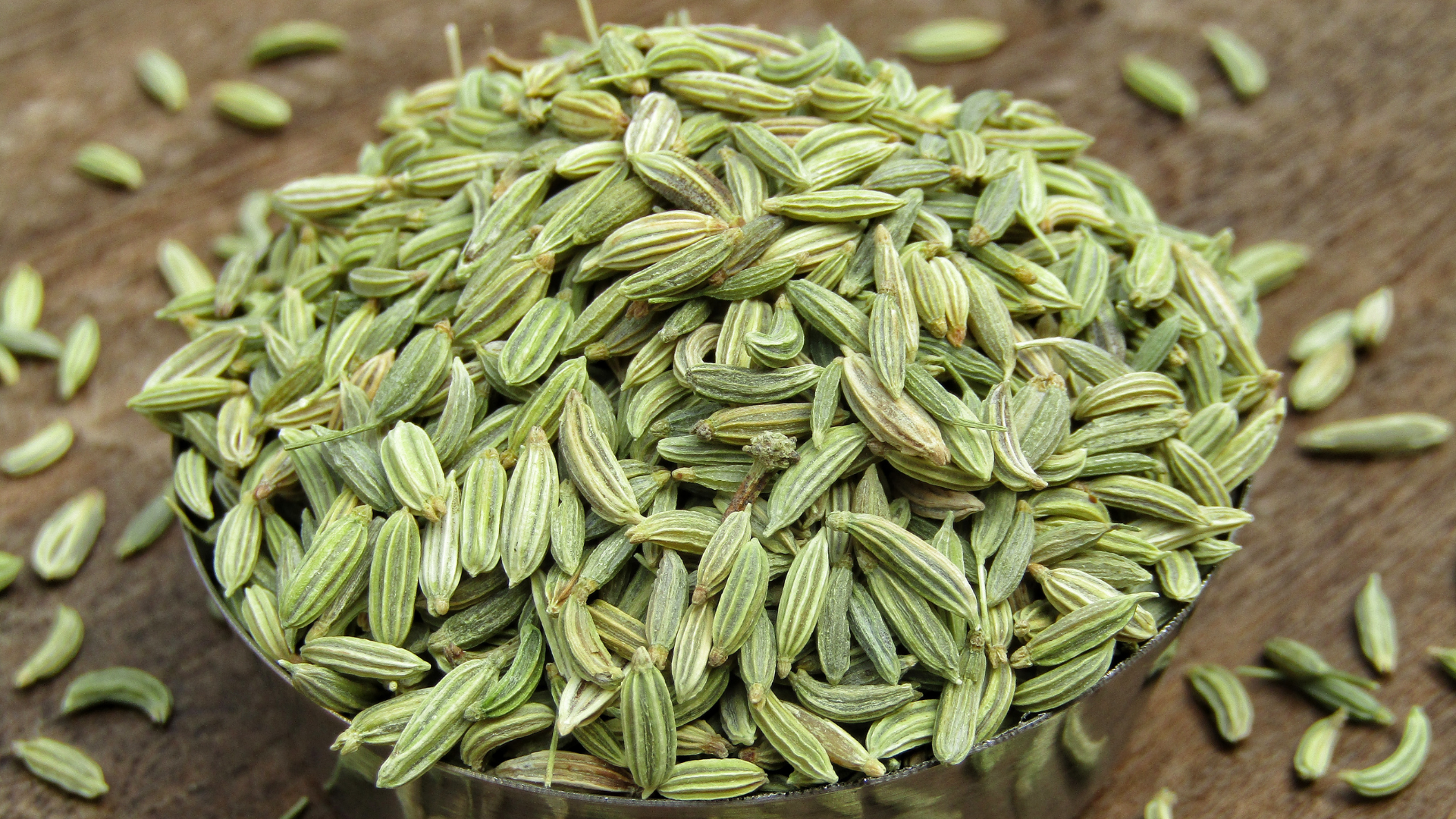
Fennel seeds / fennel fruits
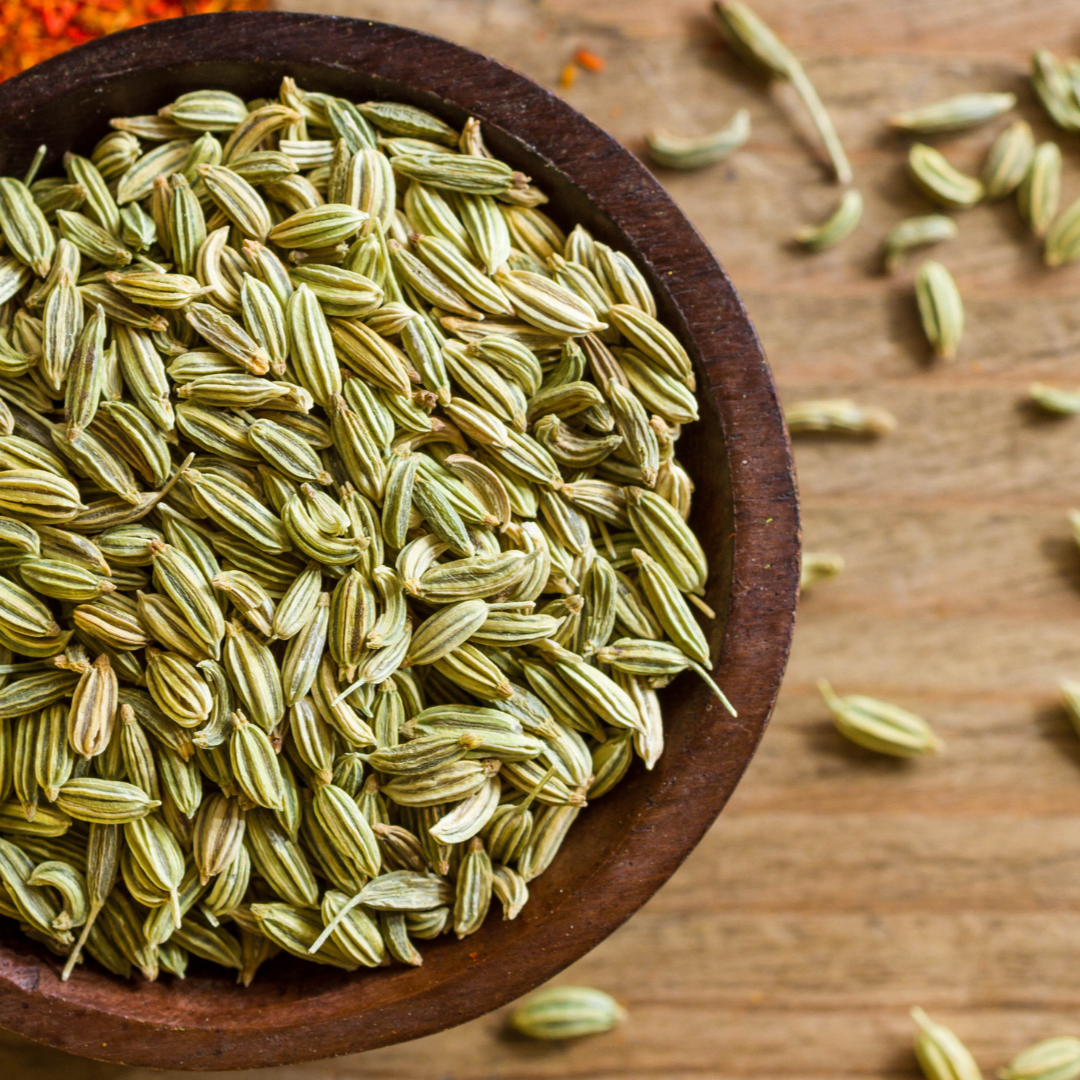
These contain the highest concentration of essential oils and are particularly effective for coughs or digestive problems. You can crush them or sprinkle them whole over the feed.
Fennel powder
Powdered fennel seeds are easy to dose and can be mixed well into horse feed – ideal for regular use.
Fennel tea
For acute ailments like a cough, you can prepare fennel tea and pour it over the feed or offer it directly. This is particularly soothing in colder temperatures.
Ready-made products with fennel
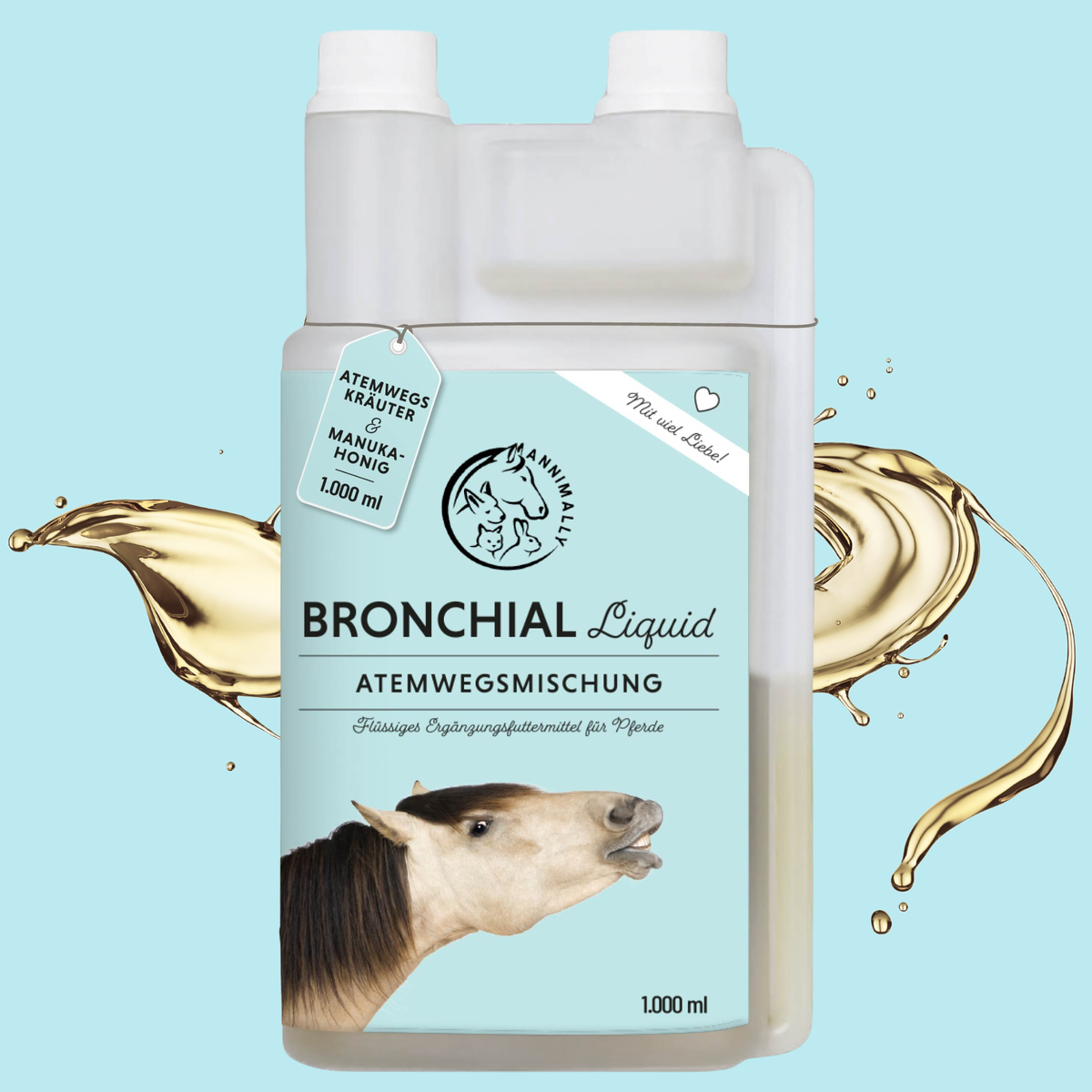
There are many products for horses on the market that contain fennel – from cough syrups to herbal blends and special supplementary feeds.
How do you dose fennel correctly?
The dosage depends on the form and the weight of your horse. Here is a rough guide:
-
Fresh fennel: 100–300 g per day
-
Fennel seeds/fruits: 10–30 g daily (preferably lightly crushed)
-
Fennel powder: according to manufacturer instructions or approx. 1–2 tbsp per day
-
Tea: add 1–2 cups daily over the feed
Important: Start slowly and observe how your horse reacts. If you are uncertain, you can also consult your animal health practitioner or veterinarian.
Caution with certain conditions
Although fennel is a gentle medicinal plant, it should not always be used without consultation. You should talk to a professional beforehand if your mare is pregnant or has chronic health conditions. An overdose can also lead to unwanted side effects – more is not always better.
Fennel in combination with other herbs
Fennel can be wonderfully combined with other medicinal plants – for example with:
-
Anise (against flatulence)
-
Thyme (for the respiratory tract)
-
Chamomile (for stomach complaints)
-
Nettle (for detoxification)
Such mixtures can also be found as ready-made supplements in specialist shops or you can put them together yourself.
Conclusion: Fennel – a natural support for your horse
Whether you want to improve your horse's digestion, support its respiratory tract, or simply strengthen its immune system – fennel for horses is a real all-rounder. The combination of valuable vitamins, essential oils, and healing properties makes it an excellent addition to the daily feed.
If you want to do something good for your horse, just try fennel – as a vegetable, spice, tea, or in the form of natural products. You will be surprised at how positively it affects their health!