The coat change in horses: A comprehensive guide to support
The coat change in horses is a demanding phase in their annual cycle and requires special attention in horse care. During this time, the horse changes either from its thick winter coat to a light summer coat or vice versa. For horse owners, this means additional grooming, an adjustment of the diet, and an understanding of the increased nutritional needs that the body has during this process. Thoughtful horse care is particularly important during the coat change to relieve the animal's metabolism and prevent skin problems.
The coat change is not just a visual transformation, but also a significant burden on the horse's metabolism. Below, we explain in detail what happens during the coat change, what challenges can arise, and how you can best support your horse with the right care.
The coat change in horses – A biological process
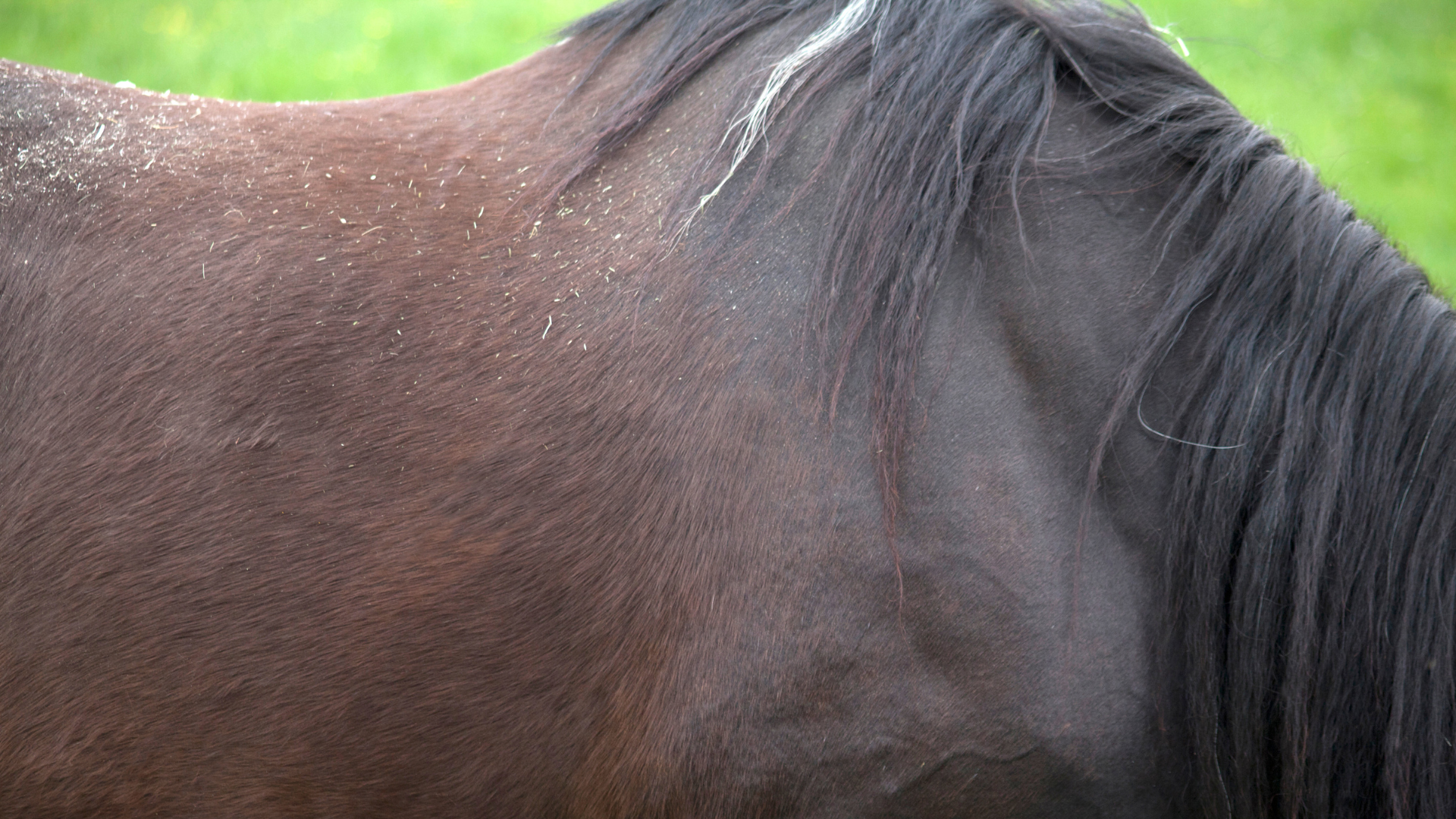
The coat change in horses is primarily controlled by the length of daylight hours. As the days grow longer in spring, the production of melatonin—a hormone produced in the pineal gland that influences hair cycles—decreases. As a result, the horse begins to shed its thick winter coat and develop thinner hair for the warmer months. This process is also observed in autumn, but in reverse: the shortening days stimulate the formation of a winter coat, which protects the horse from low temperatures during the cold season.
Coat cycles do not depend on temperatures, but are regulated by light. During the coat change, the horse's body has to work hard to shed old hair and form new hair. Especially in spring, when the thick winter coat is shed, this process requires a lot of energy and can last several weeks or even months. The transition from summer to winter coat in autumn is generally less strenuous, as fewer hairs are usually formed.
The metabolism and its significance during the coat change
The horse's metabolism plays a decisive role during the coat change. To form a new coat, the body requires many nutrients, especially proteins, vitamins, and trace elements. These substances are responsible for the production of keratin—the main component of hair, hooves, and skin. The high nutritional requirement during the coat change necessitates an adjusted diet that ensures all necessary nutrients are available to the horse in sufficient quantities.
Older horses or those with metabolic disorders, in particular, often have trouble managing the coat change smoothly. Inadequate nutritional intake can lead to a slow or incomplete coat change. The horse then often appears dull, the coat is lackluster and flaky, and skin problems can occur.
Why does the duration of the coat change vary among horses?
The duration of the coat change depends on various factors. Horses kept outdoors often develop a thicker coat in winter, which takes more time to be completely shed in spring. This longer duration is due to the fact that a denser winter coat requires more energy and time to be replaced by a lighter summer coat.
Furthermore, the breed plays an important role: robust breeds like Icelandic horses or Shetland ponies tend to have a denser winter coat and therefore need more time for the coat change.
The age and general health condition of the horse also influence the speed of this process. Young and healthy horses often go through the coat change faster and more easily than older animals or horses with health restrictions, for whom the duration of the coat change may be extended.
Nutritional requirements during the coat change – What does your horse need?
During the coat change, your horse's need for nutrients increases significantly. Especially proteins, which are required for the production of keratin, are essential now. A protein-rich diet ensures that the horse has enough building blocks available to create new hair. However, other nutrients also play an important role:
-
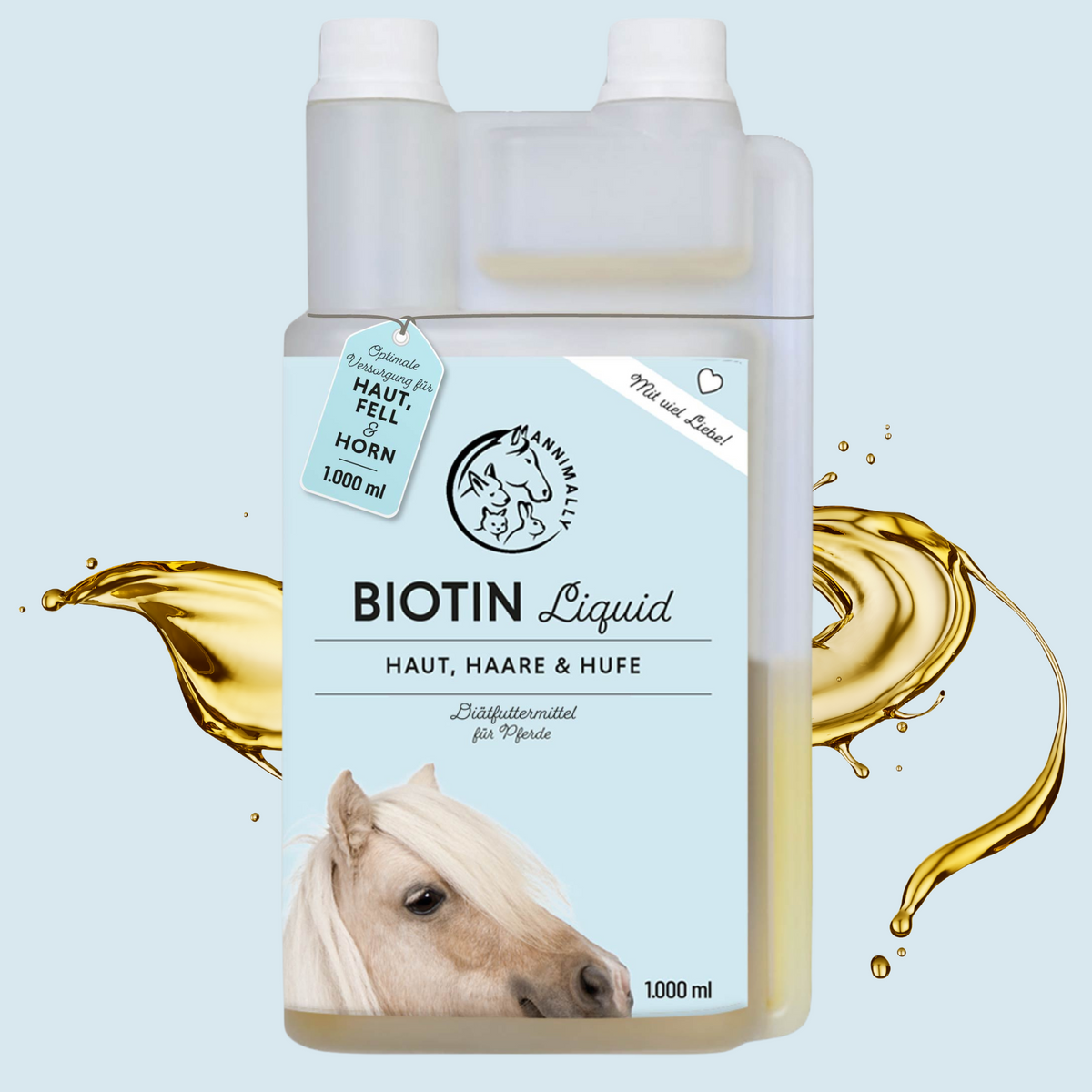
Biotin: Biotin is known for its positive effects on hair and hoof quality. It supports the production of keratin and thus promotes the healthy growth of coat and hooves during the coat change.
-
Zinc: Zinc is indispensable for skin metabolism and contributes to the regeneration of skin cells. A zinc deficiency can lead to skin problems and a delayed coat change.
-
Selenium: Selenium acts as an antioxidant and protects the horse's cells from damage by free radicals. It also supports the function of the immune system, which is particularly challenged during the coat change.
-
Copper: Copper is necessary for the formation of collagen and the pigmentation of the coat. A deficiency can lead to a dull, lackluster coat and skin problems.
Feeding during the coat change – How to optimally support your horse
During the coat change, you should adjust your horse's diet to meet the increased nutritional requirements. High-quality basic nutrition, consisting of sufficient roughage and, if necessary, concentrate feed, forms the foundation. Additionally, it may be useful to provide targeted supplementary feeds that are rich in biotin, zinc, copper, and essential amino acids.
Above all, Omega-3 fatty acids, which are contained in oils such as linseed oil or hemp oil, support the health of the skin and coat and have an anti-inflammatory effect. These fatty acids help keep the coat shiny and supple and promote general hair care.
However, be sure to tailor the diet individually to the needs of your horse, as each animal reacts differently to the additional nutrients.
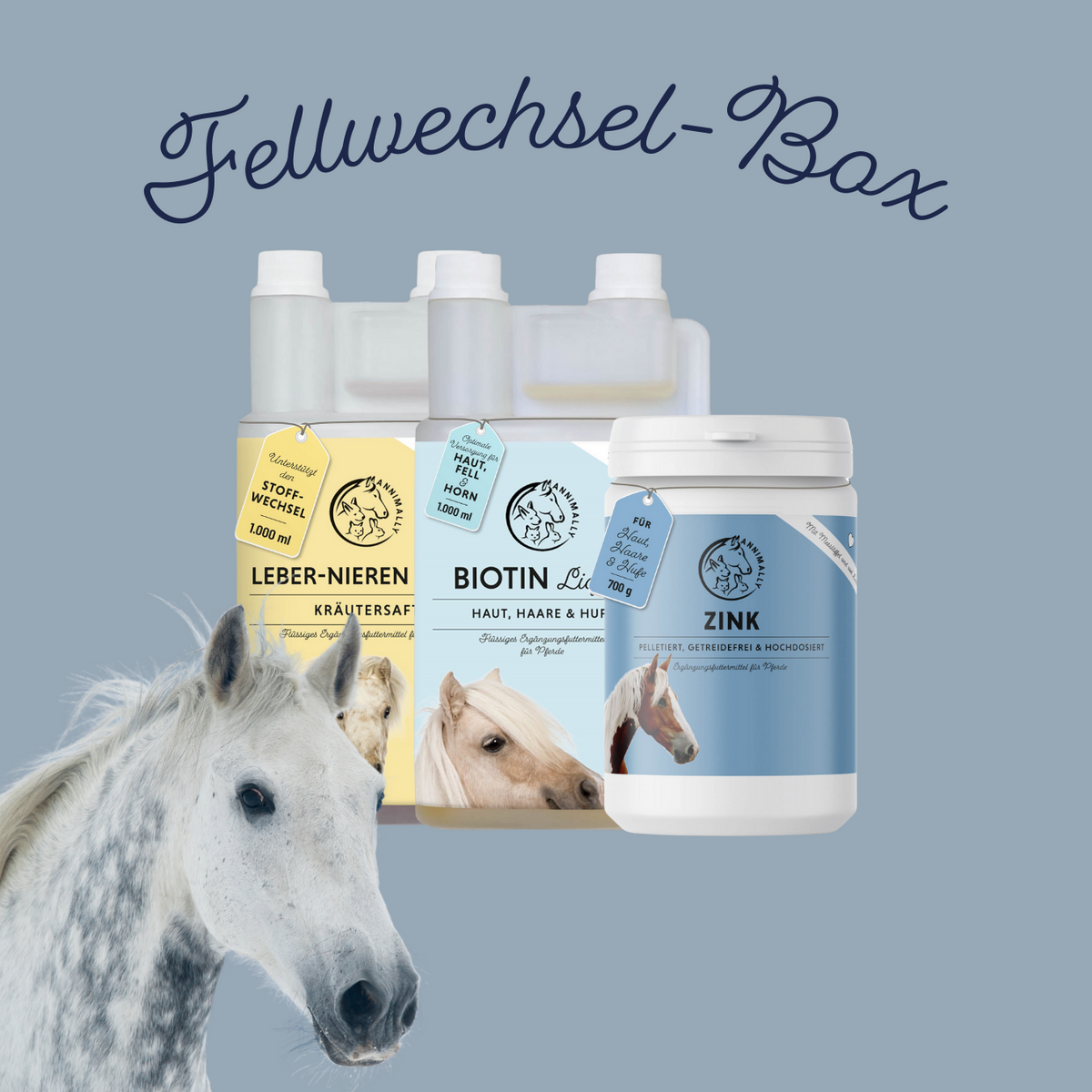
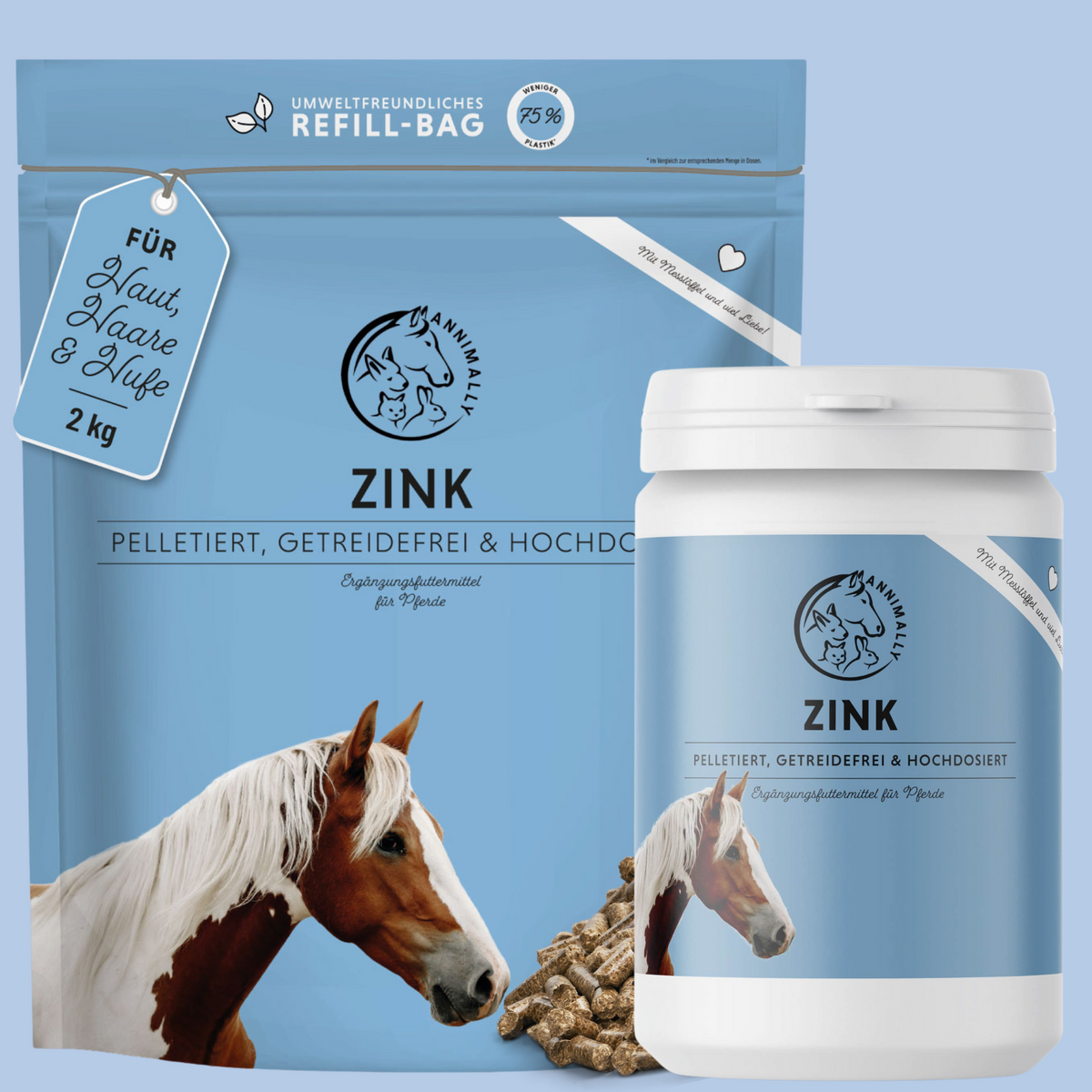
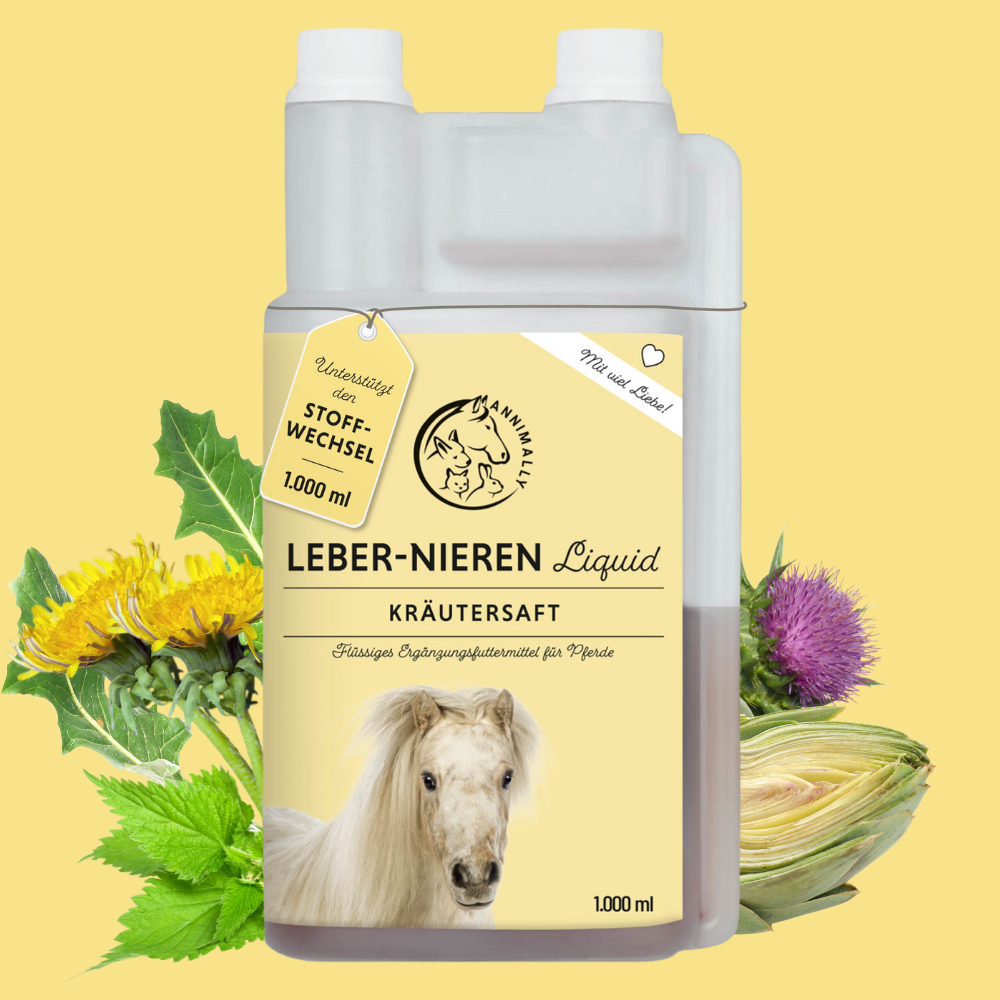
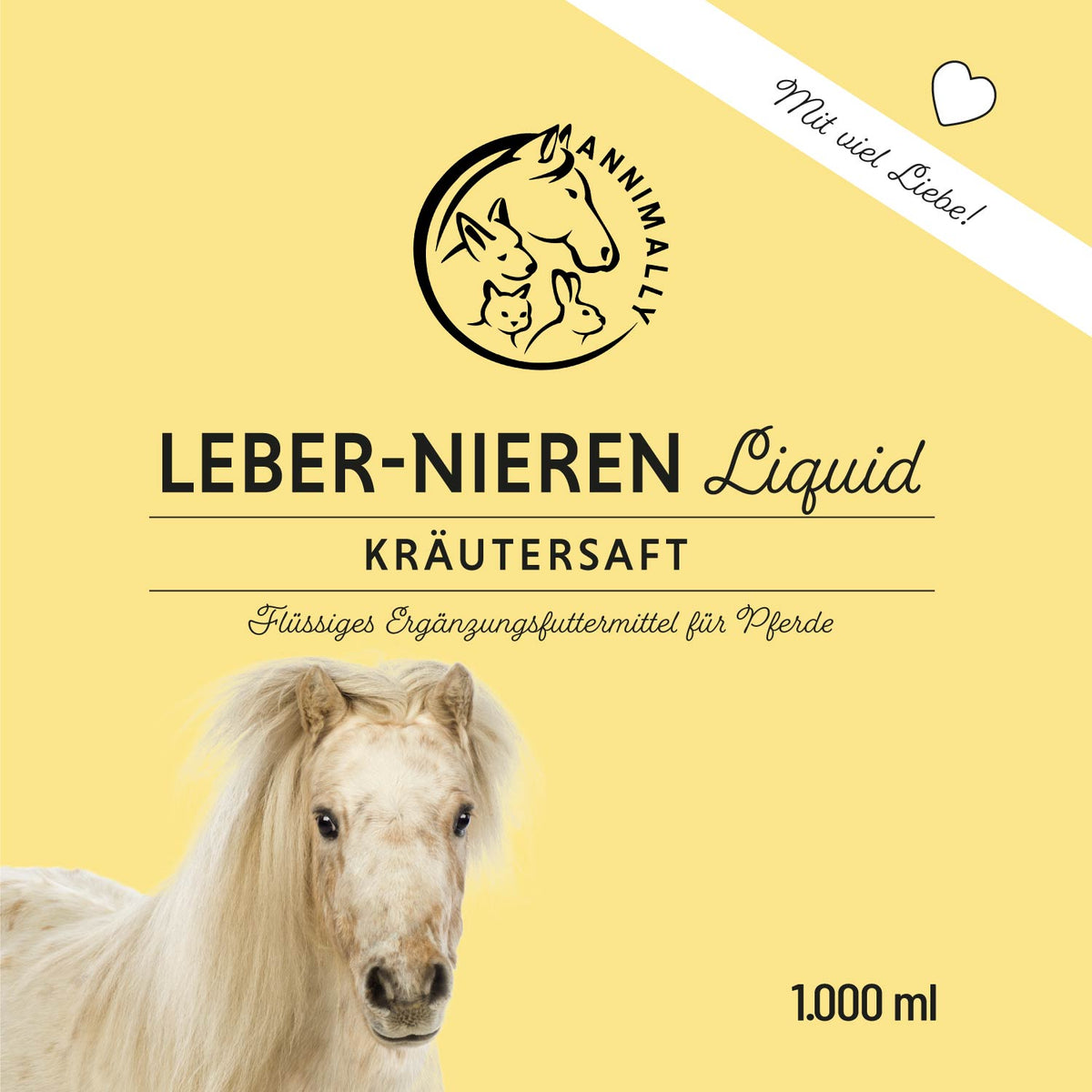
Are you already familiar with our Coat Change Box? Our Coat Change Box contains everything your horse particularly needs during the coat change to simplify this process. This includes our Zinc Pellets, our Biotin Liquid, and our Liver-Kidney Liquid.
Challenges and problems during the coat change
Some horses have greater difficulty managing the coat change without problems. Especially horses with metabolic diseases such as Equine Cushing's Syndrome (ECS) often have a delayed or incomplete coat change. These horses often retain their winter coat and develop long, shaggy hair that does not shed naturally.
Another common problem is skin irritation that can occur during the coat change. Dandruff, itching, and bald patches are signs that the coat change is not progressing optimally and that there may be a nutrient deficiency or a skin disease.
Coat care during the coat change – Tips and tricks
Good hair care is essential during the coat change. Regular brushing helps to remove loose hair and stimulate blood circulation in the skin, which supports the coat change. Use brushes with different levels of hardness to thoroughly clean the coat and use massage brushes to stimulate circulation. Special shampoos can also be helpful, especially for horses prone to dandruff or skin problems.
Daily brushing ensures that dead hair is removed quickly and effectively, which stimulates skin metabolism and accelerates the coat change. Furthermore, hair care strengthens the bond between you and your horse and ensures that you can identify skin changes at an early stage.
Special support for older horses
Older horses often have a slower metabolism, which makes the coat change more difficult. These animals benefit particularly from a targeted diet that is adapted to their increased nutritional needs. High-quality nutritional supplements with biotin, zinc, selenium, and Omega-3 fatty acids can help older horses better cope with the coat change. Also, pay attention to intensive coat care to avoid skin problems.
When is a vet visit necessary?
If your horse has difficulty with the coat change over a long period or shows signs such as severe itching, bald patches, dandruff, or unexplained weight loss, you should consult a veterinarian. There may be an underlying metabolic disease or nutrient deficiency that needs to be treated.
The veterinarian can perform a blood test to determine which nutrients may be missing and recommend a targeted treatment.
Conclusion on the coat change in horses
The coat change in horses is a challenging phase that requires a lot of care and attention to ensure the animal's well-being. During this time, the horse's nutritional needs are increased because the body requires energy and essential nutrients to shed the old coat and form new hair. A balanced diet rich in vitamins, minerals, and proteins is therefore essential. Nutritional supplements with biotin, zinc, and high-quality proteins can additionally support the coat change and help promote the health of the skin and coat.
In addition to nutrition, regular hair care also plays an important role. Daily brushing removes loose hair, promotes blood circulation in the skin, and stimulates the metabolism. This facilitates the coat change and reduces the risk of skin irritation or other problems.
It is important to always look out for signs of difficulty, such as a delayed coat change, dull coat, or skin problems. If you react early and take targeted measures, you can help your horse make this strenuous phase as pleasant as possible.