
A cold in your dog – when your four-legged friend suffers during cold season
When the days grow shorter, the air gets colder, and moisture and temperature changes define everyday life, a sensitive period begins for many dogs – because our four-legged friends' airways are particularly challenged during the cold seasons. While humans protect themselves with scarves and jackets, our dogs are often defenseless against wind, rain, and cold. It is precisely during this season that colds become more frequent – not only in humans but also in animals. A cold in a dog is not a rarity and can really take a toll on your pet. Coughing, a runny nose, sneezing, fatigue, or loss of appetite are typical signs that worry many dog owners.
In this article, you will learn how to recognize a cold in a dog, which symptoms are typical, what causes lie behind them, what treatment looks like, and when a visit to the veterinarian is important. You will also get many loving tips on how to support your four-legged friend during their recovery.
What is understood by a cold in a dog?
A cold in a dog is often referred to as a canine cold or canine rhinitis. It usually refers to infections of the airways triggered by viruses or bacteria. These illnesses are similar in many respects to colds in humans, but they are not identical. Important to know: The risk of transmission of cold viruses between humans and dogs is very low.
It mainly affects the respiratory system: the nose, throat, trachea, and in some cases, the bronchi. Depending on the pathogen and the dog's immune system, the course can be mild or significantly more burdensome.
Especially during the cold season, dogs are more susceptible because cold, wet conditions, and dry heating air irritate the mucous membranes and make it easier for pathogens to penetrate.
Recognizing a cold in a dog – typical symptoms and signs

Dog owners often recognize a cold in their dog by the change in their pet's behavior. Some symptoms are very clear, others rather subtle. Always pay attention to your dog's expression, breathing, and general state of well-being.
Typical cold symptoms in a dog are:
Coughing and kennel cough: Coughing is one of the most common signs. It can sound dry, barking, or wet. It is especially noticeable when getting up or after exercise.
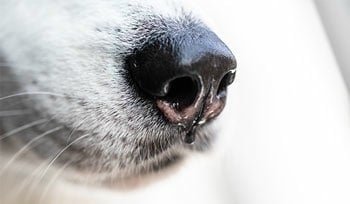
Runny nose and nasal discharge: A runny nose is one of the classic symptoms. The nasal discharge can be clear, slimy, or yellowish. Frequent sneezing also indicates irritation of the nose.
Eye discharge: Watery eyes or a slight eye discharge often occur concomitantly. The eyes appear tired, sometimes reddened.
Fever and increased body temperature: A dog's normal body temperature is between approximately 37 and 39 degrees Celsius. With a cold, a fever above 39 degrees may occur. Fever is an important warning signal and should be taken seriously.
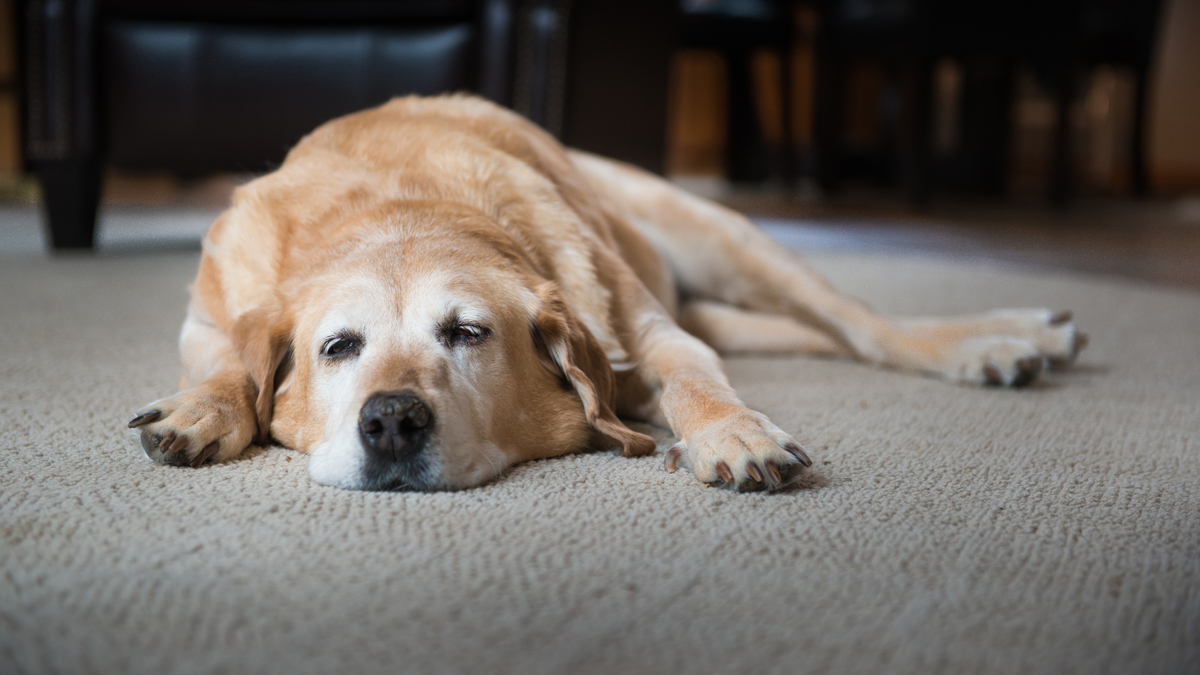
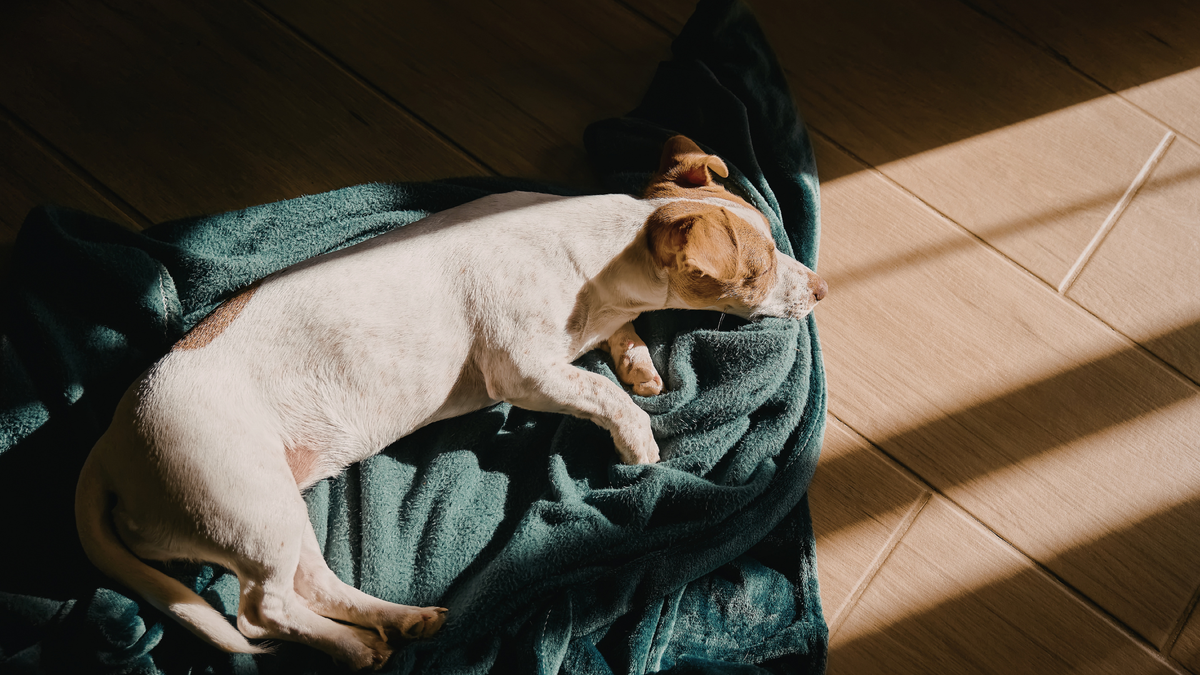
Fatigue and withdrawal: Many dogs are unusually quiet, sleep more, and show little interest in walks or play.
Loss of appetite and changed drinking behavior: A dog with a cold often eats less well. Some animals drink more, others less. Make sure your pet is getting enough water.
Breathing difficulties and changed breathing pattern: In more severe respiratory infections, breathing can become faster or shallower, potentially leading to severe shortness of breath. The number of breaths per minute can increase; sometimes a rattling noise is heard.
Sore throat and hoarseness: Some dogs appear hoarse, swallow more frequently, or avoid hard food because their throat is sore.
Vomiting and stomach upset: In rare cases, a cold can be accompanied by vomiting or a sensitive stomach, especially if mucus is swallowed.
Not every dog shows all the symptoms. Sometimes there are only individual signs that indicate your dog has a cold.
Causes and root causes of a canine cold

The causes of a cold in a dog are varied, even though the most frequent triggers are viruses and bacteria. Often several factors come together.
-
Cold and wet: Long walks in the rain, wet fur, or cold floors can cause the body to cool down. Smaller dogs or animals with little undercoat are particularly susceptible.
-
Drafts and cold air: Open windows, cold air in the car, or drafts indoors irritate the airways and mucous membranes.
-
Viruses and bacteria: The most common pathogens are viruses, sometimes also bacteria. They enter the body through inhaled air or direct contact with other dogs.
-
Weakened immune system: Puppies, older dogs, or animals with pre-existing conditions have a higher risk because their immune system is less resilient.
-
Stress and exhaustion: Stress, long transport times, or changes in everyday life can lower the body's defenses.
-
Season and cold weather: Autumn and winter are considered the classic cold season, as temperature changes and damp air favor pathogens.
Cold or something else? - Differentiation from other diseases
Not every cough or runny nose is automatically a harmless cold. Other diseases of the respiratory system can also show similar symptoms.
These include, among others:
-
Respiratory infections such as kennel cough
-
Allergies
-
Inflammations of the lungs or bronchi
-
Foreign bodies in the nose or throat
-
Chronic diseases of the respiratory system
Especially allergies to pollen, house dust, or mold, as well as irritant gases like cigarette smoke, scented candles, or aggressive cleaning agents, can strongly irritate the mucous membranes of the nose, throat, and airways. This leads to symptoms such as sneezing, coughing, or nasal discharge that are very similar to a dog's cold. At the same time, irritated airways can become more susceptible to infections by viruses or bacteria.
If your dog shows severe breathing difficulties, high fever, persistent loss of appetite, or a significantly worsened condition, you should always consult a veterinarian.
Treatment options for a cold in a dog
The treatment of a canine cold depends on the severity. In many cases, supportive care at home is sufficient. Nevertheless, the rule is: When in doubt, better to visit the vet once too often.
Rest and recuperation: Rest is the most important thing. Avoid long walks and strenuous activities. A dog with cold symptoms needs enough rest and sleep to recover.
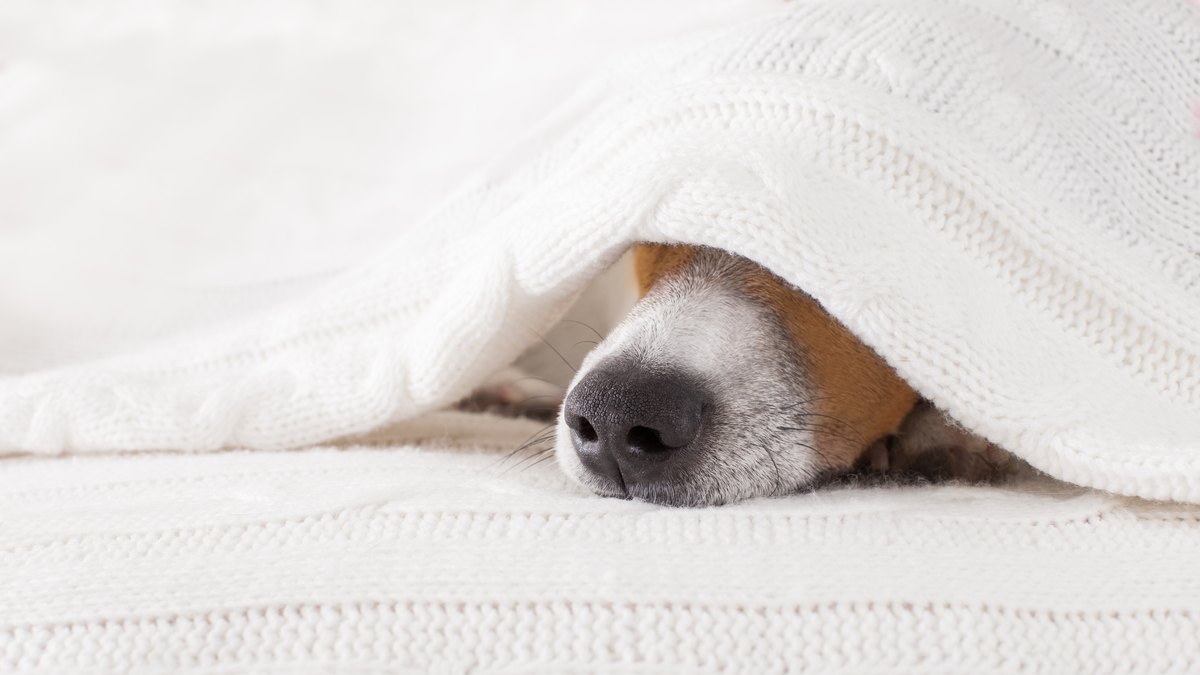
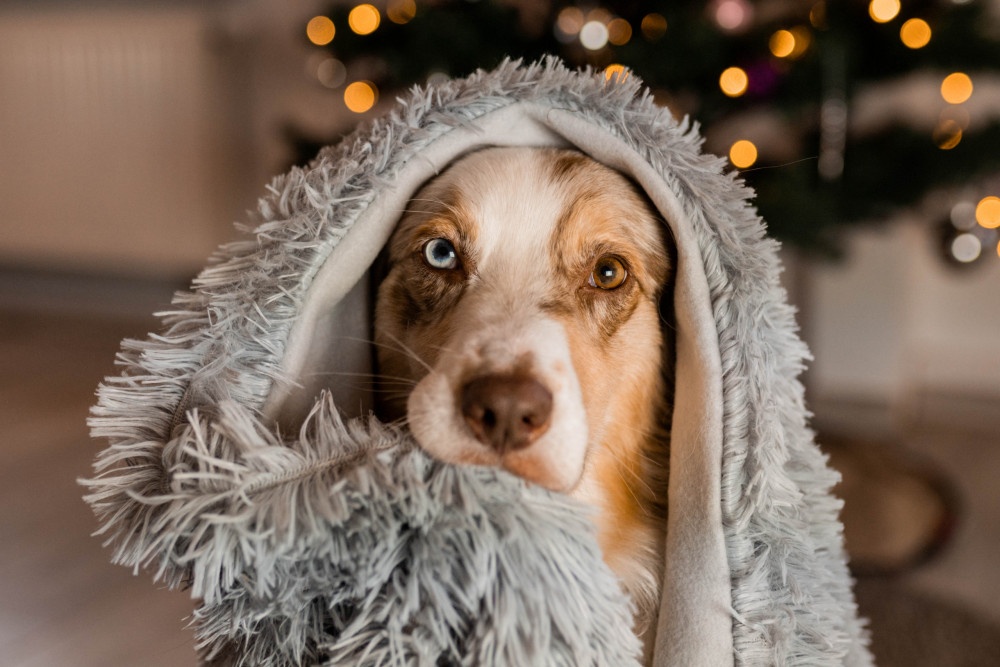
Warmth and comfort: A warm place to lie down without drafts helps the body regenerate. A light blanket can be pleasant, especially for short-haired dogs.
Drink enough: Fresh water should always be available. Fluids support the mucous membranes and the removal of pathogens.
Adjusted diet: Easily digestible food can help with loss of appetite. Some dogs prefer warmed food because it smells more intense.
Use a humidifier: Dry heating air irritates the airways. A humidifier can help to keep the mucous membranes moist and make breathing easier.
Home remedies for dogs – with caution: Some home remedies can have a supportive effect; for example, gentle inhalation can alleviate the symptoms of a cold in a dog and relieve the airways. It is important not to use any human medication without consultation.
When is a visit to the veterinarian necessary?
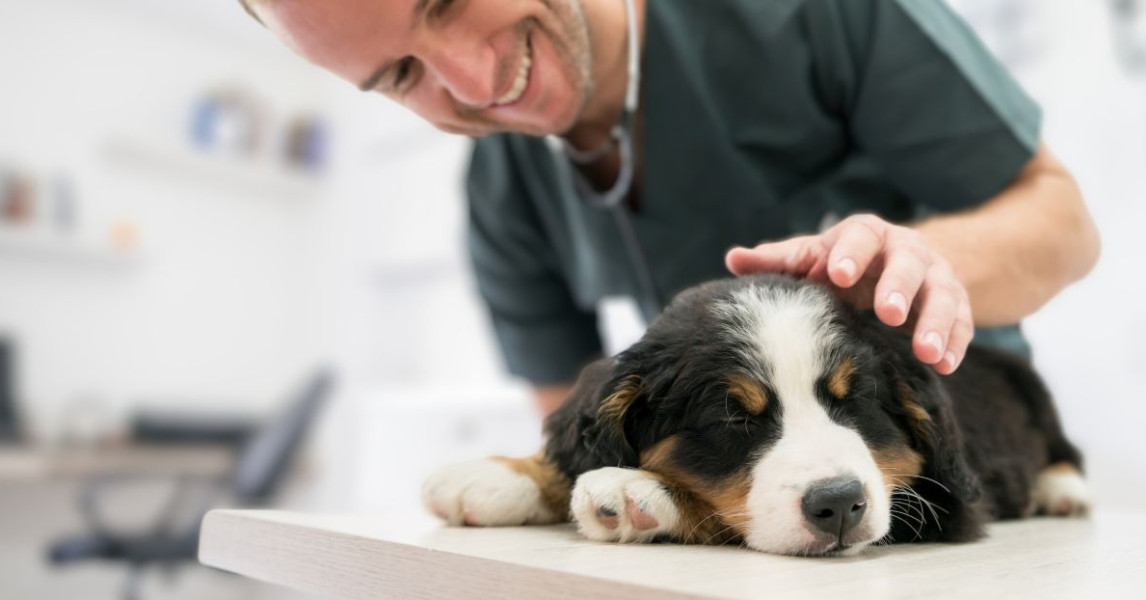
A visit to the veterinarian is advisable if:
-
the fever persists for longer than one to two days.
-
the cough sounds very strong or painful.
-
shortness of breath or breathing difficulties occur.
-
the nasal discharge is purulent or bloody.
-
your dog appears very apathetic.
-
puppies, old dogs, or chronically ill patients are affected.
The veterinarian can clarify whether it is a simple cold or a more serious infection. In some cases, medication is necessary, for example, in the case of bacterial infections.
Veterinarian costs and pet health insurance
Many dog owners also worry about vet costs when their pet is sick. Depending on the examination, diagnostics, and treatment, these can vary. Dog health insurance can help reduce financial worries and allow you to act quickly in an emergency.
Recovery and course – how long does a cold last for a four-legged friend?
An uncomplicated cold usually heals within one to two weeks. It is important that your dog gets enough rest and is not burdened too soon. Even if the symptoms subside, rest should be continued for a few more days.
If you support your dog lovingly, the chances are good that they will soon be jumping through the air full of energy again.
Prevention tips – how to protect your dog in autumn and winter
Even if not every infection can be avoided, you can do a lot to minimize the risk:
-
Dry your dog well after walks in the rain to prevent a cold.
-
Avoid drafts and cold sleeping areas. Here the rule is: warmth is the best protection.
-
Adapt the walks with your four-legged friend to the season.
-
Ensure a balanced diet and regular exercise in the fresh air.
-
Strengthen the immune system through a stable daily routine.
-
Observe your dog attentively.
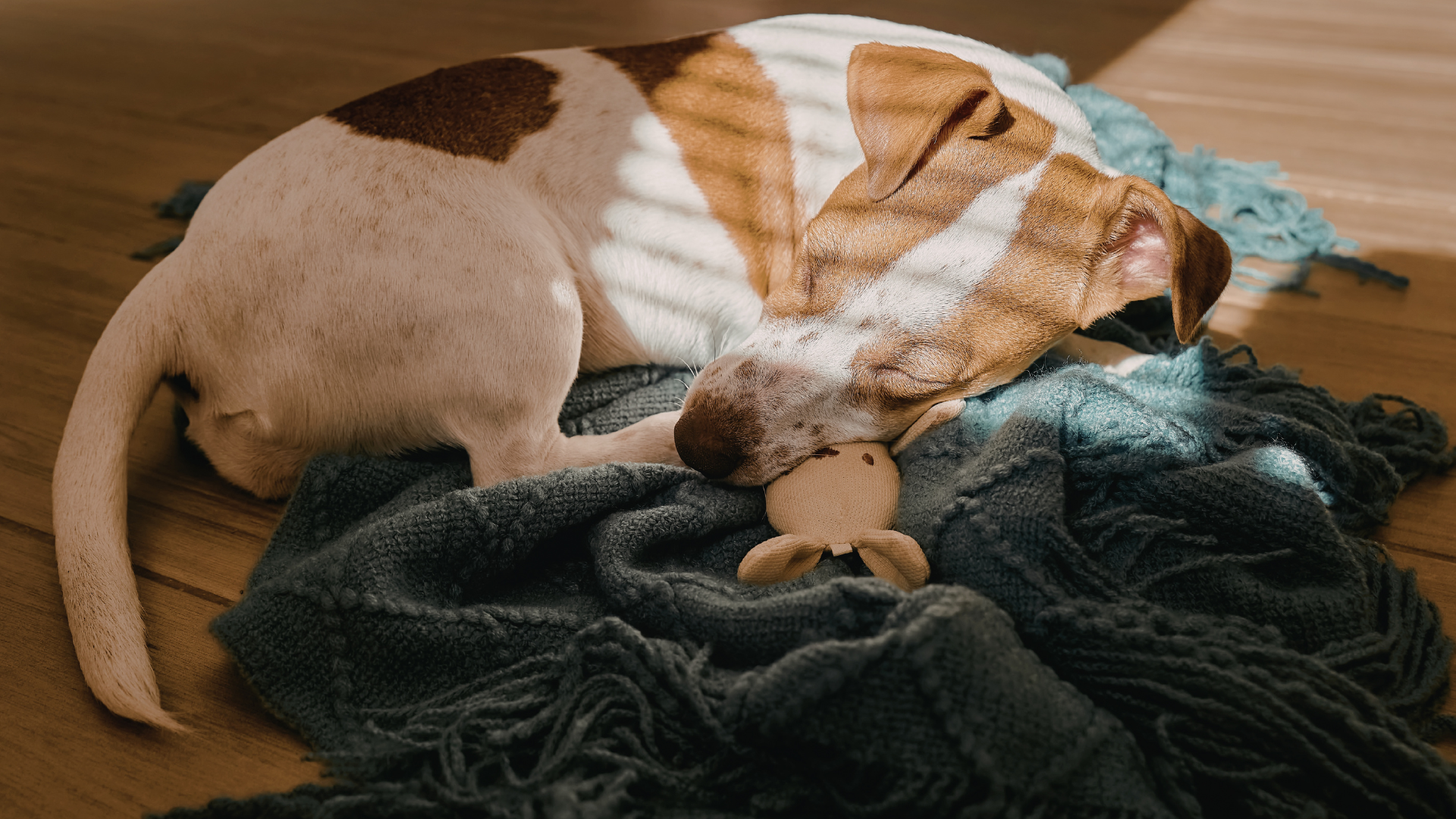
Conclusion: Getting through the cold seasons well with attention and care
A cold is not life-threatening for dogs, but if left untreated, it can lead to serious respiratory diseases. It is important to recognize the symptoms early, remain calm, and support your four-legged friend lovingly. Your observation, your care, and timely action often make the decisive difference.
This article is intended to give you confidence and help you accompany your pet through autumn and winter in good health. Because nothing is better than a happy, healthy dog by your side.