
Mycotoxins in dog food – hidden danger in the bowl?
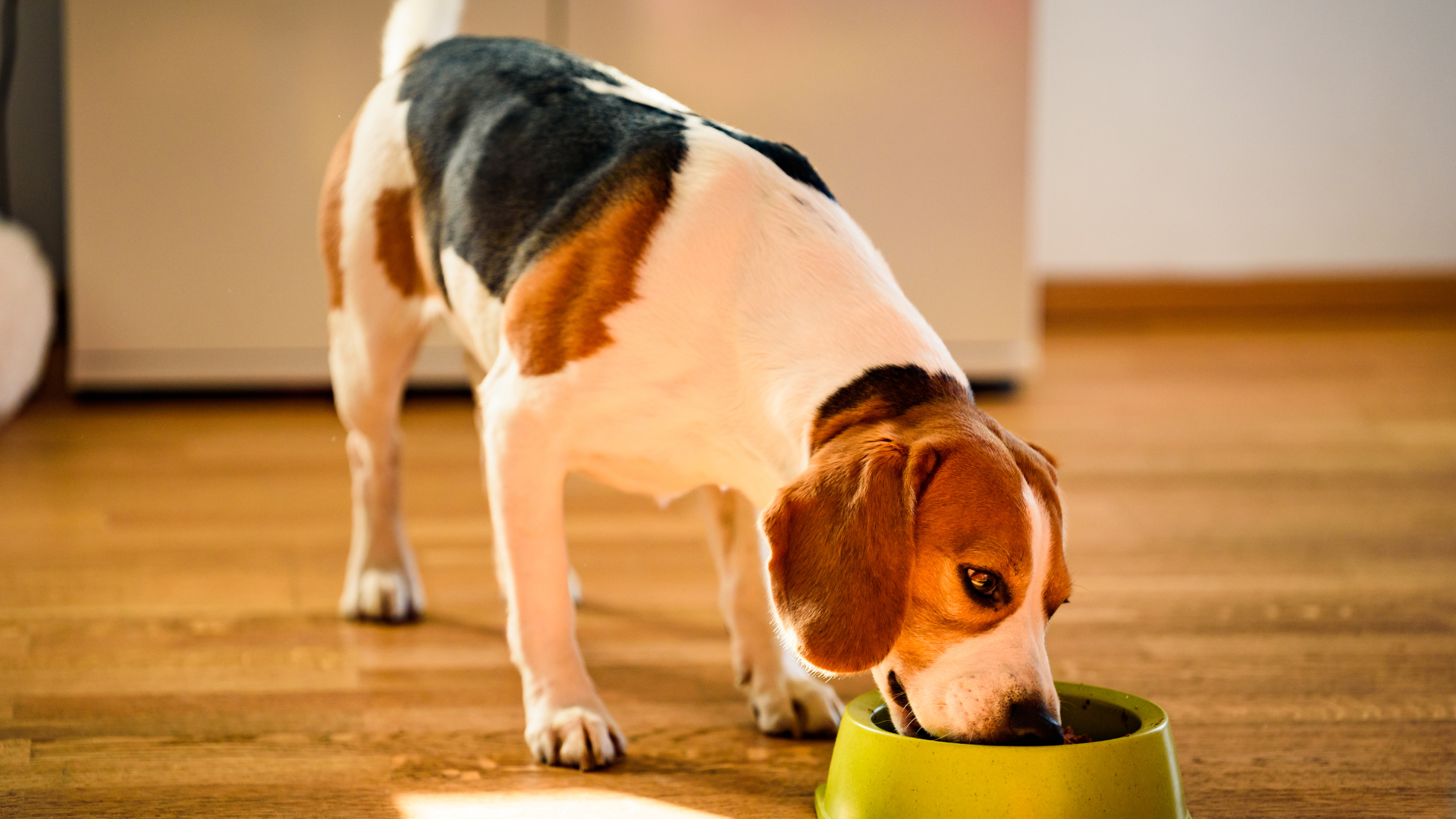
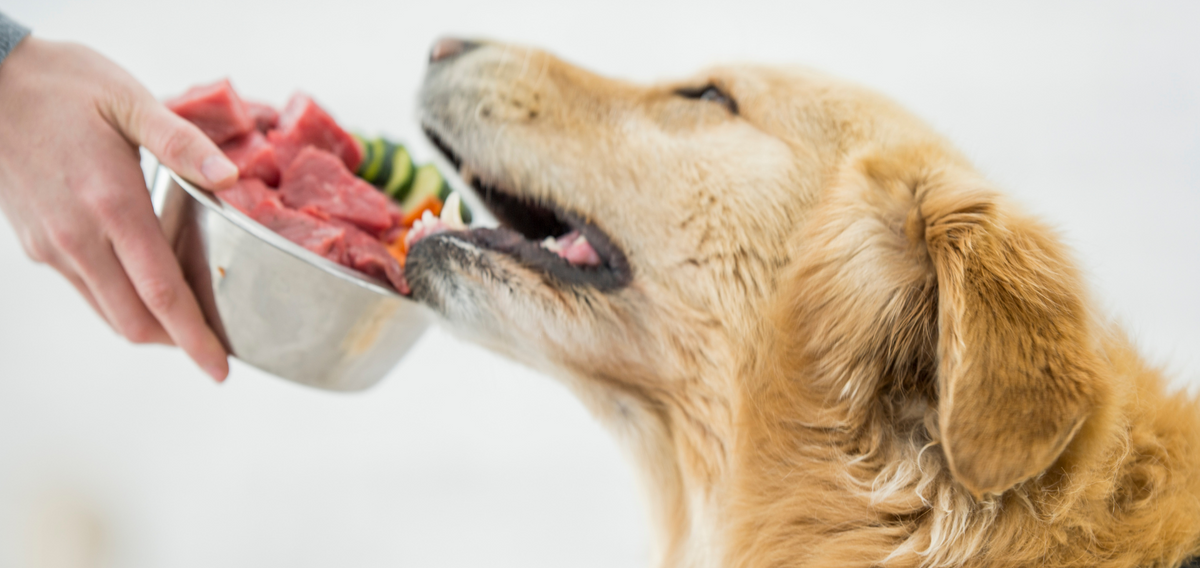
Dog food should provide our four-legged friends with everything they need for a long and healthy life. Yet sometimes, invisible dangers lurk in the bowl: mycotoxins. These harmful metabolic byproducts of mold can burden not only humans but also animals such as dogs and horses—often with dramatic consequences.
In this article, you will learn what mycotoxins are, what types exist, why they pose a danger, and how you can protect your dog from poisoning.
What are mycotoxins?
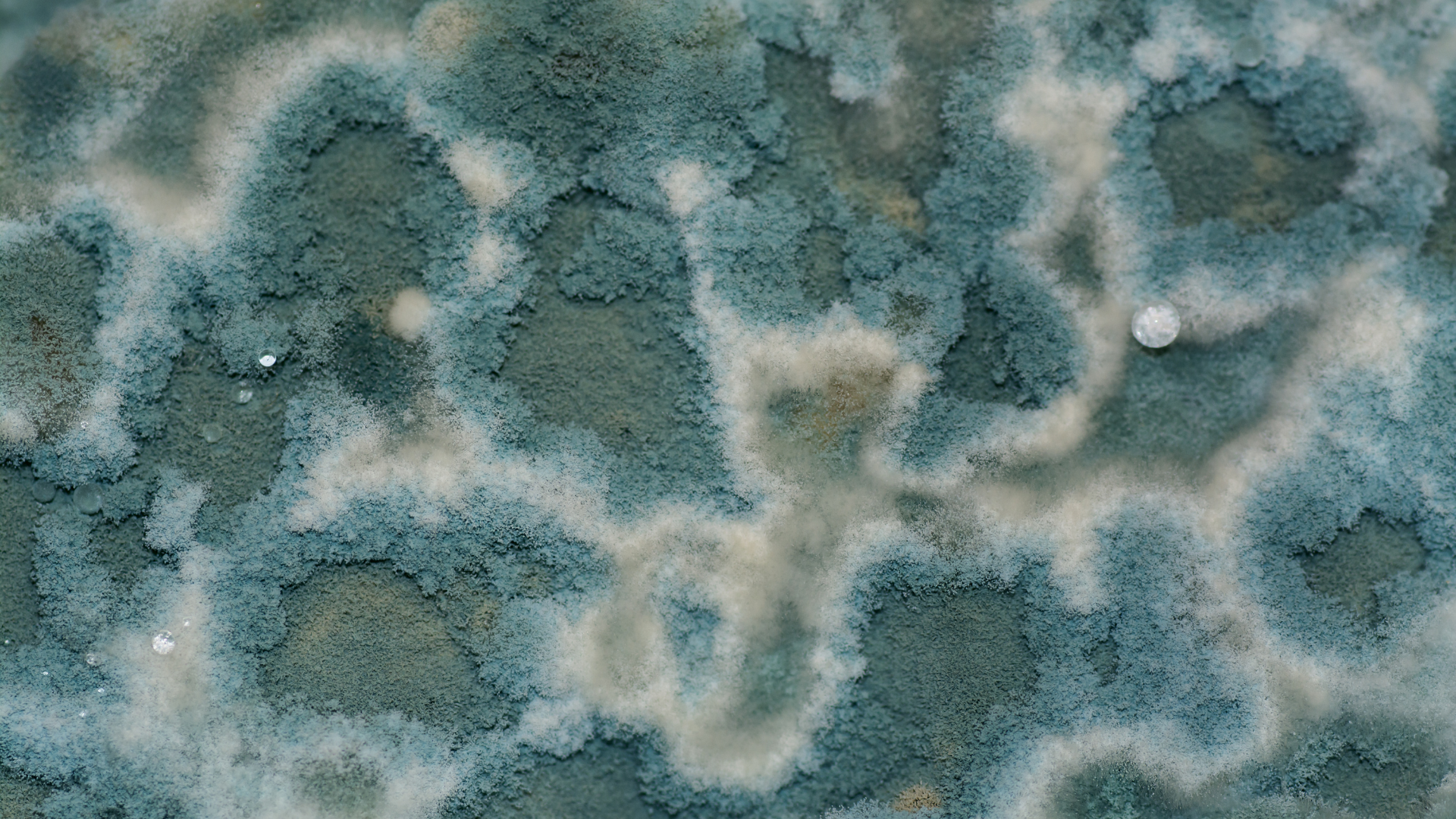
Mycotoxins are toxic metabolic byproducts produced by certain types of mold. These substances frequently develop in food, animal feed, and plant-based raw materials such as corn, grains, nuts, or hay. Compost or infested plants can also contain mycotoxins.
Particularly problematic: even small amounts can be harmful to the health of animals and living organisms. The effect depends on the type of toxin, the amount ingested, and individual sensitivity.
Mycotoxins and dogs
For your beloved pet, mycotoxins represent a serious risk. If they are ingested via feed or food, they can burden the stomach contents and cause severe damage to the body. The liver, kidneys, nervous system, and immune system are particularly affected.
Symptoms such as weakness, ataxia (coordination disorders), hyperesthesia (hypersensitivity to stimuli), vomiting, or even seizures can be initial signs of poisoning. In severe cases, death may occur.
Important mycotoxins and their effects
There are numerous types of mycotoxins that can occur in animal feed. The most well-known and dangerous ones for your four-legged friend are:
Aflatoxins
-
Produced by certain molds on corn, grains, or nuts.
-
Have a strong hepatotoxic effect and can affect genetic material.
-
Even small amounts lead to severe impairments.
Ochratoxin A
-
Acts particularly on the kidneys and the liver.
-
Can weaken the immune system.
-
Occurs in grains, animal feed, or hay, among other things.
Fumonisins
-
Produced by molds on corn.
-
Are toxic to the liver, kidneys, and nervous system.
Roquefortine C
-
Originates from Penicillium crustosum and is also known as a substance found in blue cheese.
-
Can trigger poisoning in dogs with neurological symptoms such as ataxia, coordination disorders, and weakness.
-
Toxicological studies show that roquefortine can cross the blood-brain barrier and directly influence the nervous system.
Penitrem A
-
Also a mycotoxin produced by Penicillium species.
-
Leads to tremors, restlessness, hyperesthesia, and coordination disorders.
-
Often observed in connection with spoiled food or waste such as compost.
Symptoms of mycotoxin poisoning in dogs
The effects of mycotoxin poisoning are diverse. Common symptoms include:
-
Sudden weakness and lethargy
-
Vomiting and diarrhea
-
Ataxia (unsteady gait, coordination disorders)
-
Tremors, seizures, hyperesthesia
-
Impairments of the nervous system, potentially leading to epileptic seizures
-
Loss of appetite
-
Damage to the liver and kidneys
-
In the worst case, death
Not all symptoms appear immediately—sometimes they develop over the course of several days.
Mycotoxins in other animals
Not only dogs, but horses and other animals are also at risk. Mycotoxins such as aflatoxins, ochratoxin A, or fumonisins can be found in horse feed if it is infested with mold. Horses react sensitively with damage to the nervous system, liver problems, and weakness.
Other creatures such as cats or livestock are also at risk. Studies show that mycotoxins can occur in various types of animal feed—with serious consequences.
Why mycotoxins are so dangerous
The insidious thing about mycotoxins is their invisibility: they do not necessarily change the smell or taste of the feed. Even a small amount can be enough to trigger severe poisoning.
Substances like penitrem A and roquefortine C are particularly dangerous because they directly attack the nervous system and quickly lead to life-threatening conditions. Aflatoxins, in turn, can damage genetic material and are suspected of being carcinogenic.
Mycotoxins sometimes cross the blood-brain barrier, which can cause neurological damage.
Diagnostics and treatment
Diagnosing mycotoxin poisoning is often difficult because the symptoms are non-specific. An exact examination by a veterinarian is crucial. Helpful measures can include:
-
Analysis of the feed or stomach contents
-
Blood tests for liver and kidney values
-
Toxicological tests
The therapy depends on the type and amount of substances ingested. Treatment usually involves immediate support of the body, for example through infusions, anti-seizure medication, or liver-protecting agents.
Prompt treatment can save lives—therefore, never hesitate to see a veterinarian immediately if you suspect poisoning.
Prevention: How to protect your dog
To prevent poisoning from happening in the first place, you should follow these tips:
-
Always store food in a dry and cool place.
-
Immediately discard food or hay that is visibly infested with mold.
-
Do not feed food scraps or waste such as compost to dogs.
-
Opt for high-quality feed with strict quality controls.
-
Regularly check packaging and storage areas.
Examinations and research
Research on mycotoxins is constantly progressing. Studies by experts such as A. Bernhoft or A. Moldes Anaya are investigating the effects of mold species and these toxic substances on animals and humans.
Studies show: even the smallest amounts can cause long-term damage. The effects on the nervous system, liver, and immune system are particularly critical.
Mycotoxins and humans
Mycotoxins also pose a serious threat to humans. They can be ingested via food products such as grains, nuts, or blue cheese. Symptoms are similar to those in animals: digestive problems, impairments of the nervous system, liver damage, and long-term risks to genetic material.
Toxicology is therefore intensely investigating how mycotoxins affect the human organism and which levels are still considered safe.
Conclusion: Taking the invisible danger seriously
Mycotoxins in dog food are a hidden danger that must not be underestimated. The toxic metabolic byproducts of mold can have serious effects on dogs, horses, humans, and other animals.
From poisoning with symptoms like weakness, ataxia, and coordination disorders to damage to the liver, kidneys, and nervous system—the range of risks is vast.
It is all the more important to rely on high-quality feed, watch for signs of mold, and seek veterinary support at the first sign of symptoms.
This is how you protect your dog's health and ensure that their bowl remains a place of joy and not an invisible danger.