

Teething in dogs – How you can support your four-legged friend
Teething in dogs is a crucial phase in your four-legged friend's life, especially regarding your dog's dental health. Much like us humans, your dog goes through this process to transition from puppy teeth to permanent adult teeth. During this time, many questions and uncertainties can arise.
How long does teething last in dogs? How can I support my dog during this time, and how can I make teething easier for my puppy? What problems can occur during teething?
In this blog post, you as a dog owner will learn all the important information about teething in dogs and how to best support them during this sensitive phase.

When does a dog start teething?
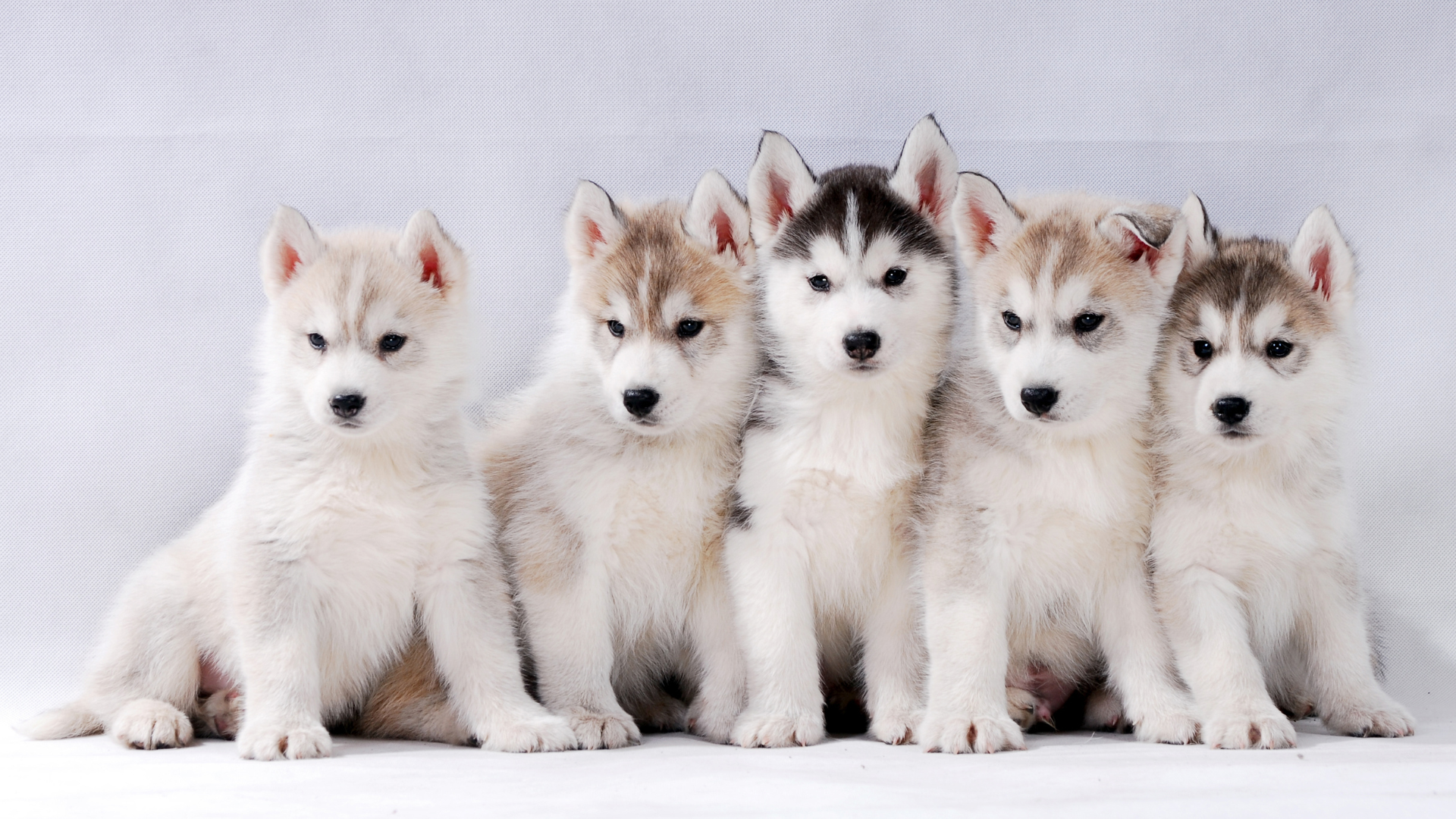
Teething in dogs generally begins between the 3rd and 4th month of life. During this phase, a puppy's baby teeth gradually fall out and the permanent teeth grow in. Throughout this process, your puppy will get a total of 42 permanent teeth – that is 14 more than the 28 baby teeth they have at the beginning of their life.
The exact timing of teething in dogs can vary depending on the dog breed and individual development. Smaller breeds, such as Chihuahuas or Yorkshire Terriers, often begin teething somewhat later, while larger dog breeds, such as Labrador Retrievers or German Shepherds, often go through this process earlier.
Teething in puppies can be divided into approximately three phases:
-
3 to 4 months old: The first baby teeth, usually the incisors, begin to fall out and make room for the permanent incisors.
-
4 to 5 months old: During this phase, dogs often lose their canines. These are the prominent "fangs" that are larger and sharper.
-
5 to 7 months old: The molars and premolars, which play a central role in chewing, are replaced.
This process can drag on until the 7th or even 9th month, depending on the breed and individual factors.
What are the signs of teething in dogs?
During teething, your puppy shows typical behavior and physical symptoms that indicate their teeth are changing. The most common signs include:
Chewing and gnawing during teething
One of the most obvious signs is intense chewing. In this case, your dog will try to soothe the uncomfortable feeling in their gums by gnawing on objects. The gums can be irritated and sensitive during teething, and chewing provides them with relief. Here, you should definitely make sure to offer appropriate chew toys to avoid damage to furniture, shoes, or other household items.

Increased drooling in dogs
If your dog suddenly drools more than usual, this could be another sign of teething. The gums are irritated during this time and are kept moist by the drooling, which provides a soothing effect.
Bloody gums during your dog's teething
It is not unusual for slight gum bleeding to occur during teething when baby teeth fall out and new teeth break through. If you discover traces of blood in the bowl or on toys, this is usually no cause for concern as long as the amounts are small.
Baby teeth in the bowl or toys
From time to time, you may find small baby teeth in your dog's food or water bowl or in their toys. This is a normal part of teething and shows that your puppy's teeth are gradually falling out.
Decreased appetite
Some dogs have less of an appetite during teething or eat more slowly because chewing can be painful. In such cases, it can be helpful to soak the food slightly to make it softer and easier to digest.
How you can help your dog during teething
Teething can be uncomfortable for your dog, but there are various ways you can support them:
Appropriate chew toys
Since your dog has an increased need to chew during teething, you should offer them special chew toys. Ensure that the toy is not too hard so as not to put additional strain on the sensitive gums. Toys made of soft rubber or those that can be chilled often have a particularly calming effect.
Gum care to support dental health
Some dogs enjoy it when you gently massage their gums. There are special finger brushes or soft toothbrushes that can be used for this purpose. Be careful to do this gently so as not to irritate the painful area even more.
Offering soft food
If your dog has trouble eating hard food, you can soak their dry food in water or broth. Soft snacks or special puppy food can also make eating easier for them.
Training dental care
It is useful to get your dog used to dental care even while they are teething. Start with short, positive training sessions where you gently clean their teeth with a dog toothbrush and special dog toothpaste. This not only promotes oral health but also helps prevent tartar and tooth decay in adulthood.
Rest and patience
Teething is an exhausting phase for your dog. Let them rest during this time if they withdraw and make sure not to overwhelm them. Give them the opportunity to rest and to play and eat at their own pace.

Common problems during teething
Even though teething runs without major complications for most dogs, there are some problems you should look out for:
Retained baby teeth
Sometimes baby teeth do not fall out in time even though the permanent teeth are already breaking through. These so-called retained baby teeth should be removed, as they can otherwise lead to misalignment and problems with chewing. This problem often affects the canines.
Misalignment
In some cases, the new teeth can grow in crookedly, especially if the baby teeth remain in the jaw. This can lead to problems with eating or chronic dental diseases later on. If you notice any misalignment, it is advisable to consult a veterinarian.
Gum inflammation
During teething, your dog's gums can be particularly sensitive. Watch for signs of inflammation such as heavy gum bleeding, pus, or a foul odor from the mouth. In such cases, you should visit the veterinarian as soon as possible.
Dental care after teething
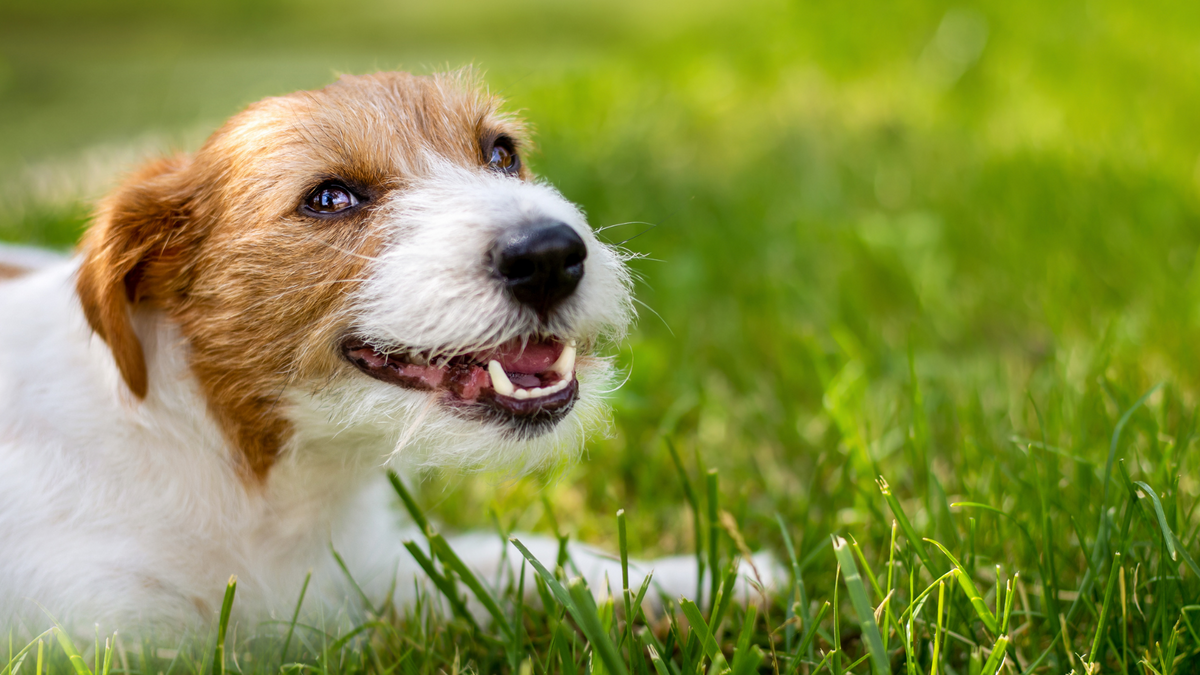
As soon as your dog has lost all their baby teeth and the permanent teeth have fully broken through, it is especially important to start with regular dental care. As with humans, dogs can also develop tartar, tooth decay, and other dental diseases if their teeth are not cleaned regularly.
Brushing teeth
Daily dental care for your dog is crucial. Use a dog toothbrush and special toothpaste suitable for dogs. Start with short training sessions and reward your dog so they associate brushing their teeth with positive experiences.
Dental care snacks
There are special dental chew sticks and snacks that help to reduce plaque and massage the gums. They are a good addition to daily dental care but should not completely replace brushing.
Regular veterinary check-ups
Have your dog's teeth checked regularly by a veterinarian. In some cases, professional teeth cleaning is necessary to remove tartar and prevent disease.
The transition from puppy to adult food
Teething is also a suitable time to think about switching from puppy food to adult food. This usually happens between the 7th and 12th month of life, depending on the size and breed of your dog. When switching food, you should proceed gradually to avoid digestive problems. Start by mixing small amounts of the new food into the puppy food and increase the proportion over about two weeks.
Conclusion: Patience and support during teething
A dog's teeth and the associated teething process is an important but also challenging stage in your puppy's life. During this time, a lot is happening in their little body and you will notice some changes in their behavior.
Your dog may suffer from gum pain, drool more, or chew on objects more frequently. Slight bleeding in the mouth is also completely normal during teething. It is your responsibility to offer them the necessary support and accompany them through this time.
With the right measures, you can make teething easier for your dog. Appropriate chew toys are particularly important here to keep them from chewing on furniture or shoes while simultaneously providing them relief. Soft food or soaking dry food helps during teething if chewing is painful. Pay attention to regular tooth and gum care to prevent inflammation and get your dog used to dental hygiene early on.
Even though teething goes smoothly for most dogs, you should not ignore potential complications such as retained baby teeth, misaligned teeth, or inflammation. In such cases, it is advisable to visit a veterinarian early. Through your care and patience, you lay the foundation for a healthy set of teeth in adulthood.
Not to forget: Teething is also a good time to plan the switch from puppy to adult food as soon as all permanent teeth are in. Be sure to make the transition gradual so that your dog's digestive system can get used to it.
With plenty of patience and the right care, your dog will master this phase well and develop a healthy, strong set of teeth that will last them a lifetime.