
Article: Corn for horses: energy booster or fattening agent?
Corn for horses: energy booster or fattening agent?
If you want to feed your horse optimally, you will sooner or later come across one topic: corn in horse feeding. Many horse owners are faced with the question of whether and how corn is suitable as an energy source, which form of administration is best, and whether there are alternatives.
In this article, you will receive a comprehensive overview of corn for horses, including advantages, disadvantages, and feeding recommendations – regardless of whether you have sports horses, leisure partners, or seniors.
Corn as a fodder plant: Origin and significance
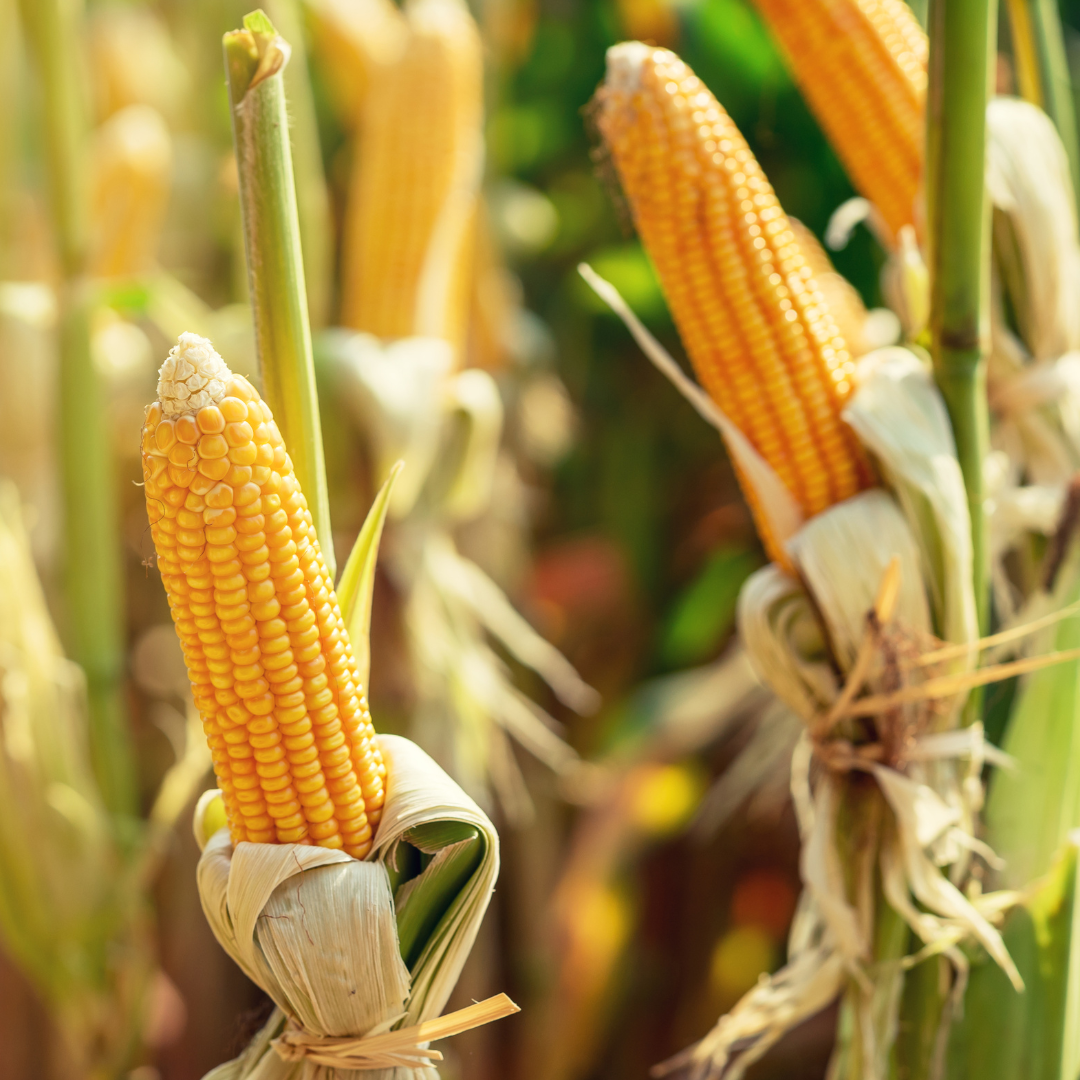
The corn variety we know today originally comes from Central America. Today, the corn plant is one of the most important fodder plants worldwide – not only for humans but also in horse feeding. Corn is one of the grains with a particularly high energy content, which makes it a popular component in horse feed – especially as concentrate feed in sports horse nutrition.
What makes corn so interesting for horses?
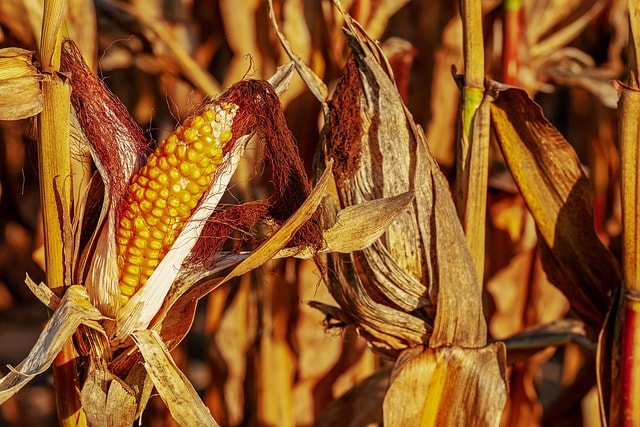
The biggest advantage of corn lies in its high proportion of starch and carbohydrates. This makes it a real energy supplier for horses with increased energy requirements, such as those in intensive work, in sports, or during convalescence. The energy content of corn is significantly higher than that of oats or barley, which makes it particularly attractive for sports horses.
However, this high energy density also has a downside – because corn quickly becomes a fattening agent if you do not precisely adjust the amount to your horse's needs.
Forms of corn in horse feeding: What variants are available?
There are various forms of corn available. Each has its own advantages and disadvantages:
1. Corn silage
Corn silage is frequently used in cattle feeding but can also be considered as a hay substitute for horses. However, the pH level is greatly lowered by fermentation, which not all horses tolerate well. In addition, hygienic quality is crucial – mold or improper fermentation can quickly become a problem.
2. Corn flakes
Corn flakes are thermally processed corn kernels. Due to the processing method, the starch is easier to digest, which relieves the horse's hindgut. This form is particularly suitable for sports horses, as the energy is quickly available. When purchasing, pay attention to good quality and short delivery time so that the corn flakes arrive fresh.
3. Corn cobs
Corn cobs are similar to well-known grass cobs and consist of the entire corn plant, including the cob and leaves. They are suitable as a sole feed or as a single feedstuff to supplement roughage and, in addition to starch, also offer structural components. They can also be a sensible alternative to conventional grain.
4. Whole corn kernels
In their natural form, corn kernels are difficult for horses to digest. They must be processed (e.g., by crushing or boiling) so that they do not cause digestive problems in the hindgut.
Corn compared to other grains
When you compare corn, oats, and barley, clear differences emerge:
|
Grain |
Energy content |
Protein content |
Digestibility |
|---|---|---|---|
|
Corn |
High |
Low |
Medium (raw) / High (processed) |
|
Oats |
Medium |
High |
High |
|
Barley |
High |
Medium |
Medium |
Although corn has a lot of energy, it has a low protein content. This is a particular advantage if your horse is already suffering from an excess of protein – a common problem with too much green fodder or clover.
For which horses is corn suitable?
Not every horse benefits equally from feeding corn. Here is an overview of sensible areas of application:
-
Sports horses: high energy requirements, fast carbohydrates are welcome
-
Underweight horses: for healthy weight gain
-
Old horses: in an easily digestible form like corn flakes
-
Horses with protein excess: corn as a concentrate feed with low protein content
For which horses is corn less suitable?
-
Easy keepers or robust breeds: high risk of weight gain
-
EMS horses or those with insulin resistance: unsuitable due to the high starch content
-
Horses with metabolic diseases: consulting a veterinarian is mandatory here
How much corn may a horse receive?
The optimal amount depends heavily on the energy requirements, work intensity, and the horse's weight. Rule of thumb:
-
Leisure horses: max. 0.5 kg corn/day
-
Sports horses: depending on performance, up to 1.5 kg corn/day is possible
-
Always in combination with sufficient roughage such as hay
Corn should never be the only feed. A balanced ration contains roughage, mineral feed, and – if necessary – an adjusted amount of concentrate feed like corn.
Preparation & feeding: What you need to pay attention to
-
Always feed corn processed (e.g., as corn flakes or crushed)
-
Always introduce it slowly to accustom the hindgut to the starch
-
Always store corn in a dry, mold-free place
-
Pay attention to price, quality, and delivery time when purchasing feed
Conclusion: Is corn a good horse feed?
When used correctly, corn can be a valuable part of a horse's diet. Especially for sports horses and in phases with increased energy requirements, corn scores with its high energy content and low protein content. As a single feed or component of concentrate feed, it offers a sensible supplement to roughage.
However, it is important that you always consider the individual situation of your horse: workload, temperament, health status, and body condition play a central role. Excessive or incorrect feeding of corn can quickly do more harm than good – keyword: fattening agent.