
Soy protein for horses – sensible protein source or risky ingredient?
If you are intensively involved in horse nutrition, you will sooner or later come across the term "soy protein." Especially if you want to provide your horse with optimal protein and essential amino acids – for example, to support muscle development, in breeding, for young horses with growth requirements, or for high-performance sport horses – soy quickly moves into the spotlight.
But what exactly is behind the term soy protein for horses? What are the benefits of soy as a protein source – and what are the drawbacks you should be aware of? Is it a natural supplement for your horse's diet, or are there healthier alternatives?
In this article, we take a critical look at soy protein in horse feeding, clarifying its composition, effects, requirements, and sensible options – so you can make an informed decision about what is truly best for your horse.
What is soy protein anyway?
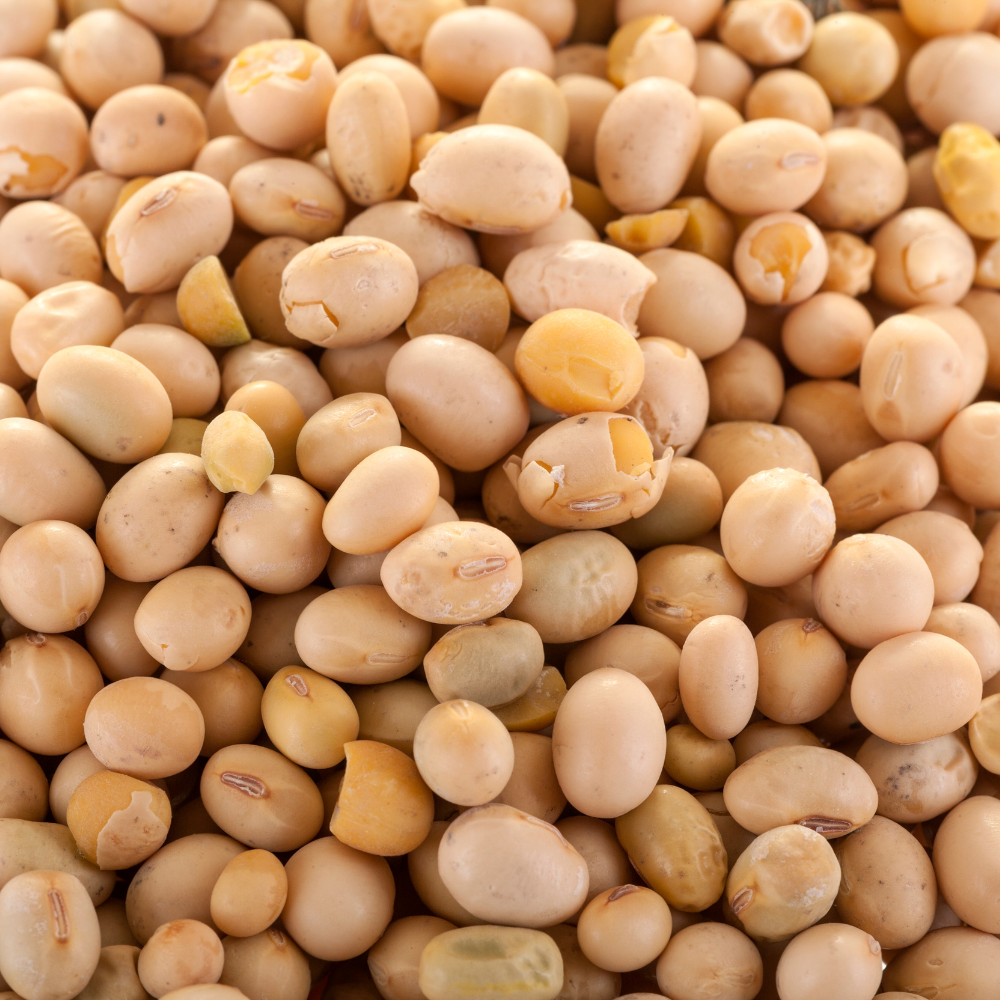
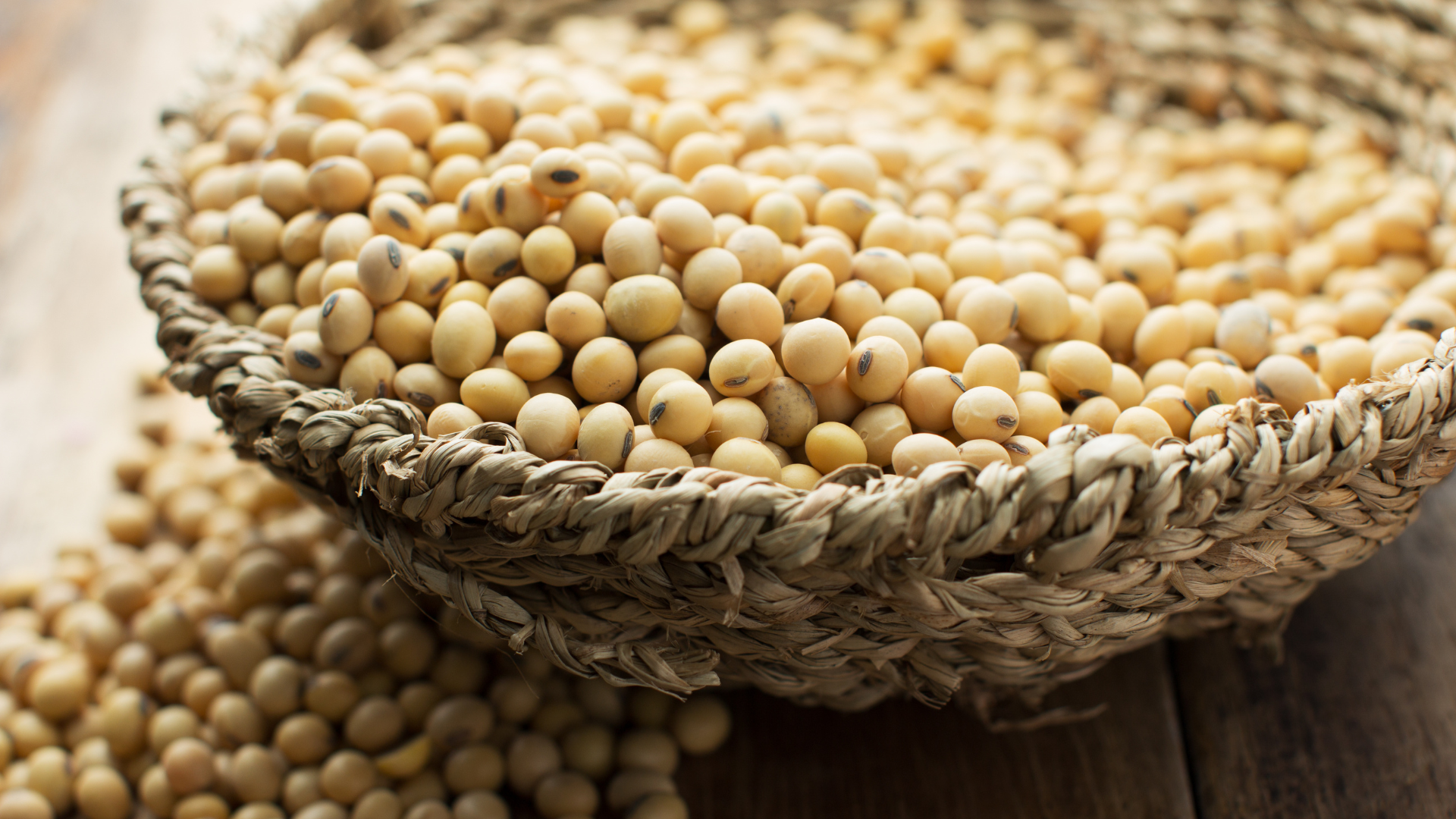
Soy protein is the protein extracted from the soybean. This legume contains about 35–40% protein, making it one of the most protein-rich plant-based sources. In horse feeding, soy is usually used in the form of soybean meal or extracted soy protein – both are highly concentrated protein carriers.
The contained amino acids such as lysine, methionine, and threonine make soy protein particularly attractive – especially for horses with increased protein requirements. These include, for example:
-
Growing young horses
-
Broodmares
-
Stud stallions
-
Sport horses
-
Horses with muscle weakness
However, even though the composition may seem ideal at first glance, there are some aspects to consider, which we will address in detail.
Why protein is so important for horses
Proteins are the fundamental building blocks of the body. They consist of amino acids that are involved in almost all processes in the organism: muscle building, tissue renewal, immune function, metabolism, and energy supply – all of this depends on an adequate protein intake.
Especially for horses that are performing or are in a growth phase, the protein requirement is correspondingly increased. But older horses also benefit from a targeted supply of certain amino acids, particularly to maintain muscle mass.
However, it is not just about the quantity, but above all about the quality of the protein – and this is where the so-called essential amino acids are crucial.
Soy protein as a component of concentrated feed
Many commercial concentrated feed products for horses contain soybean meal or isolated soy protein. Why?
Because soy is a relatively inexpensive plant-based protein with a very high crude protein content. Furthermore, it provides a considerable proportion of essential amino acids that are often not present in sufficient quantities in hay, grass, or grain – especially lysine, which is considered a limiting amino acid.
Composition and protein content of soy
A quick look at the typical composition of soybean meal:
-
Crude protein: 44–48 %
-
Lysine: approx. 3 %
-
Methionine: 0.6 %
-
Fat: approx. 1–2 %
-
Fiber: approx. 6 %
-
Carbohydrates: low
This makes soy a highly concentrated protein supplier – ideal as a targeted supplement if your horse needs more protein than can be covered by roughage.
Benefits of soy protein for horses
Let’s look at the benefits in more detail:
-
High protein content: Soy provides about twice as much protein as many other plant-based sources.
-
Essential amino acids: Especially lysine, methionine, and threonine – important for muscles, the immune system, and hormone production.
-
Readily available: Processing (e.g., toasting) improves digestibility.
-
Affordable price: Compared to animal protein sources, soy is often significantly cheaper.
-
Vegetarian/plant-based: Ethically relevant for many horse owners.
But there are also downsides – and concerns
Despite all the advantages, soy is not suitable for every horse – and not every veterinarian or nutritional expert recommends its use. Why?
1. Allergies & intolerances
Some horses are allergic to soy. Symptoms can include:
-
Itching
-
Skin changes
-
Loss of performance
-
Digestive problems
If your horse reacts sensitively to feed, you should be particularly vigilant with soy.
2. Phytoestrogens
Soy contains natural plant substances (isoflavones) that can have an estrogen-like effect. Whether this has hormonal consequences for horses has not yet been conclusively clarified – but caution is advised, especially with breeding horses and mares.
3. Genetic engineering
A large portion of the soy used worldwide comes from genetically modified plants – especially from South America. Therefore, make sure to look for GMO-free products if this is important to you.
4. Unfavorable amino acid profile compared to other sources
Even though soy provides many essential amino acids, the profile is not perfect. Animal proteins or certain alternatives like alfalfa, linseed, rice protein, or pea protein sometimes offer better bioavailability.
What are the alternatives to soy protein?
If you prefer to feed a soy-free diet, there are good alternatives that also contain high-quality proteins:
1. Alfalfa (Lucerne)
-
Rich in crude protein and calcium
-
Ideal for supplementing hay
-
Particularly good for horses with weak muscles
2. Linseed
-
High omega-3 content
-
Good for skin, coat, and digestion
-
Moderate amounts of protein
3. Pea protein
-
Plant-based, hypoallergenic
-
Good amino acid profile
-
Still relatively rare in horse feed
4. Rice protein
-
Particularly well-tolerated
-
High-quality amino acid profile
-
Suitable for allergy sufferers
When does soy protein make sense?
A targeted use of soy protein can certainly make sense – for example:
-
If your horse is significantly under-muscled
-
If it is in a growth phase
-
In breeding, especially for pregnant or lactating mares
-
For very high performance demands
-
If hay and grass are not sufficient to cover the protein requirement
Important: Do not just feed soybean meal or protein feed "on suspicion." First, have the protein status checked – for example, through a hay analysis or in consultation with an equine nutritionist.
How much soy protein does your horse need?
The actual requirement depends heavily on age, performance, condition, and the basis of the feed. Generally speaking:
-
Easy keepers: Hardly any need for additional protein
-
Breeding and sport horses: Increased demand, targeted supplementation possible
-
Young horses: Often need lysine-rich supplementation
An adult warmblood in training requires an average of about 700–900 g of digestible crude protein per day. Soy can be one component of this – but it should not be the only one.
Conclusion: Soy protein for horses – yes or no?
The short answer: It depends.
Soy protein can be an efficient source of protein for your horse – provided it is used according to need, is of high quality (GMO-free!), and is fed in moderate amounts. Especially when there is an increased need for amino acids, it can be helpful – but it is not without alternatives.
However, if your horse reacts sensitively or you value regional, natural alternatives, there are many good plant-based protein sources without soy that you can consider.
Ultimately, what counts is: What does your horse really need? And how can you achieve that in a natural, balanced way?