
Horse Breaking: Step by step to a safe riding horse
Starting a horse is one of the most exciting yet challenging moments in horse training. You are faced with the important task of not only getting your animal used to the rider, but also shaping it into a reliable and relaxed partner under saddle. This is a complex process that requires much more than simply climbing onto the horse's back. You are preparing it mentally and physically for its future tasks so that it can handle them stress-free.
With patience, empathy, and a well-structured approach, you can successfully start your horse and manage the training optimally. In this comprehensive guide, you will find valuable tips to make your journey from groundwork to your first rides easier. The process of starting a horse requires solid foundational training and a step-by-step guide so that the animals become safe and trusting riding partners in the long term.
What does "starting a horse" mean?
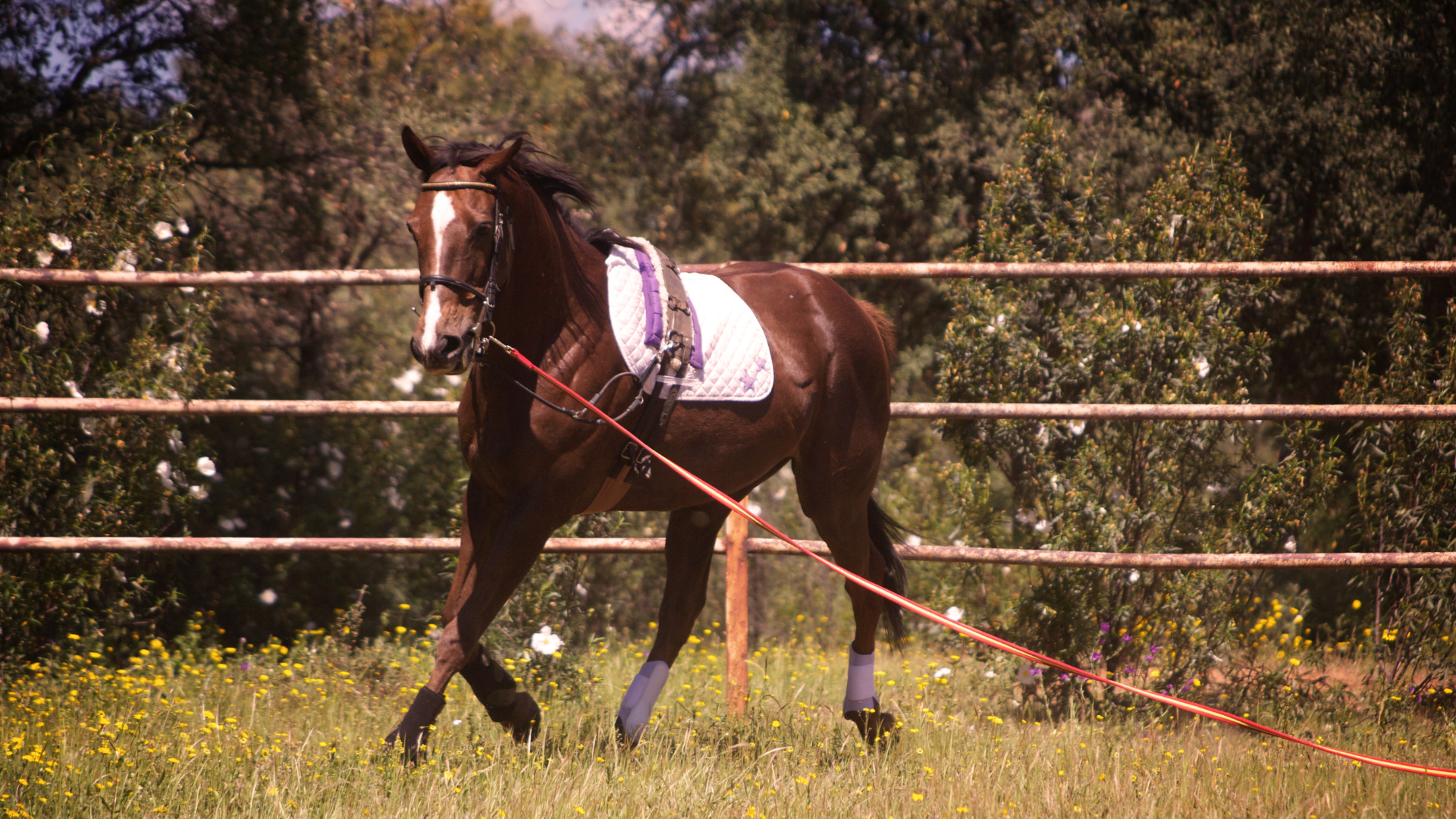
Starting a horse describes the process of getting a young or inexperienced horse used to carrying a rider and communicating through aids. It is not just about getting on the horse's back, but rather a targeted education in which the horse gradually learns to respond to the rider's signals.
A well-started horse will pay attention to the smallest aids, work safely under saddle, and develop trust in the rider. This process will bring you, as a rider, joy in the long run if it is designed slowly and carefully. Stress or force during the starting process, however, can lead to the horse developing fears that are difficult to overcome later on.
When is the right time to start a horse?
The question of the right time to start a horse must be answered differently for each animal. Generally, starting begins between the ages of three and four. However, this does not mean that every animal is ready for it at this age.
Physically, it should be sufficiently developed, meaning its musculature and bone structure must be stable enough to bear the weight of a rider. Some animals are physically ready at three years old, while others take longer. Therefore, it is important to observe closely whether your four-legged friend has reached the necessary level of physical maturity.
At the same time, the animal must also be mentally ready. A young animal that is still very playful or unfocused will be stressed and overwhelmed more quickly during the start. It therefore requires not only good physical preparation but also mental preparation.
The preparation phase: Why groundwork and lunging are so important
Before you even think about riding your horse, you should invest plenty of time in groundwork and lunging. This preparatory work forms the foundation for successful training. Here, your horse learns to concentrate, respond to your aids, and build trust in you.
Groundwork: Building communication on the ground
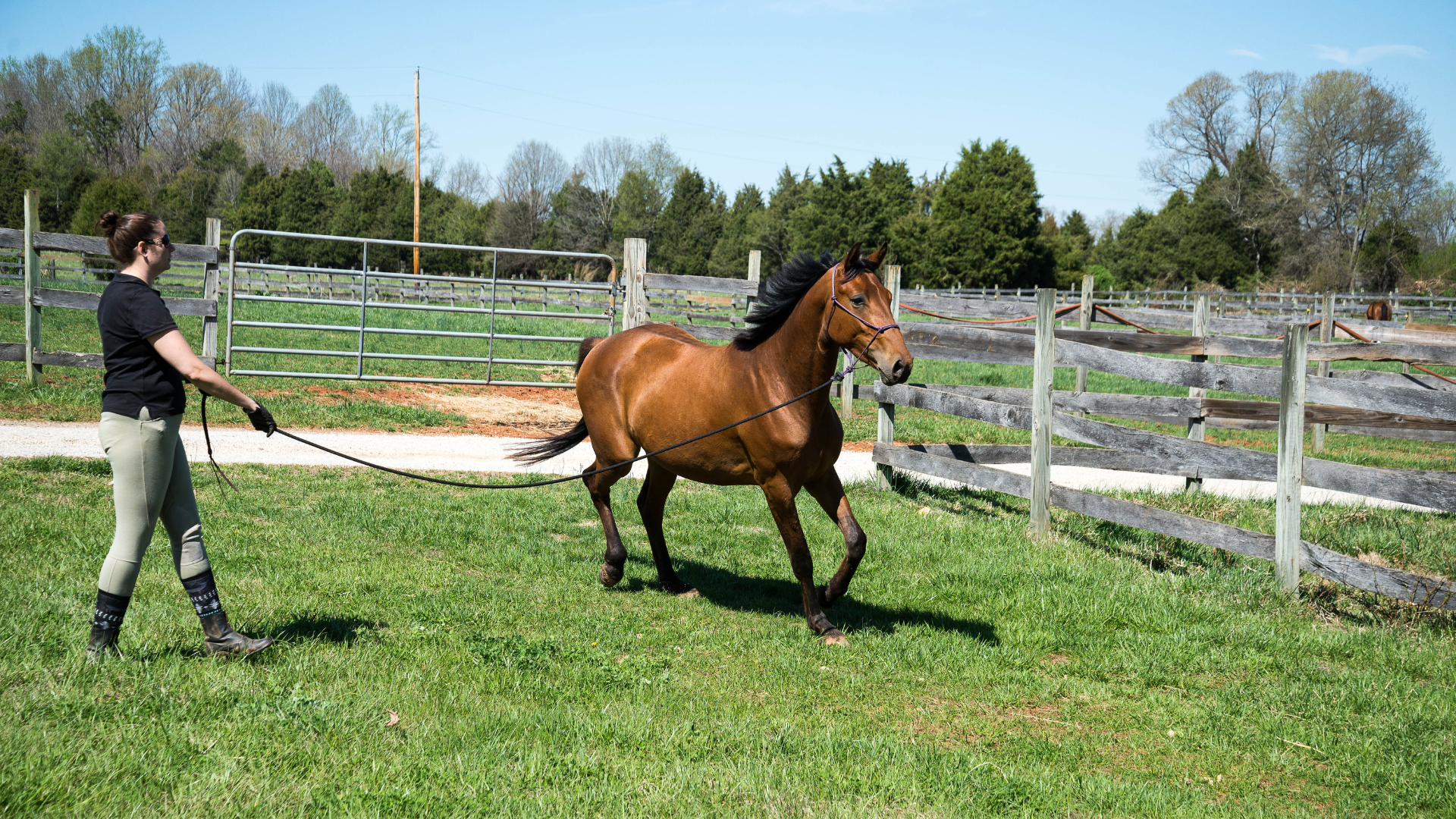
Groundwork is primarily about building trust. Your horse learns to respond to your body language and vocal cues. You can expose it to different situations and objects that it will later encounter under saddle. This way, it will learn to trust you and follow your instructions while still on the ground.
Lunging: Promoting balance and coordination
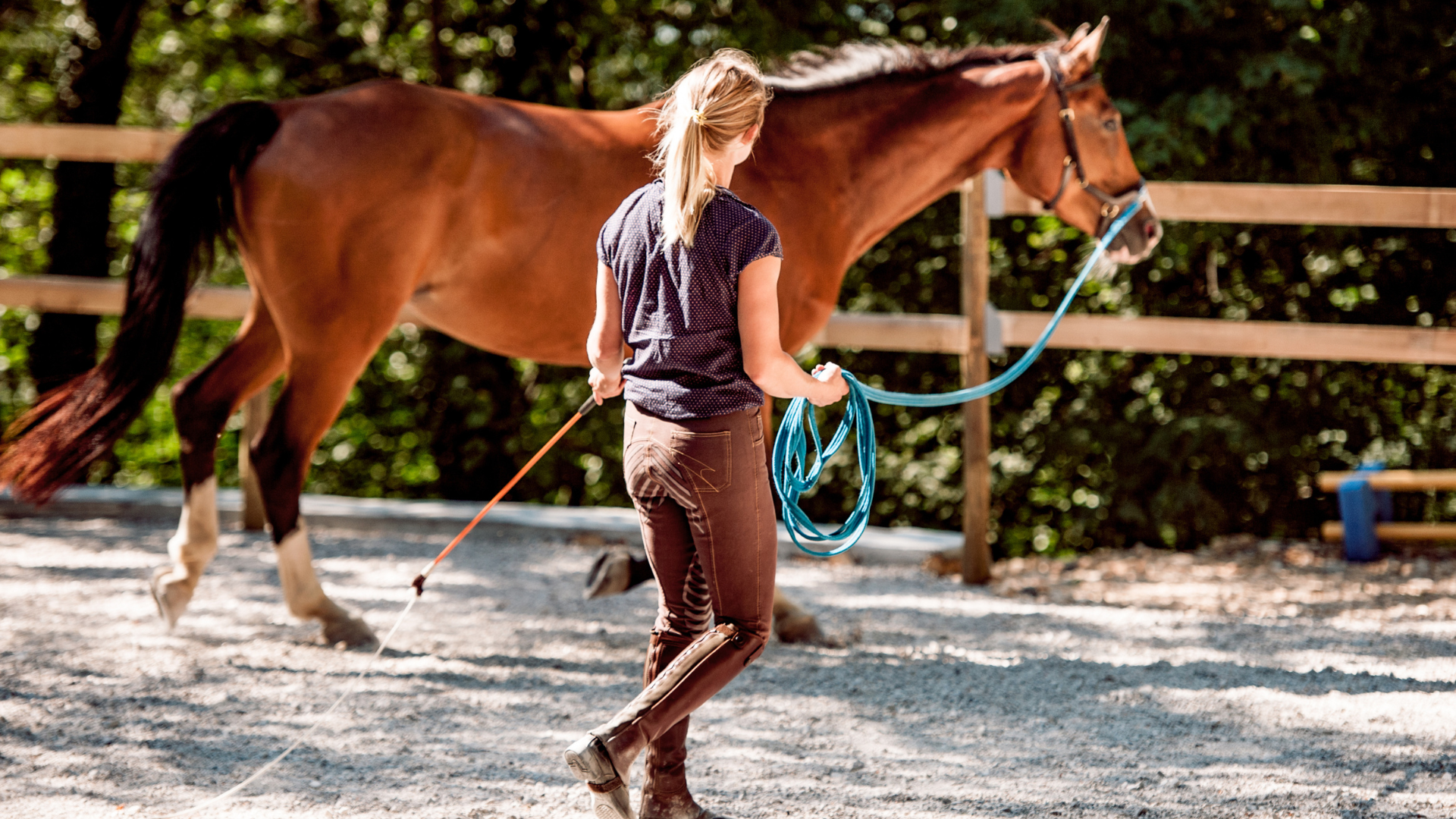
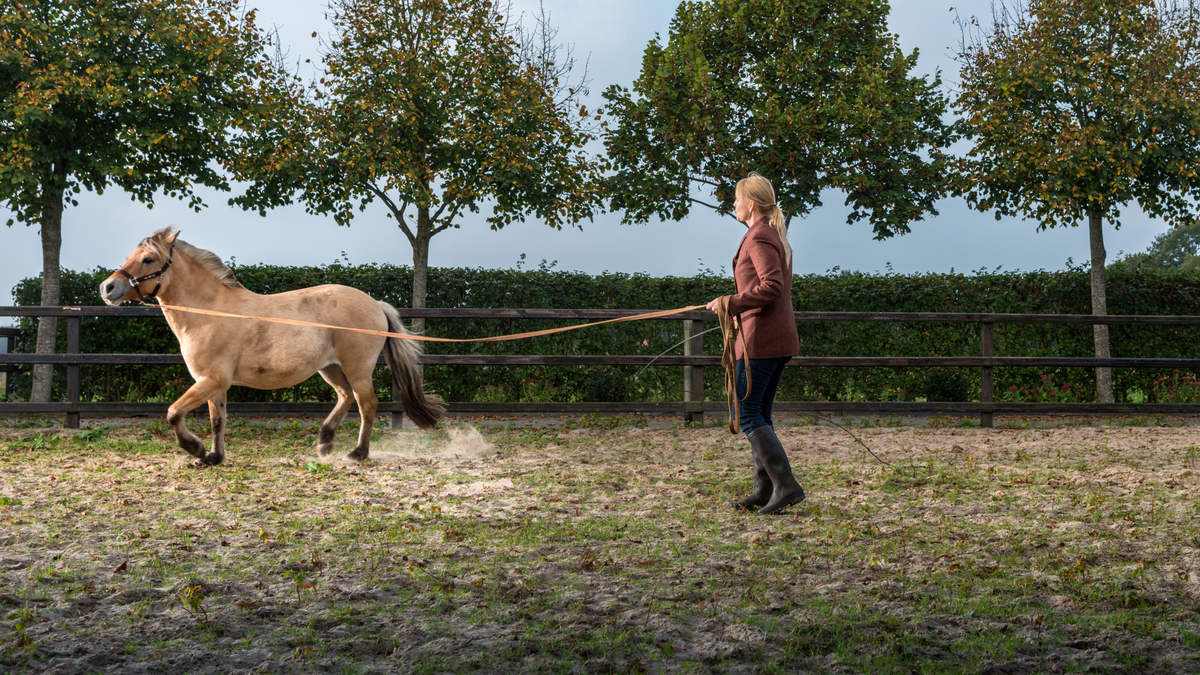
Lunging is a valuable method for promoting your horse's physical fitness. Your horse learns to move at a steady pace on a circular path and to respond to voice and whip aids. At the same time, it trains its balance, coordination, and muscles, which is an advantage later under the rider. This not only prepares the horse physically for being started but also teaches it how to correctly interpret aids.
Trust and respect: The basis of every successful horse training program
Successful training is based on mutual trust and respect. Your horse must trust you as a rider and be willing to let you lead it. Conversely, you should treat the horse with respect, recognize its limits, and pay attention to its signals.
You build this trust during the preparation phase by spending plenty of time with your horse, grooming it, working with it, and praising it whenever it handles tasks well. If your horse realizes that it can rely on you, it will also remain calm and relaxed during the start.
The right equipment for starting: What you need
The right equipment is crucial for success during the starting process. Your horse must feel comfortable with the gear, as ill-fitting equipment can not only cause physical harm but also lead to negative associations.
The saddle
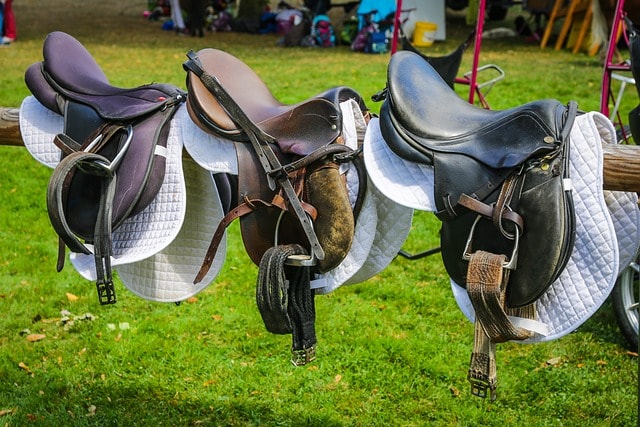
A well-fitting saddle is essential. Ensure that the saddle is specifically fitted for the young horse. It should provide shoulder freedom and not pinch anywhere. An incorrectly fitting saddle can lead to tension and pain, which will unsettle your horse and delay the training process.
The bit
The bit should be soft and sit well in the horse's mouth. Young horses in particular are sensitive to pressure in the mouth, so you should choose a gentle bit that helps your horse get used to carrying it and responding to aids gradually. Alternatively, you can work with a bitless bridle in the initial phase.
Surcingle and saddle pad
In the first phase of starting, you can use a surcingle or a saddle pad to gradually get the horse used to the pressure on its back. This helps your horse learn that it is carrying something on its back without immediately being confronted with a rider.
How to slowly get horses used to the saddle
Before you mount your horse for the first time, you must get it used to the saddle. This step must never be rushed. The goal here is to show your horse that the saddle is something normal and should not cause it fear.
Step 1: The saddle pad
Start by getting your horse used to the saddle cloth or saddle pad. Let it sniff it and gently stroke it over your horse's back before placing it on. Observe how your horse reacts. If it remains calm, that is a good sign.
Step 2: The surcingle
Next, you can put on the surcingle. Be careful to fasten it gently and not too tightly. Let your horse get used to the feeling in peace before you lunge it with the surcingle. Lunging with the surcingle serves to accustom the horse to the pressure on its back.
Step 3: The saddle
Once your horse has accepted the surcingle, you can add the saddle. Place the saddle on slowly and ensure it fits well. Practice saddling and unsaddling with your horse until it accepts the saddle calmly. Afterward, you can lunge it with the saddle to clarify the new situation for it.
Patience is the key: Why you shouldn't rush anything
Starting requires one thing above all: patience. There are no fixed schedules for when a horse should be at a certain stage. Every horse learns at its own pace, and it is important that you follow that. There is no point in rushing the process just because you want to see initial results as quickly as possible.
Slow progress counts
When your horse is ready to take the next step, you will know by seeing it master the previous exercises calmly and composedly. Small setbacks or delays are normal. Give your horse the time it needs to develop confidence.
The first steps with rider weight: How to get your horse used to your weight
After your horse has accepted the saddle, the next step is to get it used to the rider's weight. This step is a major change for horses, so you should proceed very gently here as well.
Step 1: Applying light pressure
Before you sit directly in the saddle, you can first apply light pressure to the saddle by leaning on it with your hands or carefully leaning over it. This teaches your horse that the weight on its back is something it can handle.
Step 2: The first seat
If your horse accepts the pressure without problems, you can carefully sit in the saddle. Have another person help you by leading or calming your horse if it becomes nervous. Make sure to sit quietly in the saddle and not make any sudden movements. Your horse needs to understand that it can trust you in the saddle, too.
The first rides at a walk: Safely transitioning to the next phase
As soon as your horse has become accustomed to your weight, you can begin with the first rides at a walk. Patience is required here as well, because it must learn to move safely with a rider on its back.
Leading on the lunge
Start by leading your horse on the lunge at a walk while you sit in the saddle. This way, your horse has the security of familiar commands from the ground while simultaneously getting used to the rider's weight. Ensure that you sit quietly and do not irritate your horse.
Short sessions
Work in short sessions and always end the training with a positive experience. Praise your horse frequently and reward it when it masters a task well. This maintains motivation and your horse learns that riding is something pleasant.
Don't forget to praise: Positive reinforcement when starting
Praise is a central component of any training, including starting. Horses learn through positive reinforcement, meaning they repeat behaviors that lead to a reward. Use this knowledge to motivate your horse and encourage it to master new tasks.
How to praise correctly
You can praise in different ways: with words, stroking, or treats. Make sure to praise your horse immediately after a successful exercise so it understands the connection between the task and the reward. Do not overdo the praise, however; use it purposefully so as not to confuse your horse.
What to do in case of setbacks? How to handle difficulties
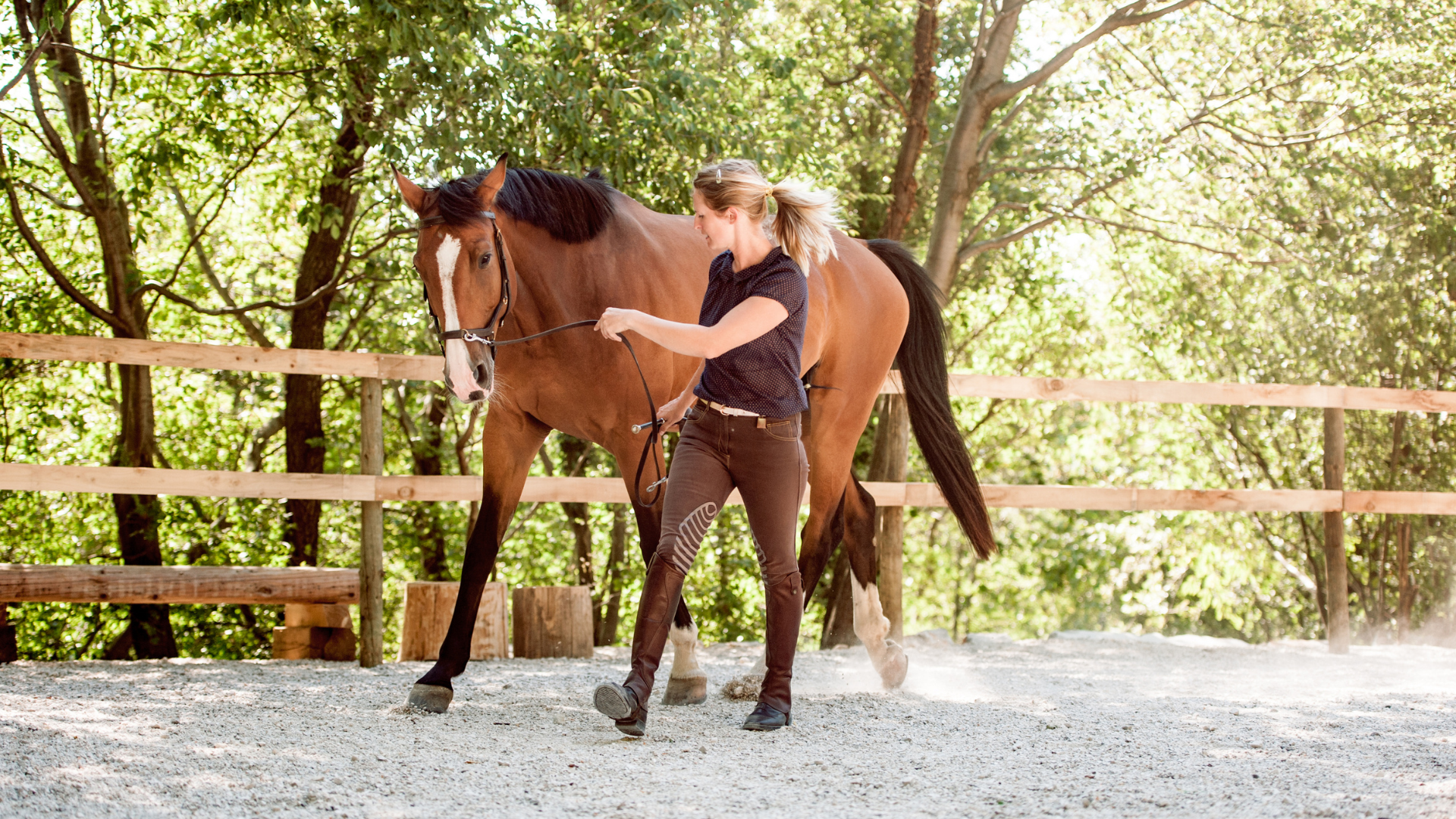
Setbacks are part of starting. It may happen that your horse suddenly reacts fearfully or refuses tasks it previously mastered well. Such situations are normal and require you, as the rider, to remain calm and composed.
Find the cause of the problem
Try to find out why your horse is struggling. Perhaps it is overwhelmed, or it is experiencing pain from the equipment. Go one step back and work on the foundation until your horse is secure again. Patience is especially important in such moments.
When to call in a professional trainer
If you feel overwhelmed by the starting process or your horse is not responding well to certain situations, it may be sensible to call in a professional trainer. An experienced trainer can help you avoid mistakes and safely guide your horse through the starting process.
What a trainer can do
A trainer not only brings the necessary expertise but also recognizes potential problems early on that you, as an inexperienced rider, might overlook. Through targeted exercises and techniques, a trainer can help you and your horse complete the training successfully.
Your horse's physical fitness: Why training is so important
Your horse's physical fitness plays a central role during starting. A horse that lacks sufficient muscle and stamina will have difficulty carrying the rider and fulfilling the requested tasks.
Regular training
Before starting, you should build up your horse through targeted training. Lunging, groundwork, and in-hand work promote muscle development and improve balance. Ensure that you build your horse up slowly and give it time to develop physically.
Your horse's mental fitness: Avoiding stress
In addition to physical fitness, your horse's mental state is also crucial. A horse that is stressed or fearful cannot concentrate on learning and will have difficulty mastering new tasks.
Reduce stress
Ensure you do not overwhelm your horse. Work in short sessions and give it enough breaks. A balanced horse will learn faster and be more motivated in the long term.
Common mistakes when starting and how to avoid them
Many mistakes can be made during the starting process that will negatively affect future training. One of the most common mistakes is starting a horse too early or skipping important preparations.
Do not rush the process
The biggest mistake you can make is to rush the process. Ensure that your horse has safely mastered every task before you move on to the next step. This is the only way your horse will become a reliable partner under saddle in the long term.
Transitioning to independent riding: The next steps
As soon as your horse is moving safely on the lunge at a walk, you can slowly initiate the transition to independent riding. This step requires a lot of patience, as your horse must learn to respond to your commands without anyone helping from the ground.
Removing the lunge line
Start by gradually lengthening the lunge line until you can eventually ride the horse without it. During this phase, your horse should already know and understand all basic commands, so it can safely follow you under saddle.
The trot and canter: Introducing faster gaits
After horses are moving safely at a walk, you can introduce the trot and later the canter. These gaits require good balance and a high degree of trust, so you should proceed slowly and cautiously here as well.
Introduce the trot gently
Start by guiding your horse on the lunge at a trot while you sit in the saddle. This gives it the security of familiar aids from the ground and allows it to get used to the new challenge. Ensure that your horse remains calm and does not panic.
How long does it take to start a horse?
Breaking in a horse is a lengthy process that can take several months. How quickly it masters the various steps depends heavily on your horse's individual development. Some horses are ready for their first trail rides after just a few months, while others need longer to develop confidence and security.
No fixed time limit
Do not set a fixed time limit for yourself. Every horse learns at its own pace, and it is more important that the process is thorough and stress-free than that it is completed quickly.
Your horse's first trail rides: How to get started safely
As soon as your horse is moving confidently in the arena or paddock, you can venture out on your first trail ride. Here, too, you should proceed cautiously and ensure your horse is not overwhelmed.
Riding in company
You should always undertake your first trail rides accompanied by an experienced horse. A calm companion gives your young horse security and helps it get used to the new sights and sounds outdoors. Start with short rides in a familiar environment before expanding your territory.
How to support your horse in the long term: The training continues
Breaking in is only the first step in the entire learning process. Even after the first successful rides, it is important to continue supporting your horse's development. Varied training that offers both mental and physical challenges ensures that your horse stays motivated and continues to progress.
Varied training
Provide your horse with variety in its daily routine by regularly alternating between different training methods. Lunging, riding lessons, trail rides, and gymnastic exercises ensure that your horse is challenged both physically and mentally.
Conclusion: Patience, trust, and a well-structured plan lead to success
Breaking in a horse is a demanding process that requires a great deal of patience, empathy, and good preparation. Every step of breaking in should be carefully thought out and carried out at the animal's own pace. If you give it the time it needs and support it with both love and consistency, the process will be a success. In the end, you will have a reliable and safe riding horse that will bring you joy for many years to come.
Always remember: Trust and patience are the keys to success when breaking in a horse!