
Grazing horses correctly – A comprehensive guide for a successful transition
Turning horses out to pasture in the spring is an essential phase that should be carefully planned and carried out. The transition from winter hay feeding to fresh pasture grass poses a major challenge to your horse's digestive tract. Without a gradual introduction, there is an increased risk of digestive problems, colic, or even laminitis.
It is therefore particularly important for horse owners to plan the turnout process well and approach it slowly. A transition that is too fast can lead to serious health problems. In this detailed guide, you will learn how to optimally turn out your horse, what health risks to consider, and how to properly maintain the pasture.
To ensure that turning horses out to pasture is successful and without health setbacks, it is necessary for you as a horse owner to carry out the entire process with patience and attention.
Why is turning out to pasture so important?
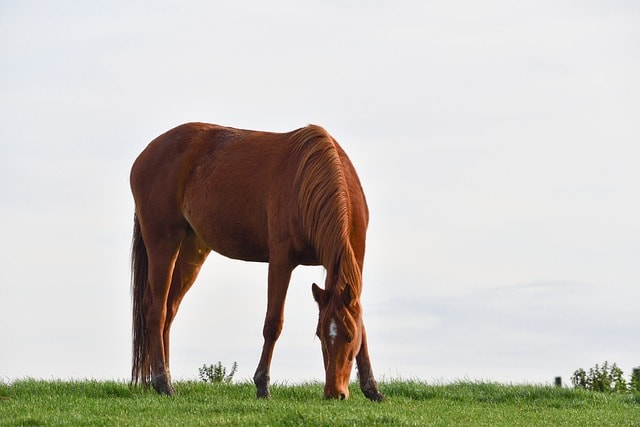
Turning horses out to pasture is more than just a change from winter feed to grass – it is a critical process for your horse's health. Horses are grazing animals that, in the wild, have access to various plants all year round. In our modern management systems, however, they receive almost exclusively hay and straw in winter. Fresh spring grass contains a significantly higher amount of sugar and energy, which places a heavy burden on the digestive system. Without a slow adjustment, serious health problems can occur.
To ensure your horse can enjoy the grazing season in good health, it is important to introduce them to the pasture correctly. The transition should be gentle and well-planned to avoid digestive issues. In the first phase of the grazing season, the grass is particularly nutrient-dense, which makes it all the more important to make the turnout process slow so as not to overwhelm your horse's digestive tract.
What happens in the horse's stomach during the turnout process?
Your horse's digestive tract is particularly sensitive, as digestion is carried out by a multitude of bacteria and microorganisms in the gut. These are accustomed to winter roughage and need time to adapt to the new nutrients in fresh grass. Certain types of sugar, such as fructan, which are found in grass, can stress the gastrointestinal tract if ingested too quickly. A transition to pasture that is too rapid can therefore lead to fermentation in the gut, which increases the risk of bloating, colic, or even laminitis.
That is why it is important to slowly acclimate your horse's digestive tract to the nutrients found in pasture grass in order to avoid such health problems.
When is the best time to turn horses out to pasture?
The right time for turning horses out depends on several factors, primarily grass growth and weather conditions. Ideally, you should start in the spring when the grass has reached a height of about 10 to 15 centimeters. At this stage, it is rich in nutrients, but the sugar content is still relatively low. Particularly in the morning, after cool nights, the fructan content in the grass can be especially high. Therefore, you should adjust your turnout times accordingly.
Avoid turning out after heavy rain or on very wet ground, as damp grass is difficult to digest and increases the risk of colic. Dry weather offers better conditions for the start of the grazing season.
The turnout plan: Step-by-step to pasture acclimation
A slow and gradual acclimation is the key to successful turnout. Here is a proven plan that you can use as a guideline:
-
Days 1 to 3: Start with short turnout times of 15 to 20 minutes per day. Your horse should slowly come into contact with the grass, but not ingest too much yet.
-
Days 4 to 7: Increase the turnout time to 30 to 45 minutes daily. This gives your horse's digestive system time to adapt to the new nutrients.
-
Week 2: Increase the turnout time to 1 to 2 hours per day. Monitor the horses closely during this time to identify early signs of problems.
-
Weeks 3 to 4: In this phase, you can extend the turnout time to 3 to 4 hours. Your horse should now slowly be able to spend longer periods on the pasture.
-
From week 5: If everything goes well, you can leave your horse on the pasture for the entire day. However, make sure that it still has access to hay to stabilize digestion.
Tips for correct feeding during the turnout process
During the turnout process, you should ensure that your horse continues to receive roughage such as hay. This not only helps to stabilize digestion but also ensures that your horse does not go to the pasture hungry and eat too much fresh grass at once. A mixture of hay and grass promotes a healthy transition and reduces the risk of bloating and colic.
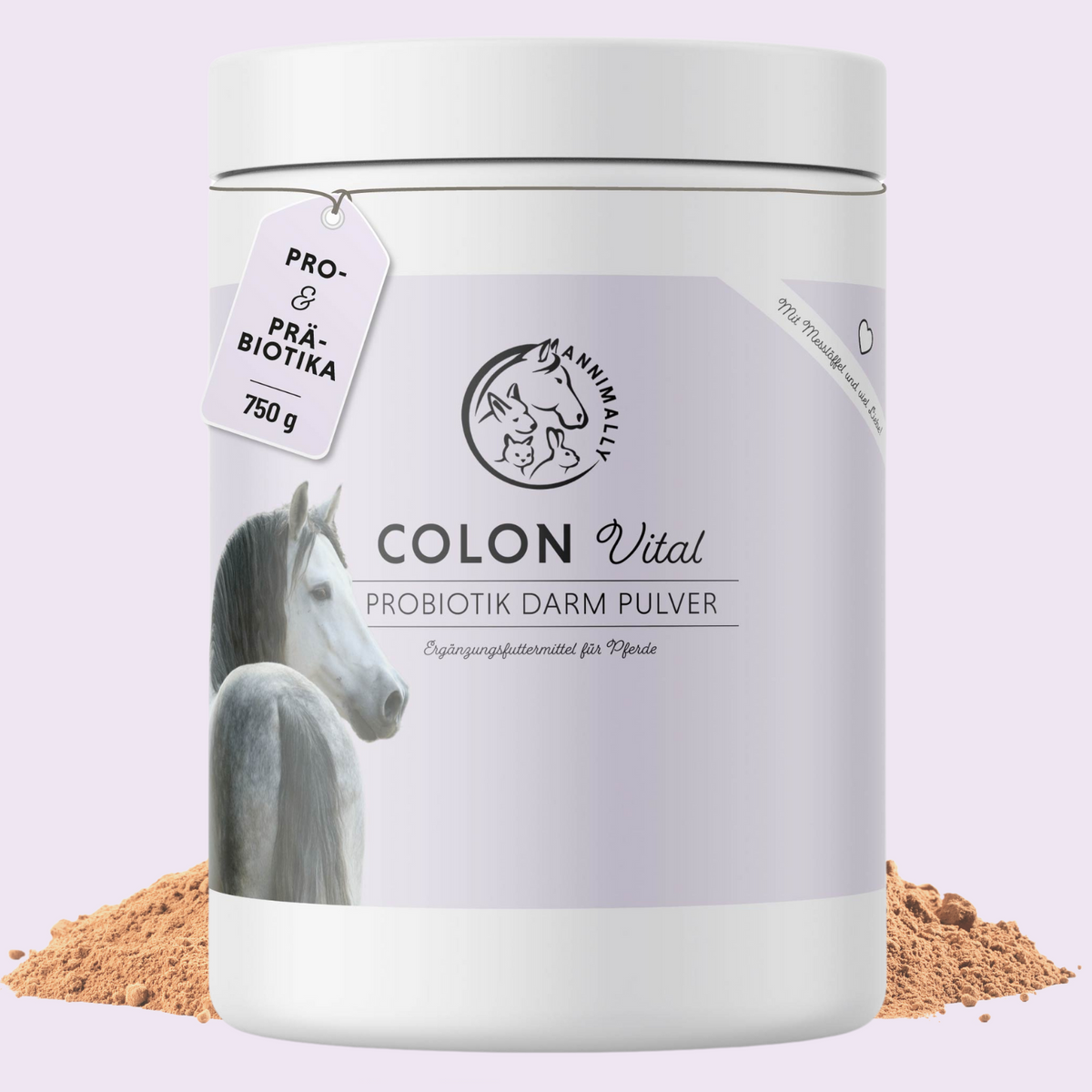
Additionally, you can consider the use of nutritional supplements. Probiotics, herbs, and mineral-rich preparations can support gut flora and prevent digestive disorders. There are special feed additives aimed at relieving the digestive tract during the grazing season and regulating the metabolism.
Dangers of turning out: Laminitis and other risks
The greatest risk during the turnout phase is the danger of laminitis. This painful inflammation of the hoof laminae is often triggered by the high sugar content in grass. Overweight horses or those suffering from metabolic diseases such as Equine Metabolic Syndrome (EMS) or Cushing's disease are particularly at risk.
To minimize the risk, you should be particularly careful with turnout times. Turn your horse out during the cooler morning hours or after rain, when the fructan content in the grass is lower. For horses at high risk, it may be sensible to keep turnout times very short or to let the horse graze only on previously grazed pastures.
Observe your horse during the turnout process
Throughout the entire turnout phase, it is important to closely monitor your horse's behavior and health. Watch for signs of discomfort, such as diarrhea, colic, loss of appetite, or lethargy. These symptoms may indicate that the transition has occurred too quickly and the digestive system is overwhelmed.
Regular inspection of the hooves is also crucial to detect early signs of laminitis. Typical symptoms include warmth in the hooves or a changed gait. If you notice such signs, you should consult a veterinarian immediately.
Turning out in groups – Considering social behavior
Horses are herd animals and benefit from social interactions. Therefore, it can be useful to carry out the turnout in small groups. Your horse will feel safer in company and will likely graze more calmly. However, ensure that horses that are very greedy eaters are not in the group on the pasture for too long, as they could quickly ingest too much grass.
A good option is to graze horses with similar feeding behavior together. This way, you can prevent dominant horses from consuming too much grass while weaker ones get too little.
Turning out older or sick horses
Older horses or those with health problems require special attention during the turnout process. Their digestive system is often more sensitive, and they are more susceptible to conditions such as colic or laminitis. It is advisable to increase the turnout time for these horses even more slowly and to monitor their health particularly closely.
In some cases, it may be necessary to severely limit turnout time or even to forgo it entirely. You should work closely with your veterinarian here to find the best possible feeding concept for your horse.
Pasture maintenance: The key to healthy grass
In addition to the gradual acclimation of your horse to the grass, pasture maintenance is also crucial for your horse's health. A well-maintained pasture provides nutrient-rich grass and reduces the risk of parasite infestation. Regular mowing and fertilizing ensure that the grass grows evenly and has an optimal nutrient composition.
Be careful not to use too much nitrogen fertilizer, as this can increase the fructan content in the grass. Furthermore, it is important to regularly remove horse manure from the pasture to reduce the parasite load.
Conclusion: Patience and precision are the key
Turning out to pasture requires time, patience, and careful planning. By getting your horse used to fresh grass slowly and gradually, you significantly reduce the risk of digestive disorders and metabolic problems. The right combination of pasture management, nutritional supplements, and careful observation of your horse's health is decisive for success.
With a well-thought-out turnout plan and proper maintenance, you can ensure that your horse can enjoy the spring to the fullest – without health setbacks.