
Coughing in horses: causes, symptoms, treatment and prevention
Horses rely on properly functioning airways to stay healthy and maintain their performance. Coughing in horses is not just an annoying symptom, but often a sign of serious respiratory diseases, which can have both infectious and non-infectious causes. It is important to recognize a horse's cough in time, determine the cause, and take appropriate measures to avoid long-term damage.
In this comprehensive article, you will learn everything you need to know about the causes, symptoms, treatment options, and preventive measures for coughing in horses.
Coughing in horses: A protective mechanism with many causes
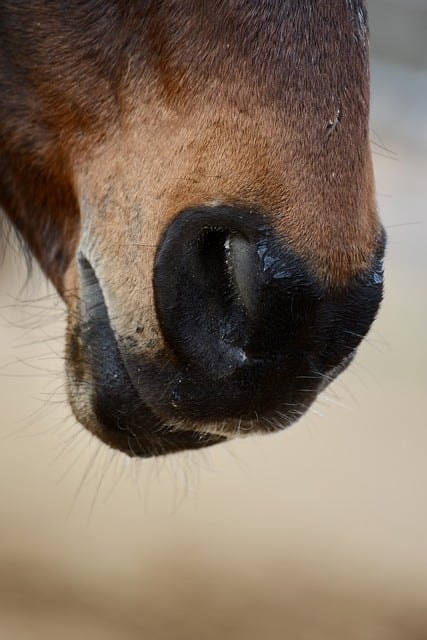
Coughing in horses is a natural reflex triggered by irritation of the airways. This reflex serves to remove foreign bodies such as dust, mucus, or microorganisms from the respiratory tract. Unlike humans, however, a horse coughs less frequently because it has a higher threshold for irritation. A cough reflex is only triggered when the airways are already significantly irritated or damaged. Therefore, every cough in horses should be taken seriously, as it often points to underlying respiratory diseases.
Infectious causes of coughing
Coughing in horses can be triggered by various infectious agents, including viruses, bacteria, and occasionally fungi. Among the most common viral infections that cause coughing are:
-
Equine influenza virus: A highly contagious disease that causes coughing, fever, and nasal discharge. Generally, equine influenza follows an acute course and requires prompt treatment.
-
Equine Herpesvirus (EHV): This virus is particularly dangerous because, in addition to respiratory diseases, it can cause neurological disorders and abortions in pregnant mares.
Bacterial infections often occur as secondary infections when the horse's immune system is already weakened by a viral illness. A common bacterial infection is strangles, a highly contagious disease that leads to severe coughing, fever, and swollen lymph nodes. Mycoplasmas are also often involved and cause respiratory infections.
Non-infectious causes of coughing in horses
While viral and bacterial infections lead to acute coughing, non-infectious causes occur far more frequently and are often chronic in nature. The most common non-infectious causes of coughing include:
-
Dust and mold: Dust that originates from bedding, hay, or feed in poorly ventilated stables is a primary cause of airway irritation. In particular, mold spores that can develop in damp hay or straw pose a risk.
-
Harmful gases like ammonia: Ammonia, which arises from horse urine, can irritate the airways and lead to serious illnesses over the long term.
-
Allergies: Some horses are allergic to dust, pollen, or mold, which can lead to chronic inflammation of the airways.
Symptoms of respiratory diseases in horses
Coughing is often the first sign of a respiratory disease, but there are other symptoms that can indicate a breathing problem. Typical signs include:
-
Nasal discharge: Clear, watery discharge points to a viral infection, whereas purulent discharge is a sign of bacterial involvement.
-
Increased respiratory rate: A horse taking more than 20 breaths per minute is suffering from shortness of breath.
-
Abnormal breathing sounds: Wheezing or rattling sounds during breathing indicate a narrowing of the airways.
-
Increased abdominal breathing: If the horse uses its abdominal muscles more intensely while breathing, this may point to a chronic or severe respiratory disease.
Chronic respiratory diseases: COB and RAO
One of the most common chronic respiratory diseases in horses is Chronic Obstructive Bronchitis (COB), also known as Recurrent Airway Obstruction (RAO) or "heaves." This disease is usually caused by long-term stress on the airways, particularly due to dust and mold. In this disease, the bronchi are chronically inflamed and narrowed, leading to persistent coughing, shortness of breath, and a significant reduction in performance.
RAO is not curable but can be managed through a low-dust environment and special feeds. Horses with RAO must be kept in optimal housing conditions for life to prevent further deterioration.
The role of stable hygiene in preventing coughing in a horse
One of the most effective measures for preventing coughing and other respiratory diseases in horses is a clean and well-ventilated stable environment. A horse kept in a poorly ventilated stable with high dust exposure is more likely to develop respiratory problems. The following measures can help improve stable hygiene:
-
Low-dust bedding: Use shavings or pellets to reduce dust levels. Avoid straw, which is often dusty and can contain mold spores.
-
Regular stall cleaning: Remove manure and damp bedding daily to reduce ammonia levels.
-
Good ventilation: Ensure the stable is well-ventilated, especially in winter when horses spend more time indoors. Open windows regularly or use ventilation systems.
Low-dust feeding: steaming or soaking hay
Horses consume a large portion of their food in the form of hay, which often contains a significant amount of dust particles. An effective method to reduce dust exposure is to soak or steam the hay. Steaming is particularly effective as it not only binds the dust but also kills potential mold spores.
Hay that has been treated in hot steam for 20 to 30 minutes contains significantly fewer harmful particles and is therefore better suited for horses with sensitive airways. Soaking is also a viable alternative but should be done immediately before feeding.
Training and exercise: support for the lungs
Regular exercise is essential not only for the muscles but also for the lung health of horses. Through exercise in the fresh air, the lungs expand to their maximum, which promotes the self-cleaning of the airways.
Horses that are outdoors daily and can move freely have a lower risk of developing chronic respiratory diseases. Gentle training can also help support the airways by stimulating mucus production and strengthening the immune system.
Nutrition and the immune system: strengthening the horse's defenses
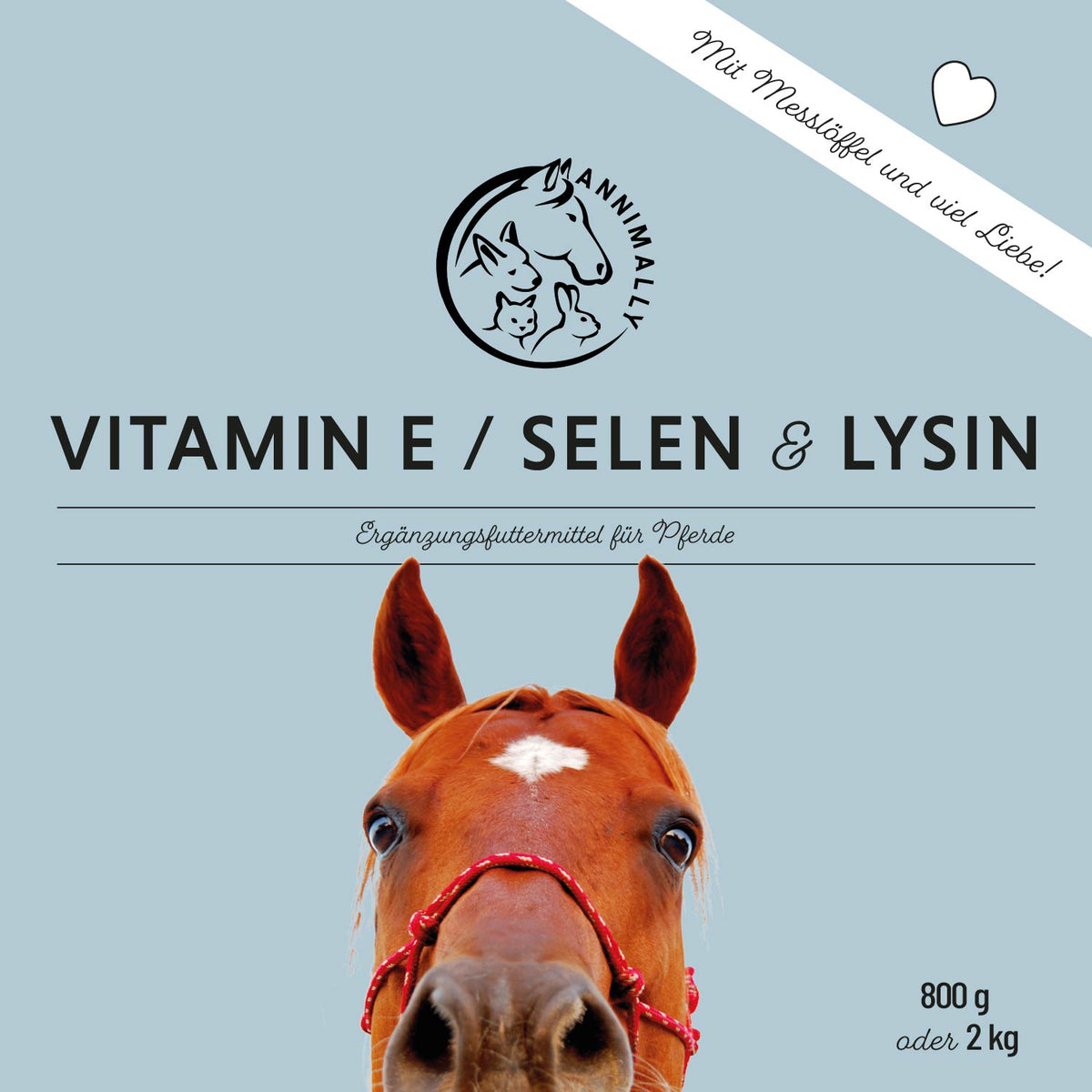
A strong immune system is the key to preventing infection and respiratory disease. A balanced diet, rich in vitamins and minerals, strengthens the body's defenses. Vitamins A, C, and E, in particular, as well as the trace element selenium, play an important role in respiratory health. They help to protect the mucous membranes and reduce inflammation.
Nutritional supplements for the horse can help compensate for nutrient deficiencies, especially in winter when fresh grass is unavailable. For this, our Multi Vital Powder is the perfect booster for your horse!
Additionally, it is important to ensure an adequate supply of roughage such as hay, as this supports digestion and the immune system.
Preventive measures against coughing in your horse
Preventing coughing and respiratory disease in your horse requires thoughtful and holistic stable management as well as careful care. It is particularly important to pay attention to a horse's environmental conditions, diet, and exercise to promote healthy lungs and airways. Below, the essential preventive measures are described in detail:
Low-dust bedding and regular stable cleaning
One of the greatest dangers to a horse's airways is the burden of dust in the bedding and air. Dust particles, especially in combination with ammonia from urine, can irritate the horse's airways and lead to coughing. Choosing the right bedding is therefore crucial. Shavings or straw pellets are ideal as they contain significantly less dust than conventional straw.
In addition, the stable should be cleaned regularly. Damp bedding should be removed immediately, as this not only releases dust and ammonia but can also promote mold growth. A clean stall protects the horse's lungs from stress and helps to prevent respiratory diseases.
Soaking or steaming hay to reduce dust exposure
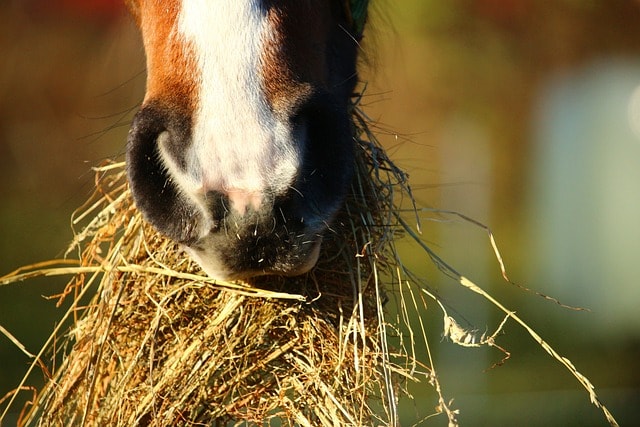
Feed, especially hay, is a common source of dust and mold spores. To reduce dust exposure, it is advisable to soak or steam it before feeding. When soaking, the hay is submerged in water for a short time to bind the dust particles. This is a simple and effective method to lower the dust content.
Steaming hay is even more effective, as this not only binds dust particles but also kills mold spores and bacteria. Steamed hay is particularly suitable for horses with chronic respiratory diseases such as chronic obstructive bronchitis (COB). The steam eliminates potentially irritating particles, which protects the horse's airways.
Good ventilation in the horse's stable
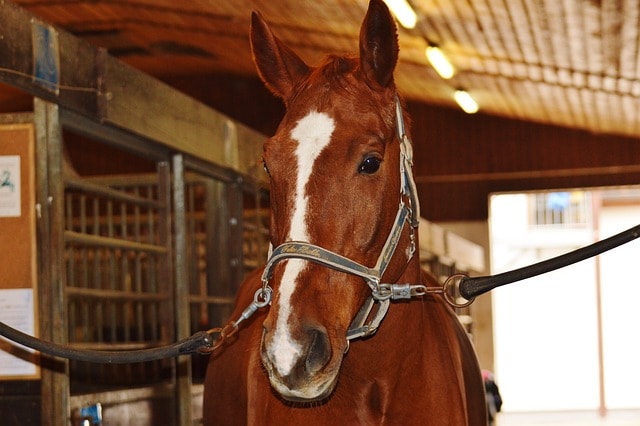
Another decisive factor in the prevention of respiratory diseases is the air quality in the stable. Good ventilation ensures that harmful gases like ammonia are removed from the breathing air and that fresh air is supplied. Especially in winter, when horses spend more time in the stable, continuous air circulation is important. It is recommended to open windows regularly or install ventilation systems to promote air exchange.
Horses housed in poorly ventilated stables have an increased risk of respiratory diseases, as pollutants and moisture in the air burden the lungs. Fresh, clean air is therefore one of the best protective mechanisms against coughing and respiratory issues.
Regular exercise in the fresh air
Exercise is essential for the lung health of the horse. Through regular physical activity, especially in the fresh air, the lungs are optimally ventilated. This natural "self-cleaning" of the lungs plays an important role in supporting lung function and reducing the risk of respiratory diseases and coughing.
A horse's lung is a highly sensitive organ that relies on experiencing maximum ventilation regularly through physical movement. Free-running in the pasture or daily training not only promotes general fitness but also maintains the horse's lung capacity. A lung that is well-perfused and kept free of mucus is better able to repel pollutants and prevent infections. For horses with existing respiratory diseases, exercise is therefore doubly important, as it not only supports recovery but also helps to maintain the full function of the lungs in the long term.
Support the immune system through a nutrient-rich diet
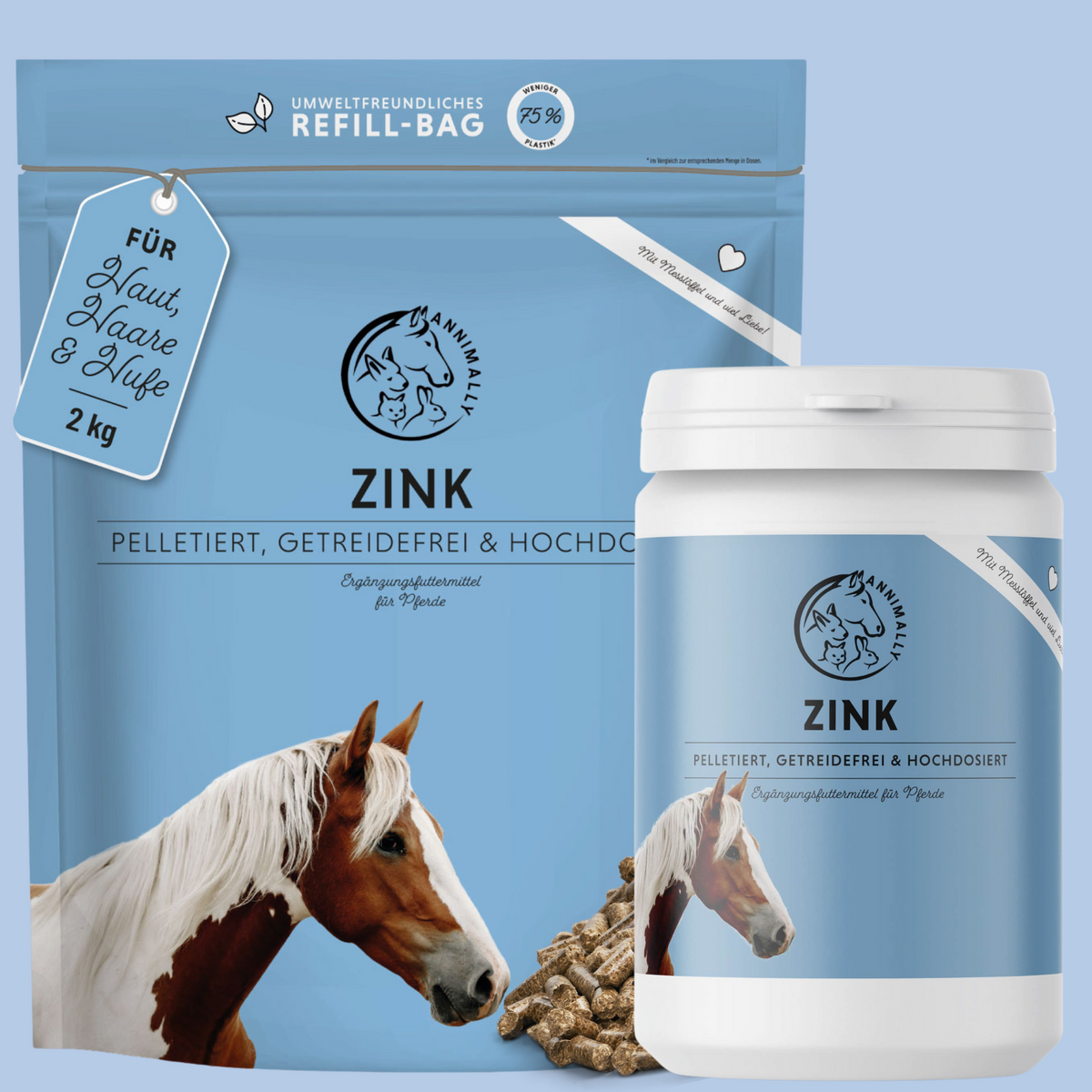
A balanced diet plays a significant role in the prevention of respiratory diseases. A healthy immune system can better repel respiratory infections and helps to avoid inflammation. In particular, vitamins such as A, C, and E, as well as trace elements such as selenium and zinc, should be supplied in sufficient quantities to strengthen the respiratory mucous membranes and support the immune system.
Omega-3 fatty acids, found in flaxseed or special feed supplements, can also have anti-inflammatory effects and promote lung health. Hay should always be available in sufficient quantity and of the best quality, as it represents the most important food source for horses.
Regular vaccinations for the horse
Infectious causes of coughing, such as equine influenza or equine herpesvirus, can be avoided through regular vaccinations. Vaccinations protect the horse not only from acute infections but also from potential complications and long-term damage that could be caused by these diseases. It is advisable to draw up a vaccination plan with your veterinarian that is adapted to the individual needs and risks of the horse.
When should a veterinarian be consulted?
Coughing in a horse can range from harmless irritation to serious illness. However, it is important to know when to consult a veterinarian to prevent deterioration of the condition. The following signs indicate that a veterinary examination is necessary:
-
Persistent or chronic coughing: If your horse has been coughing for more than two weeks or if the cough keeps recurring, you should call a veterinarian.
-
Fever or nasal discharge: These symptoms often indicate an infection that must be treated.
-
Shortness of breath or heavy breathing sounds: If the horse has difficulty breathing, makes wheezing sounds, or uses its abdominal muscles more intensely, this is an emergency requiring immediate medical attention.
Early diagnosis can help prevent serious complications and long-term damage to the airways.
Cough remedies and medication for horses
In some cases, especially with bacterial infections or chronic respiratory diseases, the use of medication for the horse may be necessary to alleviate the cough. Antibiotics are prescribed for bacterial infections, while anti-inflammatory drugs can help reduce inflammation in the airways.
Mucolytic agents can also be used to facilitate the removal of mucus.
However, it is important that cough remedies and other medications are only administered under the supervision of a veterinarian. While medication can alleviate symptoms, it does not always treat the underlying cause. Long-term healing generally requires a combination of medication, improved housing conditions, and an adapted diet.
Herbs for support with coughing in a horse
Herbs traditionally used in equine medicine offer natural support for treating coughs. Certain herbs have expectorant, anti-inflammatory, or soothing properties and can gently support a horse's respiratory tract. Here are some of the most effective herbs:
-
Thyme: Thyme has strong antiseptic and expectorant properties. It helps loosen stubborn mucus in the respiratory tract and supports the horse's lung function. Thyme can be prepared as a tea and mixed into the horse's feed.
-
Ivy: Ivy is traditionally used for coughs because it has expectorant and antispasmodic properties. It is particularly effective for dry coughs and supports the cleansing of the respiratory tract.
-
Fennel: Fennel has a soothing effect and promotes the clearance of mucus. Fennel can be given as a tea or mixed into feed in dried form.
-
Licorice: Licorice is a proven remedy for coughs and has a soothing effect on the mucous membranes. It helps reduce inflammation and relax the respiratory tract.
-
Anise: Anise supports mucus clearance and has an antispasmodic effect. It can be used in combination with other herbs like fennel or thyme to support the horse's respiratory tract.
However, these herbs should only be administered in consultation with a veterinarian or animal naturopath, especially if the horse is already taking medication.
Respiratory diseases in horses: Important facts about horse lungs
The horse's lung is a sensitive organ that can easily be damaged by environmental influences. Even the smallest dust particles can penetrate deep into the respiratory tract and trigger inflammation. Horses have impressive lung capacity and are able to inhale large amounts of air during training. However, this ability also makes them susceptible to respiratory irritation, especially in dusty or poorly ventilated environments.
Another important aspect is the slow healing process of the horse's lung. Once damaged, the respiratory tract often takes weeks or even months to regenerate. Therefore, it is particularly important to take early preventive measures and treat existing conditions consistently.
Avoiding chronic lung diseases
Chronic lung diseases such as asthma or RAO are particularly burdensome for horses and require lifelong care. Since these conditions often arise from years of respiratory strain, prevention is the best way to avoid them. This primarily includes creating a low-dust, well-ventilated environment, regular exercise, and a strong immune system through proper nutrition.
Horses with chronic respiratory diseases often require special care to prevent further deterioration. This includes regular veterinary check-ups, the use of inhalation devices, and consistent implementation of stable hygiene measures.
Summary
A cough in a horse should never be taken lightly. It can indicate a variety of causes, from harmless irritation to a serious respiratory disease. Early diagnosis and treatment are crucial to protect the horse's lungs and prevent permanent damage.