
Poisonous plants for horses – Recognizing and avoiding dangers in the pasture
As a horse owner or caretaker, you carry a great responsibility for the health of your animals. What many people don't know is that there are hidden dangers lurking in nature, in the stable, and on meadows and pastures – plants that are toxic to horses. Even plants that bloom beautifully or are popular in gardens can be life-threatening to your horse.
In this comprehensive article, you will learn everything you need to know about poisonous plants for horses: which plants are toxic to horses, how to recognize them, what symptoms occur in the event of poisoning, and tips to help you protect your horse.
Perfect for anyone involved with horses, foals, or horse pastures – whether in the stable, in the paddock, or in a private garden.
Why are poisonous plants a problem for horses?
Horses are grazing animals – they eat for many hours a day, both in the paddock and while grazing in the meadow. In the process, they consume not only grasses but sometimes also poisonous plants, often without even realizing it. Plant toxins can hide in nature, on poorly maintained pastures, or even in hay and silage.
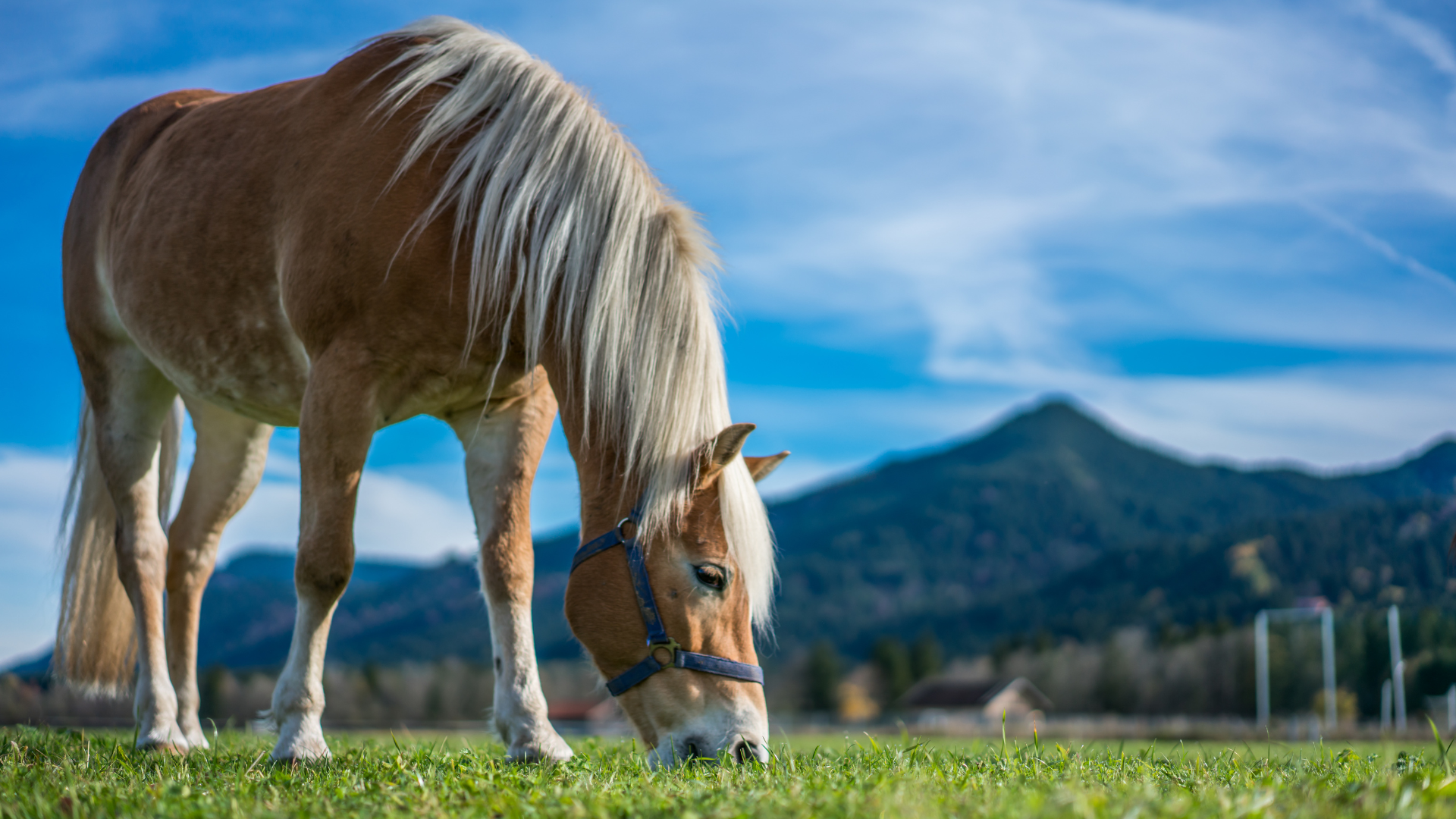
Some plants do not lose their toxicity when dried, while others are particularly dangerous during their flowering season. Many of these poisonous plants for horses are persistent, multiply rapidly, and are difficult to eradicate. The result: poisoning in horses with symptoms such as colic, tremors, and behavioral changes – in the worst case, consumption can even be fatal.
Dangerous plants for horses – the top 12 poisonous plants
Here you will find the most important poisonous plants.
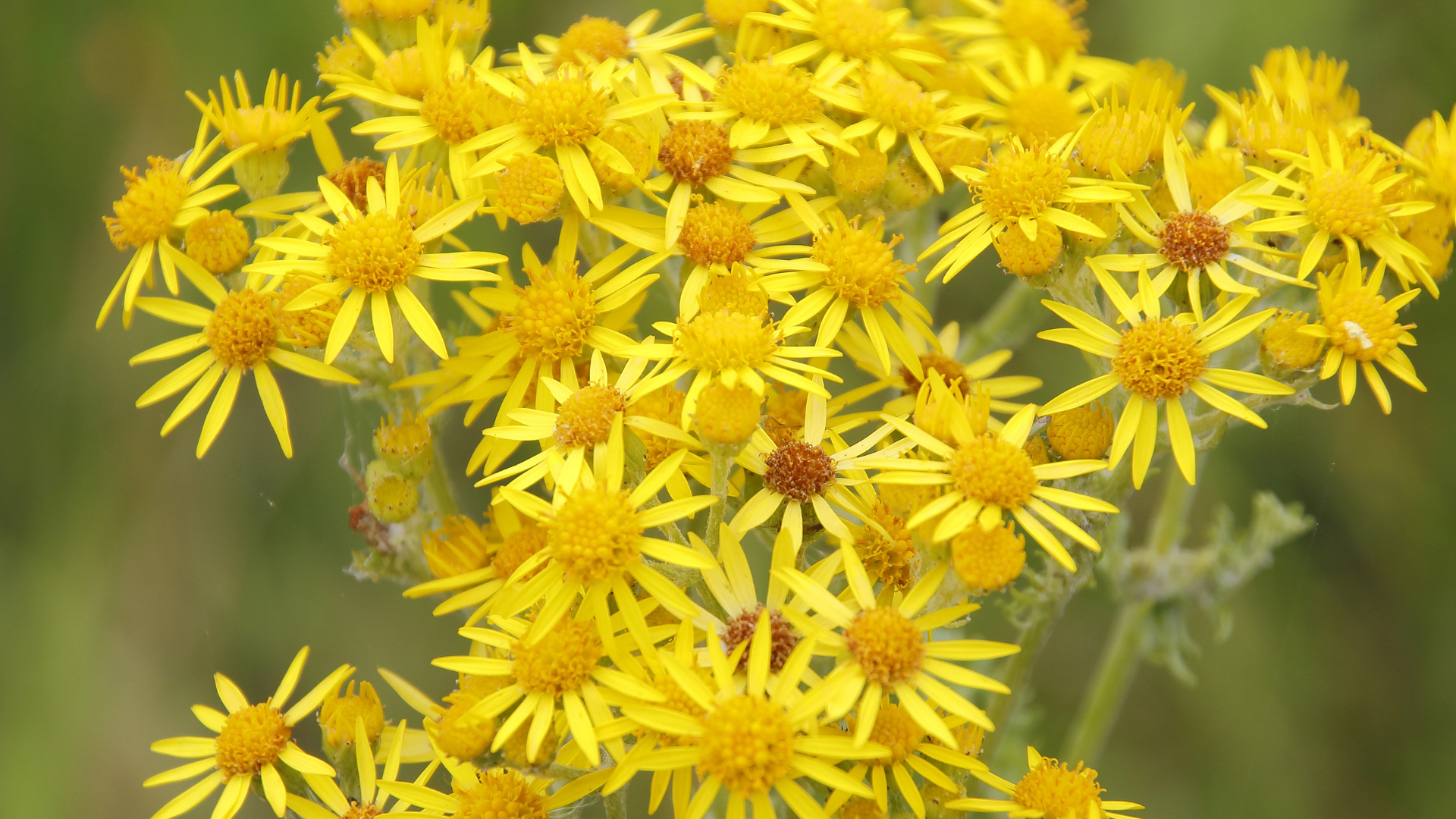
1. Common Ragwort
-
Danger: Highly toxic (pyrrolizidine alkaloids)
-
Occurrence: Roadsides, meadows, pastures
-
Symptoms: Liver damage, weight loss, coordination disorders
-
Special note: Highly dangerous even when dried (hay!)
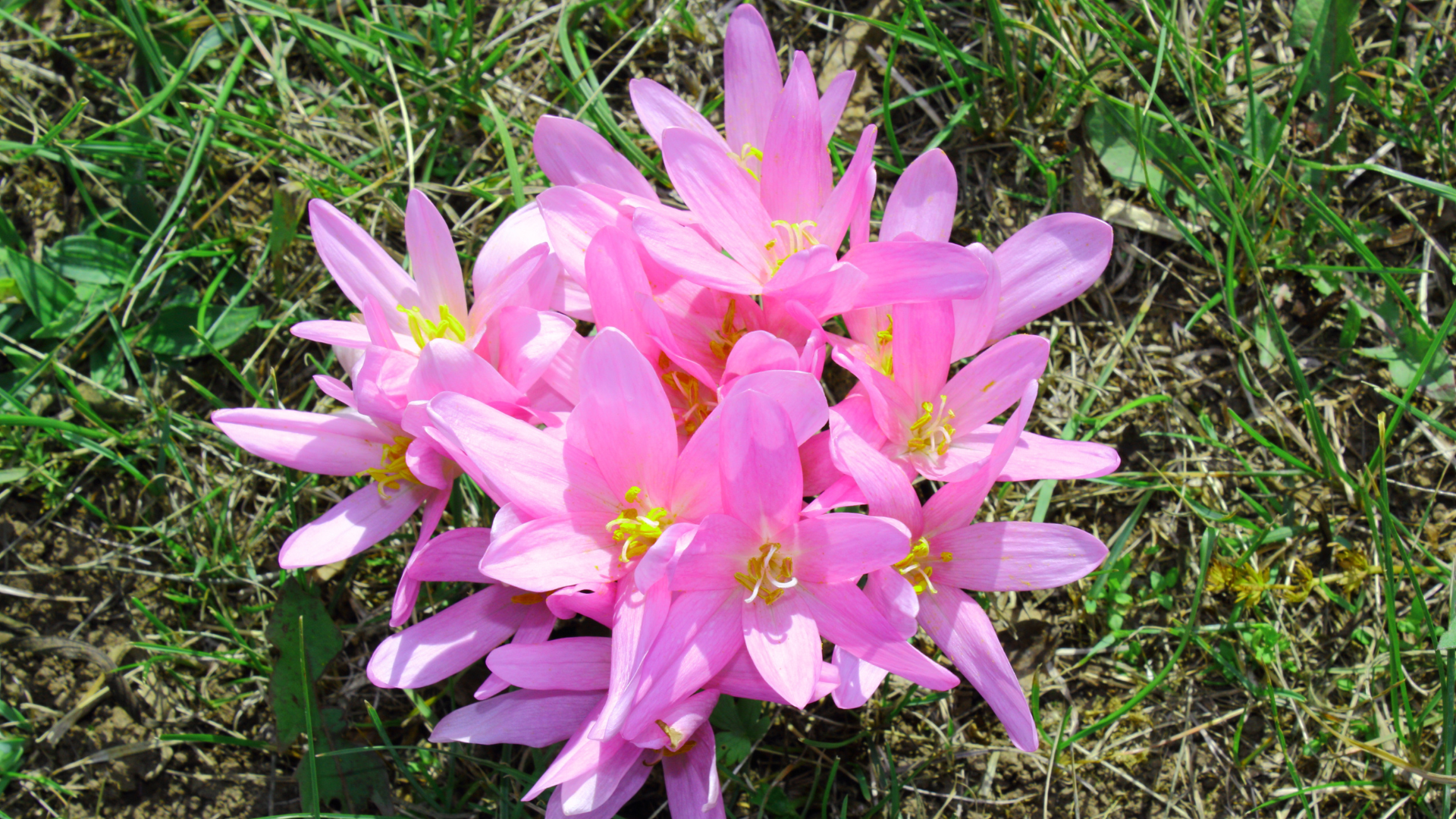
2. Autumn Crocus
-
Danger: Very toxic
-
Toxin: Colchicine
-
Occurrence: Damp meadows, especially in spring and autumn
-
Symptoms: Colic, paralysis, death
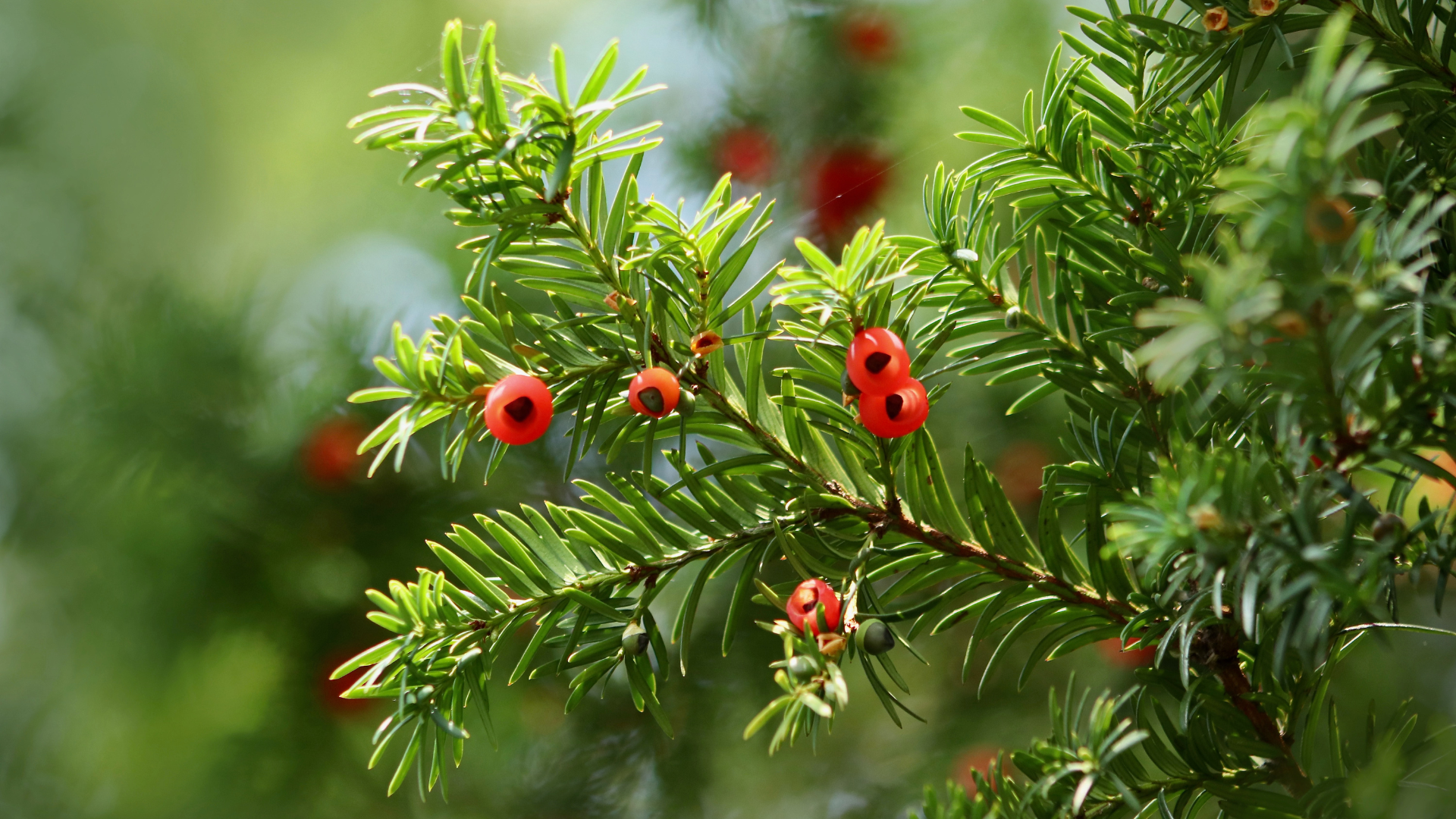
3. Yew
-
Danger: Extremely toxic – even the smallest amounts are lethal
-
Parts: Needles, seeds, bark
-
Symptoms: Sudden death without warning
-
Planted as a hedge in many gardens
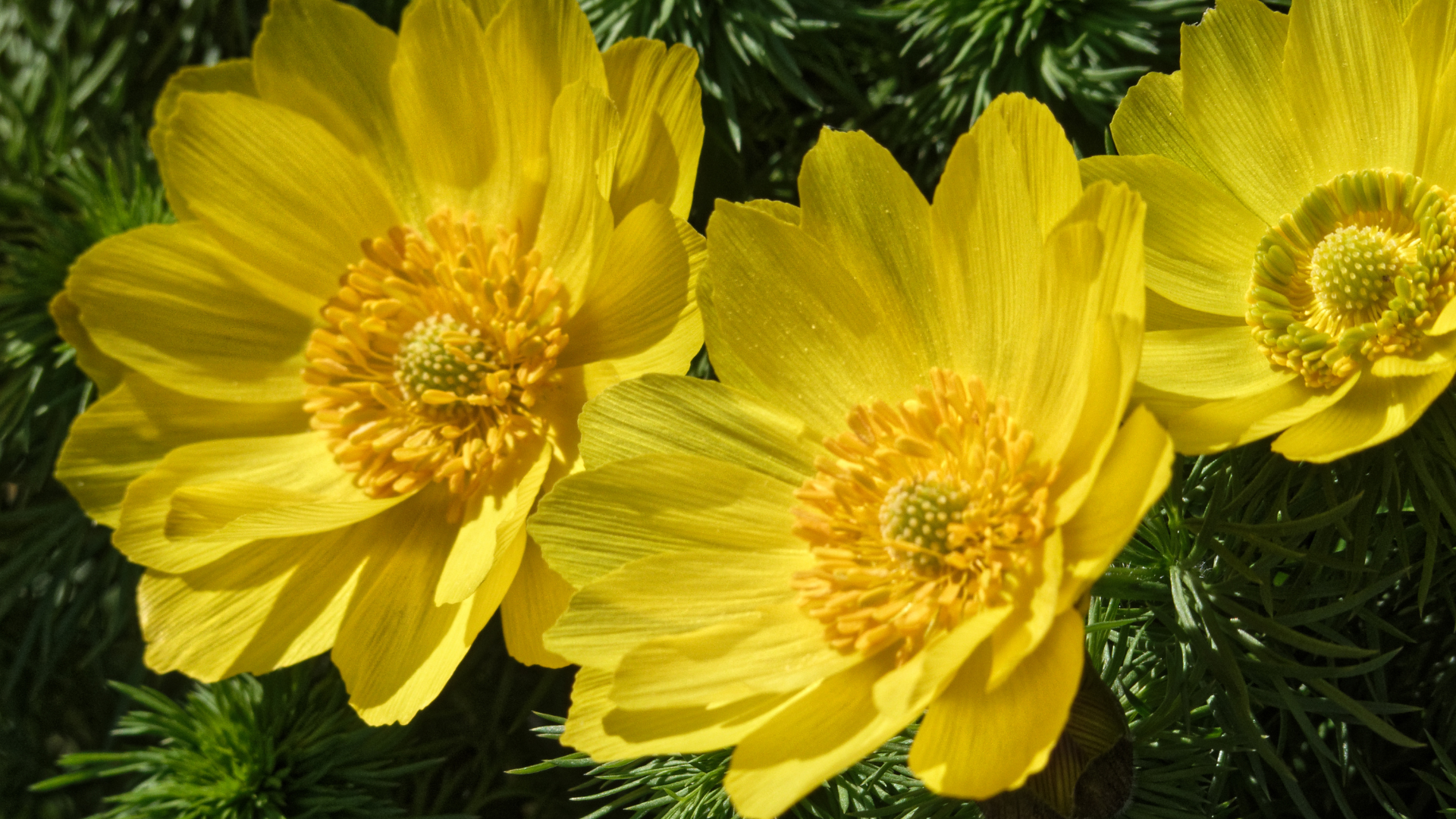
4. Pheasant's Eye
-
Toxin: Cardiac glycosides
-
Symptoms: Cardiac arrhythmia, breathing difficulties
-
Occurrence: Dry grasslands, forest clearings
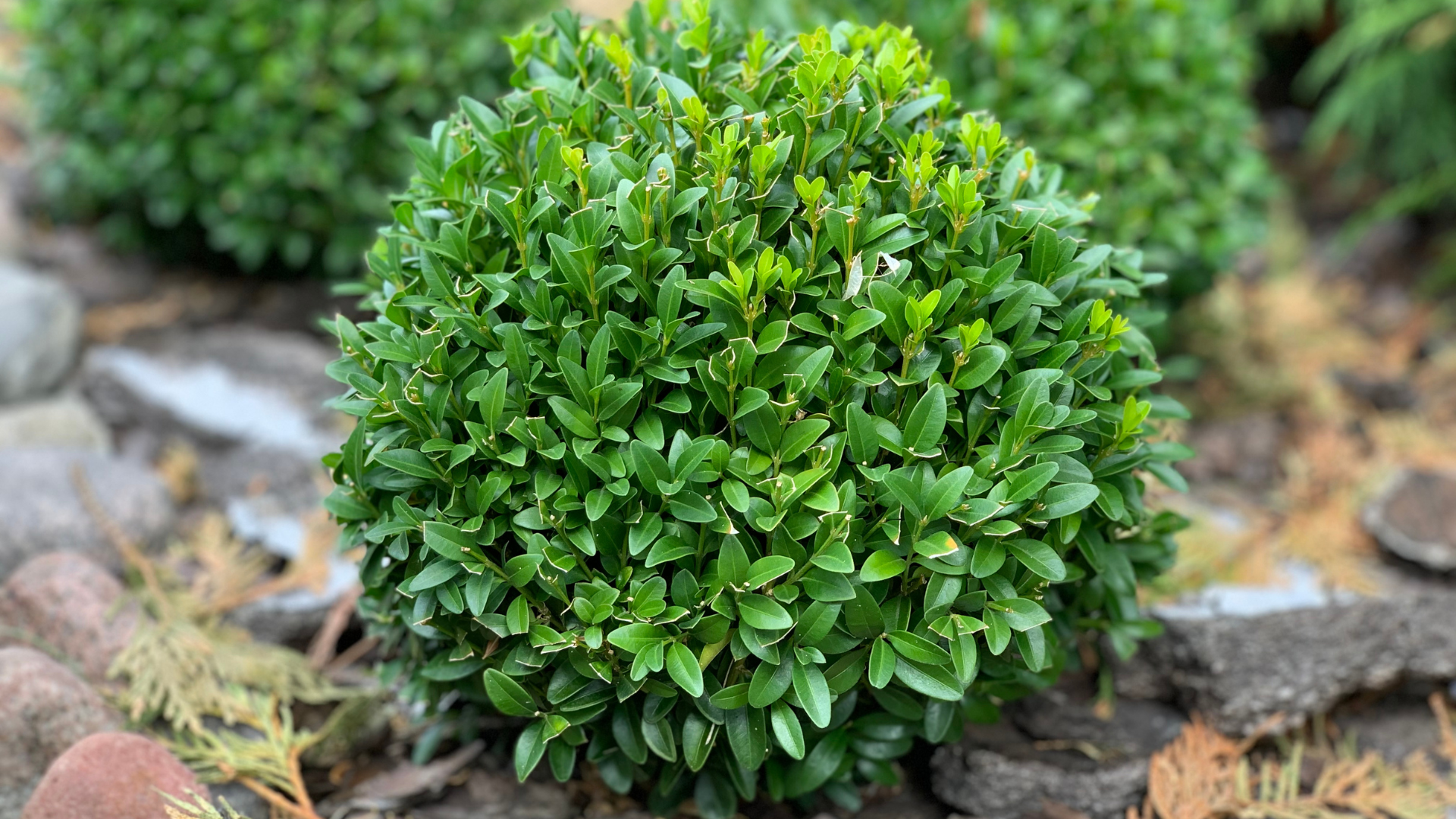
5. Boxwood
-
Danger: Toxic to horses, especially the leaves
-
Occurrence: Fences, hedges, gardens
-
Symptoms: Cramps, shortness of breath, death in high doses
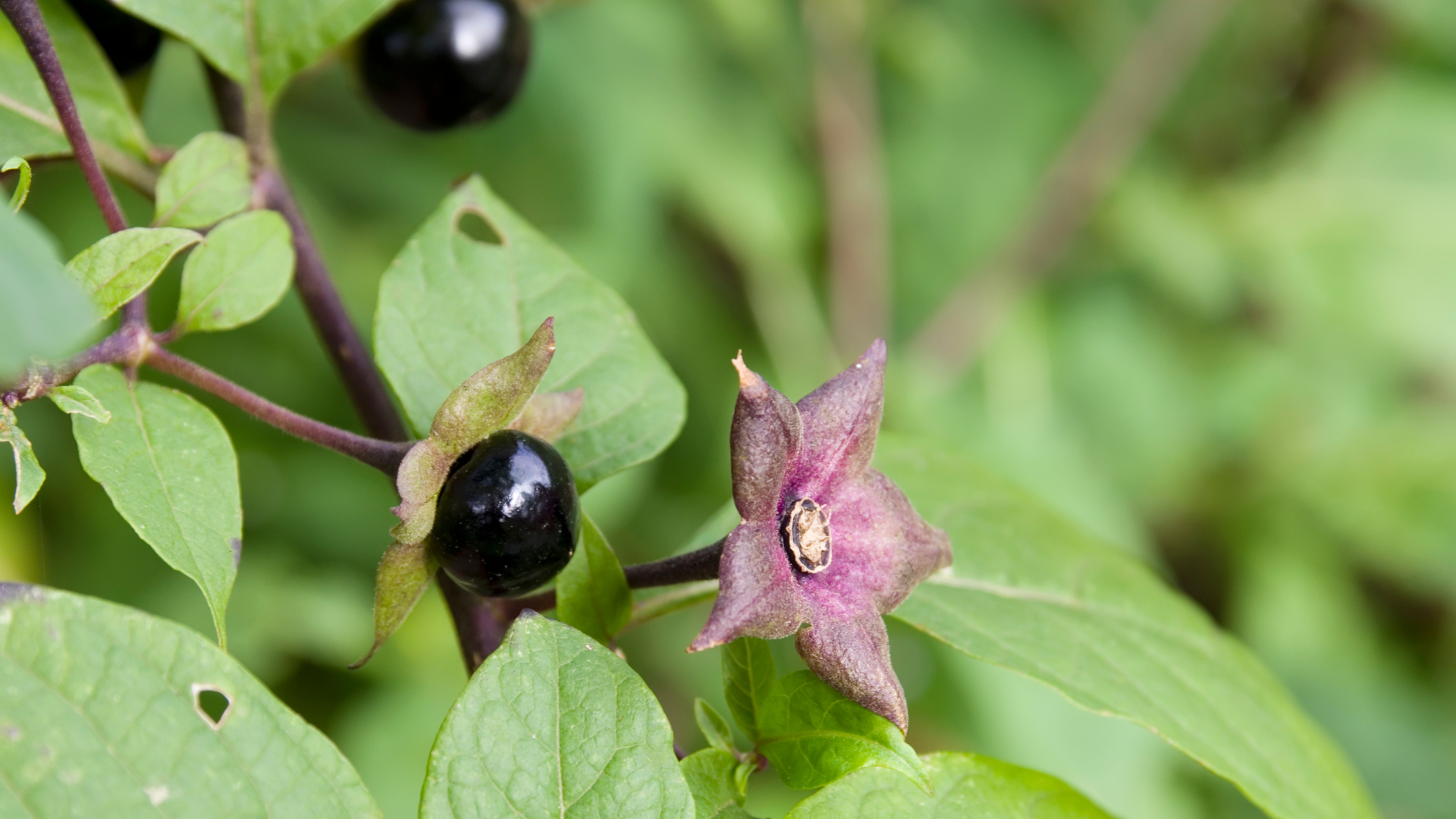
6. Deadly Nightshade
-
Toxin: Atropine
-
Effect: Agitation, cramps, paralysis
7. Laburnum
-
Toxin: Cytisine
-
Symptoms: Tremors, paralysis, death
Note: This article is not a substitute for veterinary advice. If you suspect poisoning, always contact a veterinarian immediately!