


Dog has blood in urine: causes, symptoms and tips
If your dog has blood in their urine, it is a worrying sign that you should never ignore. Blood in the urine, also known as hematuria, can indicate a variety of health problems. These range from more harmless causes that are easy to treat to serious conditions that require prompt veterinary assistance.
In this article, you will learn everything you need to know about the various causes of blood in a dog's urine, how to recognize this symptom early on, and what steps you should take to help your dog as best as possible and protect their health.
What does blood in a dog's urine mean?
If your dog has blood in their urine, it means that there are red blood cells in the urine and urinary tract. This can lead to a slight pink discoloration or a distinctly red coloring of the urine. It is important to know that blood in the urine is not a standalone symptom, but an indication of an underlying disease or injury in the urinary tract. Depending on the cause, it may be necessary to see a veterinarian immediately to prevent more serious problems in your dog's urinary tract.
How can you recognize blood in your dog's urine?
Blood in the urine can appear in different ways. It may discolor the entire urine sample or appear only at the end of the urination process. The amount of blood can also vary. Pay attention to these signs:
-
Reddish or brown discoloration of your dog's urine
-
Drops of blood at the end of the urination process
-
Difficulty or pain when urinating
Sometimes the blood is not visible to the naked eye and can only be detected through a urine test. Therefore, it is advisable to check your dog's urine regularly.
Common causes of blood in a dog's urine
There can be many causes for blood in a dog's urine. Here are the most common ones:
Urinary tract infections (bladder infections) in dogs
One of the most common causes of blood in a dog's urine is a urinary tract infection, especially in female dogs. Bacteria can enter the urethra and bladder and cause inflammation, which can lead to bloody urine.
Symptoms of a urinary tract infection:
-
Frequent urination
-
Painful urination
-
Cloudy or foul-smelling urine
A urinary tract infection can be treated with antibiotics. The veterinarian will usually take a urine sample to determine the type of bacteria and prescribe the appropriate medication.
Bladder stones or urinary stones
Bladder or urinary stones are another common cause of blood in the urine in dogs. These stones are formed by the accumulation of minerals and crystals in the dog's urinary tract, which can lead to irritation and bleeding. In severe cases, the stones can block the flow of urine, which leads to life-threatening conditions in dogs.
Symptoms of bladder stones:
-
Difficulty urinating
-
Frequent urge to urinate, but only small amounts of urine
-
Lower abdominal pain
Bladder stones can be dissolved through a special diet, but in more severe cases, surgery is required.
Injuries and trauma in dogs
Sometimes, blood in a dog's urine can be caused by an injury to the urinary tract, bladder, or kidneys. This can happen if your dog has had an accident, fallen onto a blunt object, or been injured by an external impact.
Tumors and cancer
Blood in your dog's urine can also be a sign of bladder cancer or other tumors in the urinary tract. Tumors can damage the surrounding tissue and lead to bleeding. The risk of such diseases is higher in older dogs.
Symptoms of tumors:
-
Blood in the urine that keeps recurring
-
Weight loss
-
Loss of appetite
If you suspect that a tumor is the cause, the veterinarian should perform a thorough examination to reach an accurate diagnosis.
Kidney disease
Blood in a dog's urine can also indicate kidney disease. Kidney inflammation or infections can damage kidney tissue, leading to bleeding and bloody urine. A quick diagnosis is important here to avoid permanent kidney damage.
Which dog breeds are particularly at risk?
Some dog breeds have a higher risk of developing blood in the urine, especially those prone to bladder stones or urinary tract problems. These include:
-
Dalmatians (due to their tendency for urinary stones)

-
Bulldogs

-
Pugs

-
Shih Tzus

Breed-specific tendencies toward certain diseases make regular veterinary check-ups all the more important.
When should you go to the veterinarian?
Blood in your dog's urine should always be seen as a warning sign that requires veterinary examination. Even if the symptom occurs only once or with low intensity, it can indicate serious health problems that may get worse without treatment.
It is not advisable to wait and hope that the problem resolves on its own. On the contrary, the longer you wait, the greater the risk that the cause will worsen and become more difficult to treat.
There are certain signs that indicate you should see a veterinarian immediately:
-
Frequent urination: If your dog suddenly has to urinate much more frequently, this could indicate a urinary tract infection or bladder problems.
-
Pain during urination: Do you observe your dog yelping or being restless while urinating? Pain during urination can be a sign of inflammation, stones, or another disorder in the urinary tract.
-
Dark red or brownish urine: Significantly discolored urine that appears almost black or very dark red can indicate serious diseases such as internal bleeding or tumors.
-
Loss of appetite and lethargy: If bloody urination is combined with general listlessness, lack of appetite, or even fever, this indicates an advanced disease that must be treated quickly.
Even if your dog shows no other symptoms besides hematuria, a veterinarian should be consulted. Some serious illnesses, such as bladder cancer, only show very subtle signs at first. An experienced veterinarian will conduct a thorough examination and use urine samples, blood tests, or imaging procedures like ultrasound or X-rays as needed to find the exact cause.
The earlier you visit the veterinarian, the sooner treatment can begin, and the better the chances that your dog will make a full recovery.
Diagnostic options at the vet
The veterinarian will perform various tests to determine the cause of the blood in the dog's urine:
-
Urinalysis: A urinalysis is the first step. The urine is checked for blood, bacteria, crystals, and other abnormalities. In addition, a urine culture can be performed to determine the type of bacteria.
-
Ultrasound and X-rays: With ultrasound or X-rays, the veterinarian can look for stones, tumors, or injuries in the urinary tract.
-
Blood test: A blood test can provide information about your dog's general state of health and provide signs of kidney disease or infections.
Treatment options for blood in the urine
The treatment for blood in the urine depends on the cause. Here are some common approaches:
-
Antibiotics for infections: If a urinary tract infection is the cause, the vet will prescribe antibiotics. These should always be administered as directed to eliminate the infection completely.
-
Special diets for bladder stones: Bladder stones can often be dissolved through a special diet. These diets contain fewer minerals that contribute to stone formation and help regulate the pH of the urine.
-
Surgery for severe cases: In severe cases, such as with large bladder stones or tumors, surgery may be necessary to resolve the cause of the bleeding.
-
Pain relief and fluid therapy: Pain medication can provide your dog with relief, especially if they are suffering from pain during urination. In some cases, fluid therapy (e.g., via IVs) may also be necessary to flush the urinary tract and support healing.
How can you prevent blood in your dog's urine?
There are a few steps you can take to reduce the risk of urinary tract infections, bladder stones, and other problems:
-
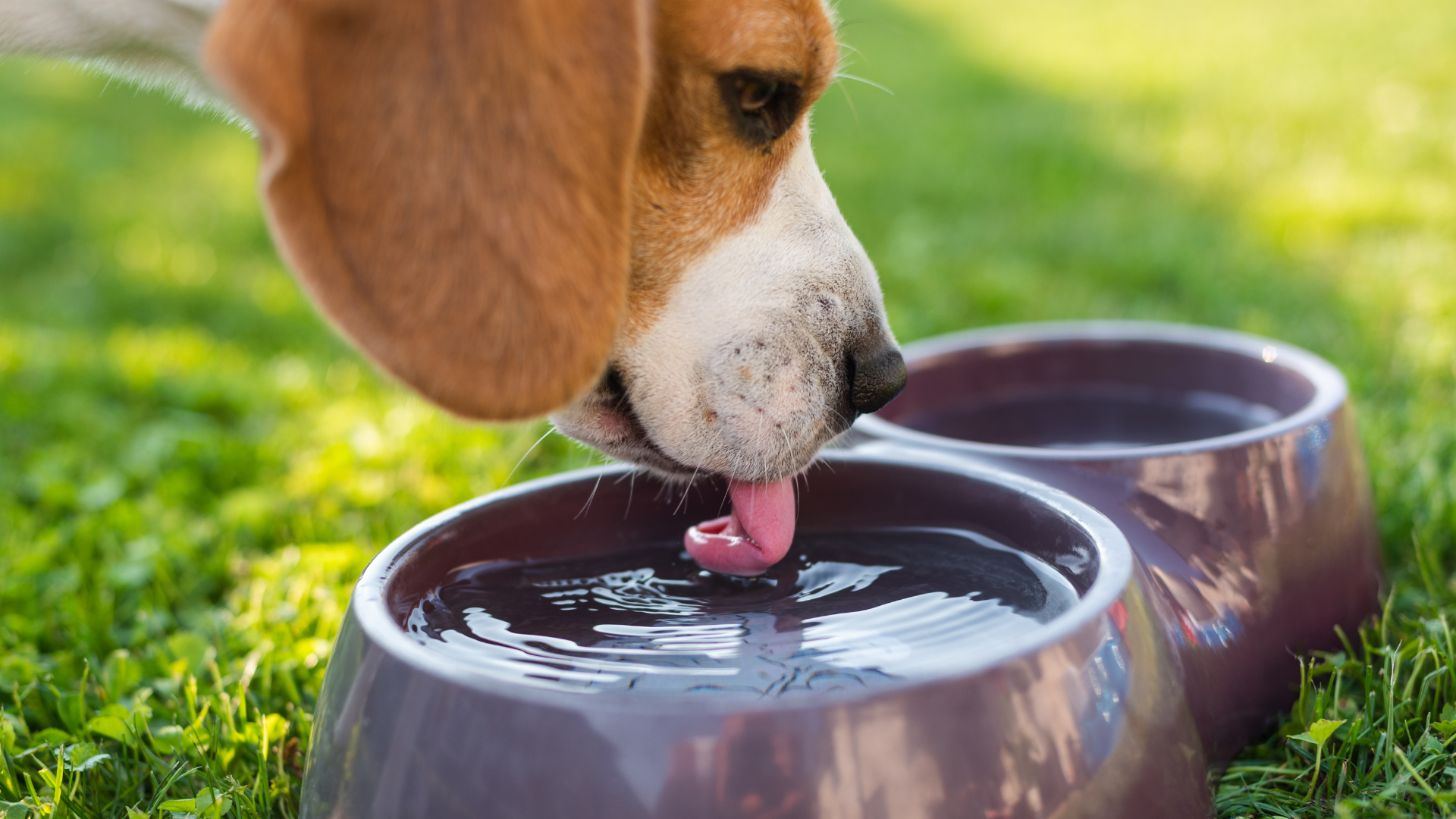
Ensure plenty of water intake: Make sure your dog always has enough fresh water available. Sufficient fluid intake helps to dilute the urine and reduce the risk of bladder stones.
-
Regular potty breaks: Avoid letting your dog hold their urine for too long. Regular walks and toilet breaks are important to keep the urinary tract healthy.
-
High-quality food: Feed your dog high-quality food tailored to their specific needs. Some types of food are designed to regulate the pH of the urine and lower the risk of bladder stones.
-
Regular vet visits: Regular visits to the veterinarian can help detect and treat problems early before they become serious. Make sure your dog's urine is also checked regularly.
Home remedies: What you can do at home
There are a few home remedies that can be used alongside veterinary therapy to support your dog's urinary tract:
-
Cranberry juice: Some dog owners swear by the effect of cranberry juice, which is said to help prevent urinary tract infections.

-
Herbal teas: Teas made from bearberry leaves or goldenrod can support kidney function.
Before you use any home remedies, you should always consult with your veterinarian.
Conclusion: Blood in a dog's urine is an alarm signal
Blood in a dog's urine is not a symptom you should take lightly. It is always an alarm signal indicating that something is wrong in your dog's body. The possible causes range from simple, easily treatable urinary tract infections, such as a bladder infection, to more serious conditions like bladder stones, tumors, or kidney damage. Bladder infections, in particular, are common in dogs and should be treated promptly to avoid complications. In any case, it is important to take the symptom seriously and act quickly to protect your dog's well-being.
The key to successfully treating blood in a dog's urine lies in a quick and accurate diagnosis. As soon as you notice blood in your dog's urine, you should not hesitate to consult a veterinarian. A bladder infection, for example, can be easily detected through a urine test and treated with antibiotics. The earlier the cause is identified, the better the chances of a full recovery.
In many cases, simple measures such as antibiotic treatment or a change in diet can restore your dog's health. In cases of more serious illnesses, such as tumors or kidney damage, an early diagnosis can save your dog's life.
Also remember to take preventive measures to minimize the risk of urinary tract problems, including bladder infections, in your dog. Sufficient water intake plays a key role here, as it flushes out your dog's urinary tract and reduces the risk of infections and bladder stones. Regular potty breaks prevent bacteria from accumulating in the bladder and triggering a bladder infection.
A balanced diet tailored to your dog's needs can also help reduce the risk of urinary tract problems. In addition, regular veterinary check-ups are crucial for detecting health problems or infections early on.
Blood in the urine is always a sign that something is wrong – and it is up to you to take the necessary steps to provide your dog with the best possible care and treatment. A bladder infection detected and treated in a timely manner, in particular, can spare your dog a lot of suffering. So be sure to check your dog's health regularly to ensure they stay happy and healthy for a long time.