
Can Dogs Eat Corn? Everything You Need to Know
Many dog owners ask themselves: Can dogs eat corn? In fact, corn is often a common ingredient in commercial dog food. But what about its unprocessed form? Is the vegetable safe for dogs, and what benefits or risks are associated with it?
In this comprehensive guide, we clarify whether dogs can eat corn and which aspects you should consider so that you can make an informed decision.
Can my dog eat corn?
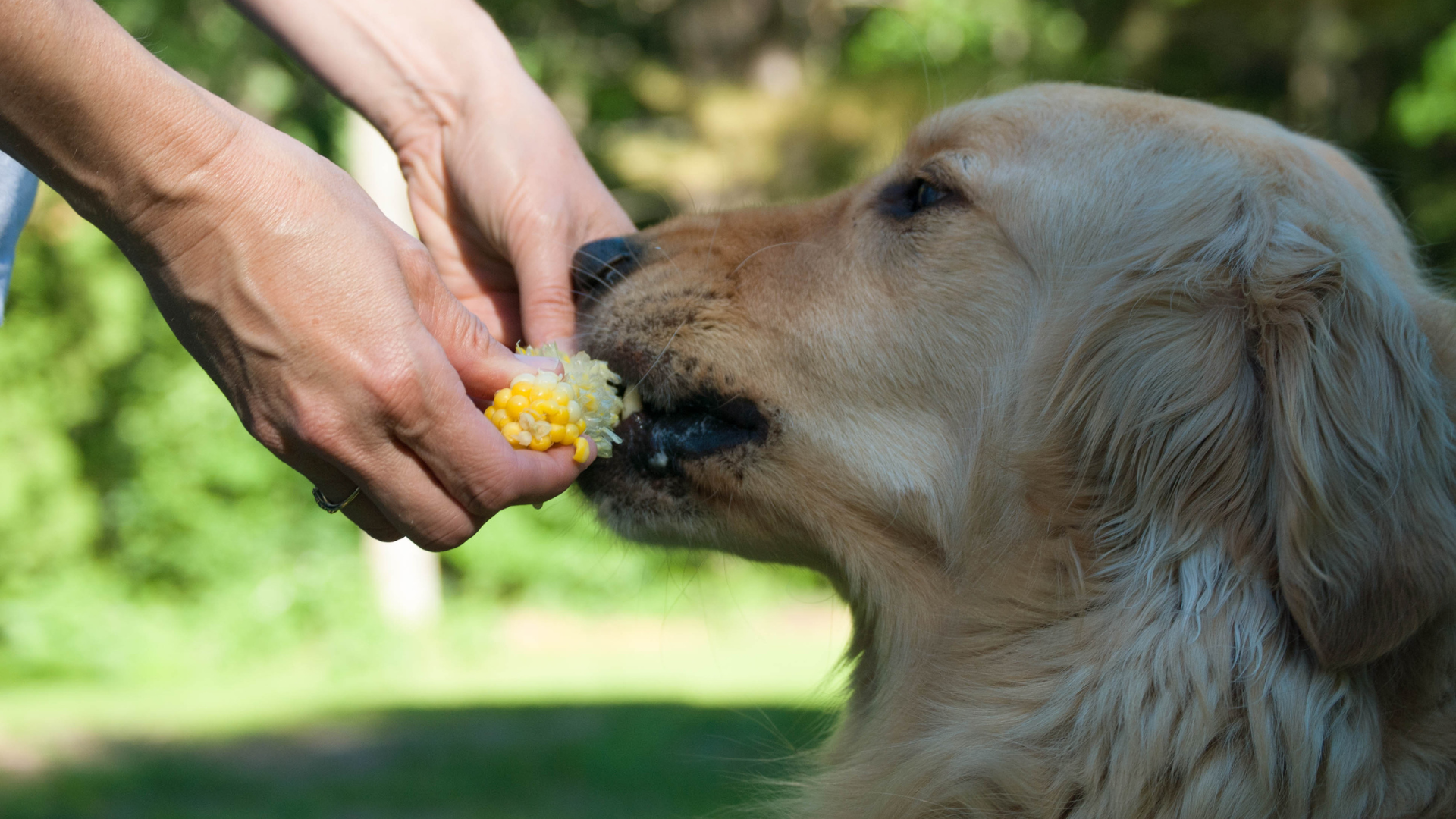
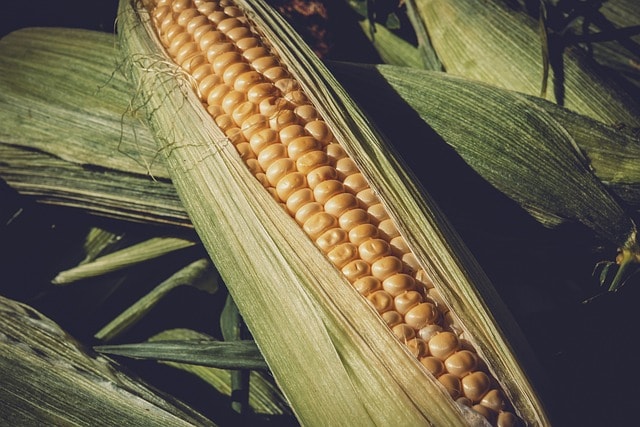
The answer is: Yes, dogs can eat corn in moderate amounts. Corn is not toxic to dogs and can even offer some health benefits. It is a good source of carbohydrates, fiber, vitamins (such as B vitamins), and minerals (magnesium, potassium). These nutrients can provide your dog with energy, support digestion, and strengthen the immune system. However, corn should always be fed in the right form and not become an excessive part of their diet.
What are the benefits of corn for dogs?
Dogs benefit in particular from the carbohydrates that corn provides. These are an important source of energy, especially for active dogs. Fiber also promotes healthy digestion, which can be advantageous for dogs prone to constipation. The B vitamins contained also support the dog's metabolism and nervous system. However, it is important to ensure a balanced diet in which corn is only a small component.
Canned corn or fresh corn: Which is better for dogs?
Fresh corn is generally better suited than canned corn. This is because canned corn often contains sugar, salt, or preservatives that are not good for dogs. If you decide to include corn in your dog's diet, it is recommended to use fresh corn and cook it well. This ensures that your dog can absorb the nutrients better and minimizes the risk of digestive issues.
If you still use canned corn, make sure it is without added salt or sugar. These additives can be harmful to dogs and lead to gastrointestinal problems.
Dangers of a gastrointestinal obstruction from corn cobs
An important question that keeps coming up is: Can dogs eat corn cobs? The answer is a clear no. They pose a serious danger to dogs. If dogs try to chew on the cob, they can easily swallow pieces of it. These pieces can cause a gastrointestinal obstruction, leading to life-threatening complications. An intestinal obstruction can only be resolved through surgery and is associated with severe pain and significant risks for the dog. Therefore, corn cobs should always be kept out of the dog's reach.
Signs of a gastrointestinal obstruction in dogs
A gastrointestinal obstruction (also called intestinal obstruction) poses a serious threat to a dog's health if it swallows indigestible foreign objects like corn cobs. When chewing on them, dogs can break off and swallow larger pieces, which then block the intestine. This condition is extremely dangerous as it hinders blood circulation in the intestine and, in the worst case, can lead to tissue death. The typical symptoms of a gastrointestinal obstruction are varied and should by no means be ignored.
Signs that point to a gastrointestinal obstruction include, among others:
-
Severe vomiting, often associated with attempts to vomit without anything coming up.
-
Increased salivation and difficulty swallowing.
-
Abdominal pain: Dogs often tuck their legs or react sensitively when their belly is touched.
-
Loss of appetite: The dog refuses food and shows general lethargy.
-
Constipation or difficulty passing stool: Bloody stool or diarrhea can also occur.
An untreated gastrointestinal obstruction can become life-threatening within a few hours. Therefore, a veterinarian should be consulted immediately if you suspect that your dog has swallowed a corn cob or other indigestible objects.
Corn in dog food: Good or bad?
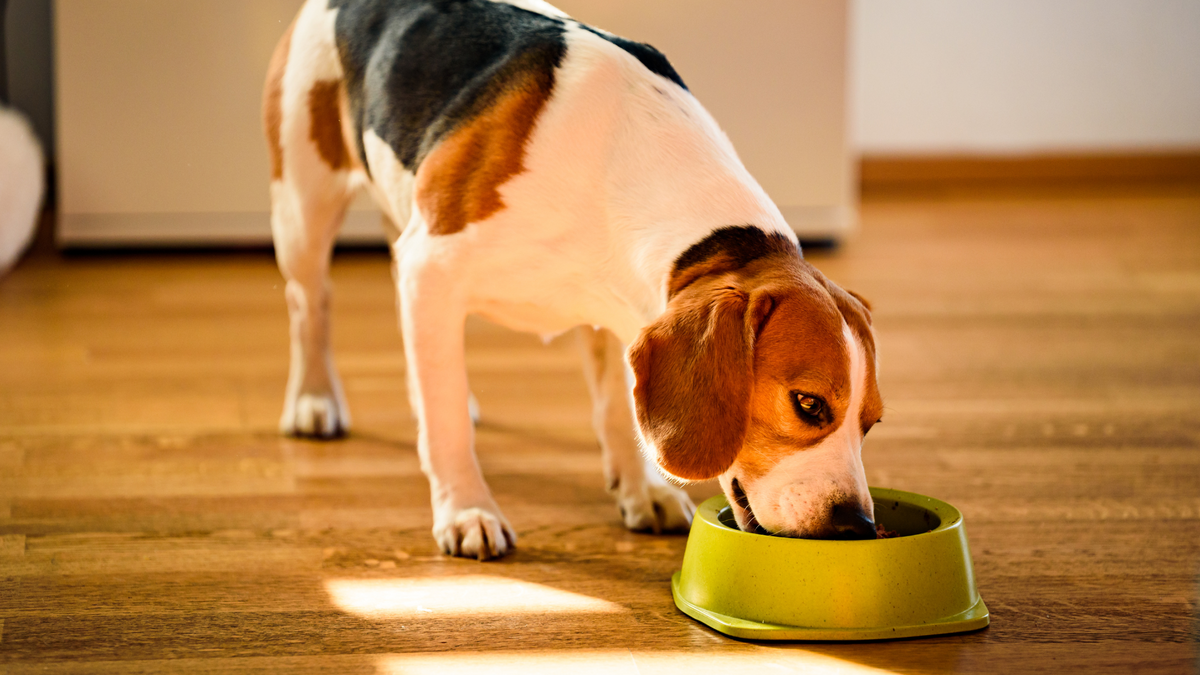
Many commercial dog foods contain corn as a main ingredient. This is often because it is a cheap and readily available source of carbohydrates. In moderate amounts, corn in food is safe for dogs. However, there is also criticism that it is frequently used as a cheap filler, which can reduce the nutritional value of the food. While corn provides energy and some vitamins, it cannot be a substitute for high-quality protein from meat, which is particularly important for dogs.
Nevertheless, corn in appropriate amounts is not a problem and can be part of a balanced diet. It is important to pay attention to the overall composition of the food and ensure that it contains all necessary nutrients.
How should corn be prepared for dogs?
If you decide to feed your dog corn, it is essential to prepare it correctly. If it is raw, it is difficult for a dog to digest because their digestive systems are not designed to break down plant cell walls. Therefore, corn should always be cooked or pureed to increase digestibility. When cooked, it is soft and easily digestible, allowing the dog to optimally absorb the nutrients it contains.
It is also important to serve the corn without any spices, butter, or salt. These additives, which humans often use to refine it, can cause digestive problems in dogs or even act as toxins. Salt can disrupt the dog's electrolyte balance, and spices like garlic or onion powder are poisonous to dogs. Even butter, which may seem harmless at first glance, can lead to digestive issues like diarrhea in dogs, as many dogs do not tolerate lactose well.
For easier nutrient absorption, you can also puree the corn and offer it in small amounts as an addition to a normal meal. Furthermore, it can serve as a treat or occasionally supplement the dog food, but it should never make up the main part of the diet.
Can dogs eat corn if they have a grain allergy?
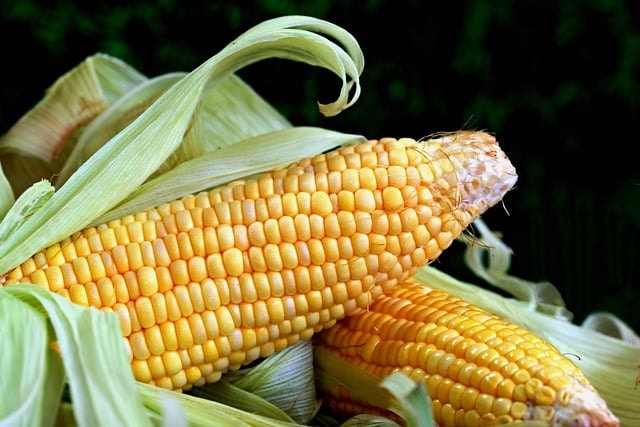
For dogs suffering from a grain allergy, the question arises whether they can safely eat corn, especially since it is frequently used in grain-free dog food as a carbohydrate source. Corn is naturally gluten-free, which is why it is used in many dog foods suitable for dogs with gluten intolerance. However, it can happen that a dog might still react sensitively to it, even if it does not contain gluten.
A grain allergy in dogs often manifests through symptoms such as skin irritation, itching, gastrointestinal issues, or diarrhea. If you suspect that your dog is allergic to grain or corn, it is advisable to feed it in small amounts at first and observe closely whether symptoms appear. In case of an allergic reaction, it should be avoided completely.
Conclusion: Can dogs eat corn?
In summary, dogs can generally tolerate consuming corn kernels as long as they are prepared correctly and fed in appropriate amounts. Cooked corn kernels are a valuable addition to the diet as they are rich in carbohydrates as well as important nutrients like fiber, vitamins, and minerals. These ingredients promote digestion and provide extra energy, which can be particularly advantageous for an active dog.
Nevertheless, caution is required. A dog may only enjoy cooked corn in moderation and should under no circumstances have access to corn cobs, as these can lead to dangerous gastrointestinal obstructions. These are indigestible and can cause serious complications that require emergency surgery.
Corn kernels should always be served without any additives like salt, butter, or spices, as these can be harmful. In particular, a dog with a grain intolerance or allergy should only be fed corn with caution and under observation, as allergic reactions can occur in rare cases. Therefore, observe your dog closely after consumption and consult a veterinarian if there are any signs of intolerance or uncertainties.