
Fever in Dogs: Everything You Need to Know
Fever in dogs can be a serious sign that your furry friend is experiencing health problems. When does a dog have a fever?
This question is crucial because fever can indicate an illness that should be treated immediately. Conditions such as infections or inflammations often lead to an elevated body temperature. Animals like dogs are sensitive to temperature changes; therefore, as a dog owner, it is important to recognize early on whether your dog has a fever, to understand the causes, and to know which measures you should take.
In this comprehensive guide, you will learn everything you need to know about fever in dogs so that you can react correctly in an emergency and provide optimal support for your four-legged friend.

What is fever in dogs and why does it occur?
Fever in dogs is a natural reaction of the body to infections, injuries, or other health disorders. It is an increase in body temperature controlled by the brain—specifically the hypothalamus—to support the dog's body in fighting off pathogens.
In dogs, the normal body temperature is between 37.5 and 39 degrees Celsius. If the temperature rises above 39 degrees, it is considered a fever in a dog. The organism attempts to kill bacteria, viruses, or other harmful microorganisms through the elevated temperature, as many of these pathogens struggle to survive or multiply more slowly at higher temperatures.
Which symptoms indicate a fever in a dog?
Fever is not always easy to detect in dogs, as they often hide their symptoms or we misinterpret them. However, there are some typical signs that may indicate your dog has a fever:
-
Lethargy and listlessness: Your dog seems tired, has little energy, and shows less interest in playing or going for walks.
-
Loss of appetite: Fever can cause your dog to refuse food or eat very little.
-
Increased thirst or refusal to drink: Some dogs drink an unusually large amount of water when they have a fever, while others may stop drinking altogether.
-
Dry and hot nose: A dry and hot nose is often an initial sign of fever, but it should not be used as the sole indicator.
-
Glassy eyes: Fever can cause your dog's eyes to look dull and glassy.
-
Shivering or trembling: When body temperature rises sharply, your dog may start trembling as if they were cold.
-
Increased heart rate and respiratory rate: Fever often causes heart and breathing rates to rise.
-
Sweating on the paws: Dogs do not sweat like humans but release heat through their paws. Damp paws can be another sign of fever.
Even though some of these symptoms point to a fever, it is important to measure your dog's body temperature to be sure.

How do you correctly measure your dog's body temperature?
To reliably determine whether your dog has a fever, it is not enough to just look for external signs. You can most reliably detect fever in your dog by having their temperature taken regularly. This often raises the question: At what point is it actually considered a fever?
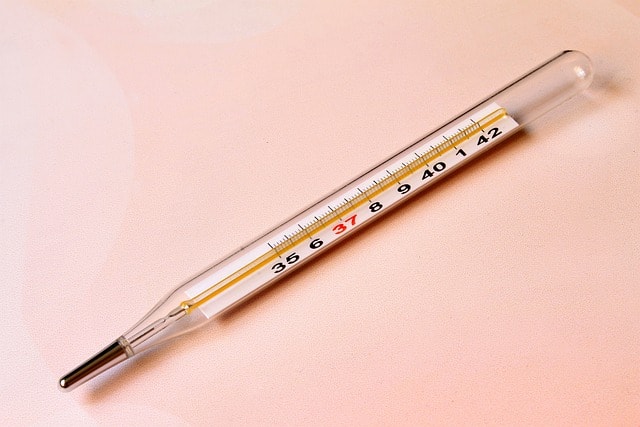
The normal temperature for dogs is between 37.5 and 39 degrees Celsius. The only reliable method to determine this is by measuring the fever with a thermometer. It is best to use a digital thermometer rectally, as this provides the most accurate results. Even if this may seem a bit unpleasant for you and your dog, it is the fastest and safest method.
Step-by-step guide to measuring a dog's temperature:
-
Preparation: Have a digital thermometer and some Vaseline or lubricant at hand. The thermometer should be clean and disinfected.
-
Stay calm: Ensure your dog is standing or lying down calmly. It is best to have a second person help you, who can hold your dog's head and calm them down.
-
Insert the thermometer: Moisten the thermometer with Vaseline and gently insert it about 2 to 3 centimeters into your dog's anus. Make sure your dog stays relaxed during this process.
-
Wait for the reading: Wait until the thermometer beeps. This usually takes only a few seconds.
-
Read the result: If the temperature is above 39 degrees Celsius, your dog has a fever.
Normal body temperature in dogs: What is considered a fever?
The normal body temperature of a healthy dog is usually between 37.5 and 39 degrees Celsius. However, this temperature can vary slightly depending on breed, age, and activity level. Body temperature tends to be slightly higher in puppies, while it may be lower in older dogs.
Fever begins when the body temperature rises above 39 degrees. A value above 41 degrees is a medical emergency and requires immediate veterinary treatment, as this temperature can lead to organ damage or even death.
Causes of fever in dogs: What are the reasons?
There are many different causes that can trigger fever in dogs. It is often a sign that your dog's body is fighting an infection or inflammation. The most common causes include:
-
Infections: Bacterial, viral, or fungal infections are among the most common causes of fever. These infections can affect different parts of the body, such as the respiratory tract, ears, teeth, or skin.
-
Injuries and wounds: Open wounds or post-operative inflammation can also cause fever. If a wound becomes infected, the body reacts with an elevated temperature.
-
Autoimmune diseases: In autoimmune diseases, the dog's immune system attacks its own cells, which can result in inflammation and fever.
-
Poisoning: If your dog has eaten something toxic or come into contact with a poisonous substance, their body may react with a fever to fight the toxins.
-
Heatstroke: Especially in the hot summer months, there is a risk of heatstroke if your dog spends too long in the sun or in high temperatures. Heatstroke leads to a dangerous rise in body temperature that can be life-threatening.
When should you as a dog owner go to the vet with your dog?
Fever is a warning signal that you should not ignore. In many cases, it is enough to observe your dog and provide them with rest and fluids. However, if the fever persists for more than a day or the temperature rises above 39.5 degrees, you should definitely consult a vet.
You should also act quickly if there are additional symptoms such as vomiting, diarrhea, difficulty breathing, or seizures. A veterinarian can determine the exact cause of the fever and initiate the appropriate treatment.
First measures for fever: What can you do?
If you determine that your dog has a fever, it is important to help them immediately to minimize the strain on their body. Here are some tips on how you can help your dog:
Rest: Let your dog rest and avoid physical exertion. Rest helps your dog recover faster.

Sufficient fluids: Ensure your dog drinks enough. Fever leads to increased fluid loss, which you should compensate for. Always offer them fresh water.
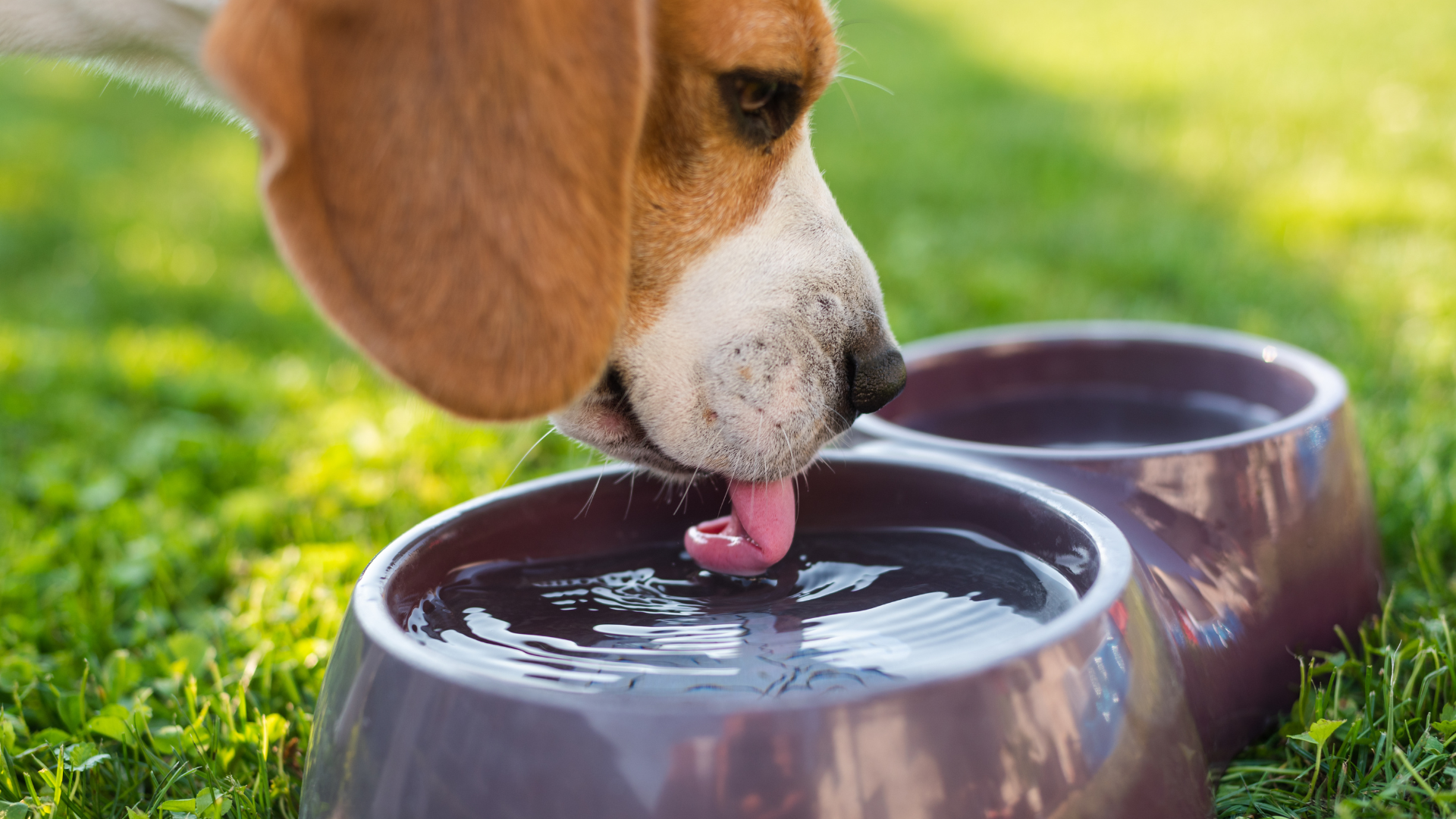
Cool environment: Keep your dog in a cool, shaded place, especially if the fever was caused by heat or heatstroke. You can also place a damp cloth on their paws to cool them down slightly.
No human medication: Never give your dog fever-reducing medication intended for humans, such as paracetamol or ibuprofen. These are toxic to dogs and can cause severe side effects. Always consult a veterinarian before giving your dog any medication.
Preventing fever: What can you do?
In many cases, fever cannot be completely avoided because it is a natural body reaction to infections. Nevertheless, there are some measures you can take to reduce the risk of your dog getting a fever:
-
Regular vaccinations: Keep your dog's vaccinations up to date to protect them from infectious diseases.
-
Deworming and parasite prophylaxis: Regularly protect your dog from parasites such as fleas, ticks, and worms, which can trigger infections.
-
Healthy diet: A balanced, high-quality diet strengthens your dog's immune system and helps them fight diseases better.
-
Sufficient exercise: Regular exercise keeps your dog fit and strengthens their immune system.
-
Avoid stress: Stress can weaken the immune system. Therefore, try to minimize stressful situations for your dog and provide them with a safe and relaxed environment.
Home remedies for fever in dogs: What can help?
There are some home remedies that can help soothe your dog's fever. However, these home remedies are not a substitute for veterinary treatment and should only be used as a supplement:
Damp cloths: You can place damp, cool cloths on your dog's paws to gently lower their body temperature.
Lukewarm water to drink: Offer your dog lukewarm water, which is easier for them to drink and can simultaneously help regulate their body temperature.
Plenty of rest and sleep: Let your dog rest in a quiet environment so their body can recover better.
How long does a fever last in a dog?
The duration of the fever depends on the cause. Infections or inflammations can cause your dog to have a fever for one to two days. However, if the fever lasts longer than two to three days or if the temperature rises sharply, it is advisable to consult a vet immediately. A persistent or high fever can indicate more serious problems that require medical treatment.
Febrile seizures in dogs: What should you do?
In rare cases, high fever in dogs can lead to febrile seizures. These manifest as trembling, muscle twitching, or loss of consciousness. A febrile seizure can be very frightening, but it is important to stay calm. Ensure your dog does not injure themselves during the seizure by keeping them away from dangerous objects. You should see a vet immediately after a febrile seizure, as this can be a serious health issue.
Difference between fever and hyperthermia in dogs: What should you know?
It is important to distinguish between fever and hyperthermia. Fever is a controlled increase in body temperature steered by the body itself to fight pathogens. Hyperthermia, on the other hand, is caused by external influences, such as high ambient temperatures or physical overexertion. While fever is a reaction to an infection or inflammation, hyperthermia can be triggered by, for example, heatstroke. In both cases, quick action is required, but the treatments differ.
When is fever in a dog life-threatening?
Fever becomes dangerous when it rises very high or persists over a long period. Temperatures above 41 degrees Celsius are considered life-threatening as they can lead to organ damage, circulatory failure, or heatstroke. A dog with such a high fever needs immediate veterinary help to prevent serious health consequences. You should also see an emergency veterinarian if, in addition to the fever, your dog shows symptoms like bloody diarrhea, vomiting, difficulty breathing, or severe trembling.
How does the immune system support your dog during a fever?
Your dog's defense system plays a crucial role when it comes to fever. Fever is a natural reaction of the body to pathogens such as viruses or bacteria. The elevated body temperature inhibits the multiplication of these pathogens, giving the defense system a better chance to fight the infection. Nevertheless, an overactive immune system can also cause damage if it reacts for too long or too strongly. That is why it is important to monitor the fever and seek veterinary help if necessary.
Can a fever go away on its own?
In many cases, the fever goes away on its own once the body has successfully fought off the cause, such as a mild infection. This can happen within one to two days. During this time, you should let your dog rest, allow them plenty of peace and quiet, and ensure they drink enough.
If your dog's condition does not improve after a few days or the fever continues to rise, you should definitely seek veterinary advice.
What to do after a fever attack in a dog?
After your dog has overcome a fever phase, it is important to continue supporting their recovery. Offer them easily digestible food that does not strain their stomach. Sufficient fluids are also crucial to compensate for the fluid loss caused by the fever. Additionally, you should slowly introduce them back to walks and physical activities, but only once they have fully recovered. Avoid overexerting your dog again immediately so that their immune system can fully regenerate.
Conclusion on fever in dogs
Fever in dogs is a serious warning signal that you should never ignore. It can have many causes, from infections to heatstrokes, and requires careful observation and, if necessary, veterinary treatment. With the right knowledge and appropriate measures, however, you can help your dog effectively and ensure they get healthy again quickly.