
Grass mites in dogs: What you should know
Harvest mites in dogs, particularly autumn harvest mites, are tiny parasites that become active primarily during the warmer months. These small creatures can cause your dog significant itching and discomfort.
In this detailed blog post, you will learn everything you need to know about harvest mites in dogs, their symptoms, potential treatment options, and, most importantly, how you can effectively protect your dog from these annoying parasites.
What is a harvest mite?
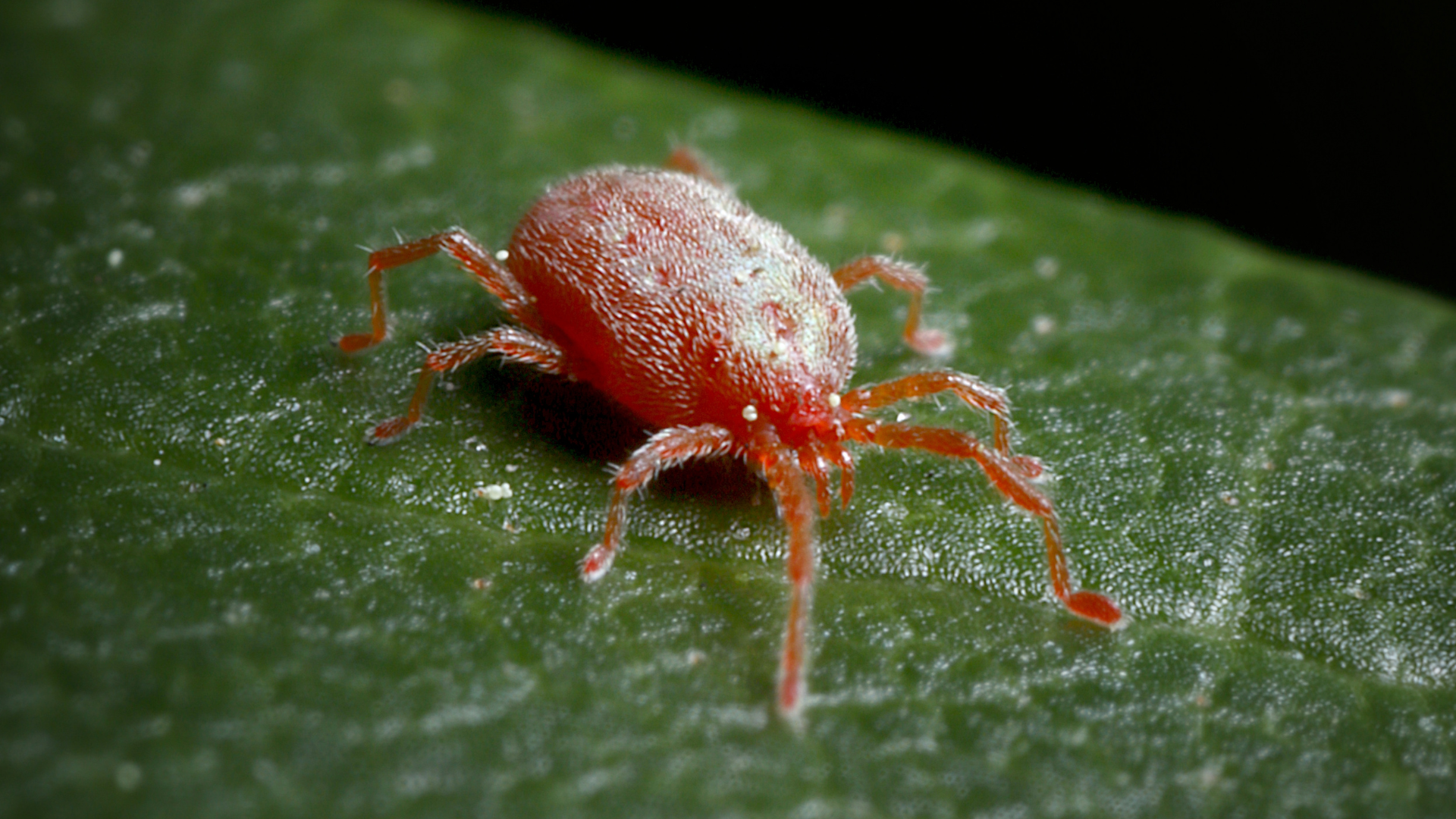
Harvest mites, also known as chiggers, belong to the mite family. These parasites are usually orange or red in color and reach a size of about one millimeter. The autumn harvest mite is a specific type of mite that is particularly active between the months of May and September. During this time, they can multiply in large numbers and can be found in many places, such as meadows and gardens.
Although harvest mites are not directly dangerous to dogs, their bite and the saliva they inject can trigger unpleasant allergic reactions. These reactions lead to intense itching and, in some cases, can even cause serious skin problems.
How do harvest mites get onto a dog's skin?
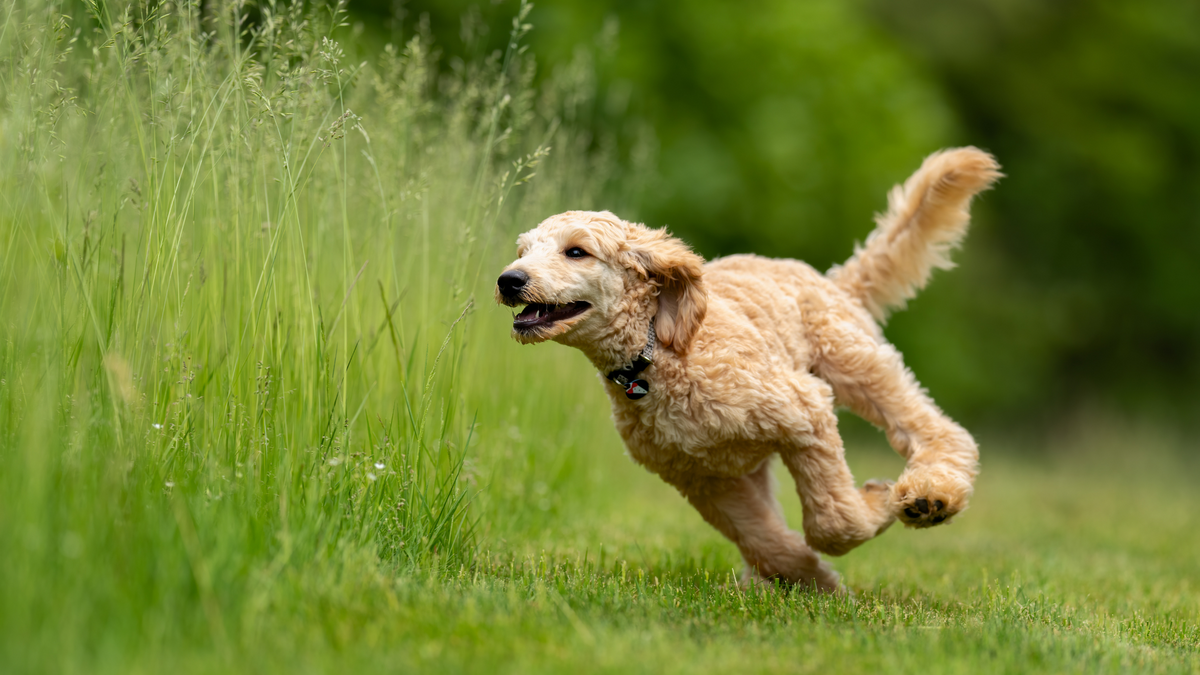
Harvest mites get onto your dog when it walks through tall grass or other infested plants. The larvae of the harvest mites then crawl onto your dog's skin and attach themselves to feed on blood. In the process, they inject their saliva, which contains allergens and triggers the symptoms. It is important to know that harvest mites can be contracted not only during walks but also while playing in the garden or lying in meadows.
Dogs that spend a lot of time outdoors and stay in areas with tall grass or dense vegetation are at particular risk. The risk also increases if the dog already has sensitive skin or is prone to allergies.
Symptoms of a harvest mite infestation
It is crucial to recognize the symptoms of a harvest mite infestation early to provide your dog with the necessary help. Here are the most common signs that may indicate a harvest mite infestation in your dog:
-
Intense itching: Your dog scratches frequently, bites its paws, or rolls on the ground. The itching can be so severe that your dog can barely find any rest.
-
Redness and inflammation: The skin may look red and inflamed in the affected areas, especially on the paws, ears, and belly area.
-
Hair loss: Constant scratching and biting can lead to hair loss in the affected areas. This can severely affect the appearance of your furry friend.
-
Wounds and scabs: Constant scratching can cause open wounds that easily become inflamed. These wounds can be painful for your dog and increase the risk of secondary infections.
-
Restlessness and behavioral changes: Your dog shows signs of restlessness, is less active, and may even appear lethargic. This can indicate discomfort caused by the itching.
-
Increased licking: Many dogs tend to lick themselves, especially on the paws, which can also indicate itching.
Risk groups for harvest mite infestation
Not all dogs are equally susceptible to harvest mites. There are certain factors that can increase the risk:
Dogs with sensitive skin: Breeds like Labrador Retrievers, Bulldogs, or even mixed-breed dogs with sensitive skin are more prone to skin problems and are thus more susceptible to a harvest mite infestation.
Dogs that spend a lot of time outdoors: If your dog plays in tall grass often or spends time in nature, the likelihood of contracting harvest mites is higher. The risk is especially increased in rural areas where the grass is not mowed regularly.
Dogs with existing allergies: Dogs already suffering from allergies or skin conditions are more susceptible to the negative effects of harvest mites. The already weakened state of their skin can allow the parasites to penetrate more easily.
Diagnosis of harvest mites
If you suspect your dog is suffering from harvest mites, it is important to act quickly. The first step should be a visit to the veterinarian. The vet can make an accurate diagnosis by examining your dog's skin and taking skin samples if necessary. These samples help to rule out other possible causes for the symptoms and determine the best treatment strategy.
In some cases, the veterinarian can also perform a skin scraping to detect the harvest mites directly. Sometimes, an allergy test may also be useful to determine whether your dog is reacting to other allergens as well.
Treatment options
If a harvest mite infestation is diagnosed, there are several treatment options to help your dog:
1. Medication
Your veterinarian can prescribe various medications to relieve the symptoms and kill the harvest mites. These include:
-
Antihistamines: These medications help to relieve itching and reduce your dog's allergic reaction.
-
Corticosteroids: These can be used to reduce inflammation and significantly decrease itching. However, it is important to use them only under the guidance of a veterinarian, as they can have side effects if used excessively.
-
Topical treatments: Shampoos or sprays with special ingredients can be applied directly to the affected skin areas. These products are often soothing and help the skin regenerate.
2. Skincare
Thorough skincare is crucial for the recovery of dogs with a harvest mite infestation. Keep the affected areas clean and dry to avoid infections. You can use special grooming products or soothing lotions that are suitable for dogs. Be sure to clean the wounds gently to prevent further irritation.
3. Flea and tick prevention
The use of flea and tick preventatives can also help ward off harvest mites. Many of these products offer broad protection against various parasites and help keep your dog healthy. Sprays or spot-on preparations can be effective in minimizing the risk of re-infestation.
Prevention of harvest mite infestation
The best method to protect your dog from harvest mites is prevention. Here are some tips that can help you protect your dog:
1. Keep your garden well-maintained
Regular garden maintenance is very important. Mow tall grass regularly and keep your garden tidy. This reduces the likelihood of harvest mites settling in. Also, make sure to keep other plants that could be attractive to harvest mites under control.
2. Avoid tall grass
If possible, avoid walking in tall grass areas, especially in the warm months when harvest mites are most active. Instead, choose paths or areas with short grass, where the risk of infestation is lower.
3. Regular grooming
Brush your dog's coat regularly. This allows you to detect and remove harvest mites and other parasites early. Thorough grooming also helps prevent skin problems and keeps the skin healthy.
4. Bathe your dog
Regular baths with a special shampoo can help keep your dog's skin clean and free of parasites. Be sure to choose a shampoo that is suitable for your dog's skin to avoid irritation.

5. Watch for symptoms
Observe your dog closely. If you notice signs of itching or skin irritation, see a veterinarian as soon as possible. The sooner you act, the better your dog can be treated.
Conclusion
Harvest mites in dogs, especially the autumn harvest mite, can be extremely uncomfortable for your four-legged friend, but with the right care and attention, you can protect them and help them recover. Be sure to recognize symptoms early and groom your dog regularly. If you suspect a harvest mite infestation, do not hesitate to see a veterinarian. Timely treatment can significantly improve your dog's well-being and help them return to a happy, active life.
As a dog owner, it is important to be informed about the dangers of harvest mites to provide your dog with the best possible care. By taking preventive measures and paying attention to your dog's needs, you can ensure that they remain healthy and happy.