
Heat-related illnesses in dogs and cats: How to protect your pet in summer
Summer brings long, sunny days, pleasant outdoor walks, and the chance to spend more time outside with our beloved pets. But while we humans can enjoy the summer heat with a cool drink in the shade, it often poses a serious danger to dogs and cats. Pets are particularly susceptible to heat-related illnesses, which can range from mild discomfort to life-threatening conditions.
In this blog post, we want to show you how to recognize the symptoms of heat-related illnesses in your dog or cat early on, what first-aid measures you should take, and how you can preventively protect your pet from the heat. Read on to ensure that your pet remains healthy and safe during even the hottest months.
Heat-related illnesses in dogs and cats: The most common dangers
Summer can become dangerous for your pets if they are exposed to high temperatures for too long. Unlike us humans, dogs and cats cannot sweat easily to regulate their body temperature. They pant to release excess heat, but this is often not enough to prevent heatstroke in extreme temperatures. Let’s take a closer look at the most common heat-related illnesses in pets.
Heatstroke in dogs and cats
Heatstroke is one of the most serious heat-related illnesses that can occur in dogs and cats. Dogs in particular are vulnerable because they tend to remain active despite the heat and often cannot judge for themselves when it becomes too hot for them.
Heatstroke occurs when an animal's body temperature rises to a dangerous level and the body can no longer dissipate the heat. In dogs and cats, the normal body temperature is between 37.5 and 39.5 degrees Celsius. With heatstroke, the temperature can rise to over 41 degrees, which can lead to severe health damage and even death.
Symptoms of heatstroke in pets:
-
Excessive panting
-
Heavy salivation
-
Vomiting and diarrhea
-
Lethargy or weakness
-
Disorientation or unconsciousness
If you observe any of these signs in your dog or cat, quick action is required.
First aid for heatstroke:
-
Immediately take your pet to a cool place, preferably in the shade or an air-conditioned room.
-
Wrap your animal in cool, damp towels or place them near a fan.
-
Offer your pet fresh water, but do not force them to drink if they do not want to.
-
Call your vet immediately or go straight to an animal clinic. Heatstroke can be life-threatening and usually requires professional treatment.
After a heatstroke, your pet's proper recovery can be supported by a balanced, vitamin-rich diet. Products such as Annimally Multi Vital Powder or the Annimally Vitamin B Complex can help strengthen your animal's metabolism and immune system.
Dehydration: When your pet doesn't drink enough
Dehydration is another common problem in summer. Dogs and cats need plenty of fluids, especially on hot days. If they don't drink enough, it can lead to dehydration, which disrupts normal body function and can become dangerous.
Symptoms of dehydration:
-
Dry tongue and mucous membranes
-
Loss of appetite
-
Weakness or lethargy
-
Excessive thirst, followed by reduced urination
To prevent dehydration, you should ensure that your pet always has access to fresh water. Dogs in particular, who play outside a lot, should take regular drinking breaks.
First aid for dehydration:
-
Offer your pet water immediately and make sure they drink.
-
If your dog or cat is severely dehydrated and seems weak, you should definitely seek veterinary help. In some cases, it may be necessary to administer fluids intravenously to restore the animal's water balance.
Cats, in particular, tend to drink less water than dogs, which increases their susceptibility to dehydration. Ensure that cats also always have access to fresh water and that the drinking vessel is cleaned regularly.
Sunburn in pets: Yes, that is possible too!
Dogs and cats, much like humans, can get sunburned. Animals with light-colored or thin fur, as well as those with non-pigmented skin, are particularly at risk. Here, too, prevention is key to avoiding pain and skin damage.
Signs of sunburn in pets:
-
Reddened or inflamed skin areas
-
Swelling
-
Blistering
-
Your pet avoids being touched on the affected areas
First aid for sunburn:
-
Protect your animal immediately from further sun exposure by bringing them indoors or into the shade.
-
Cool the affected skin areas with a damp towel.
-
Use gentle, skin-soothing care products such as Annimally Aua-Balsam Plus to regenerate the skin and promote healing.
Avoid going into the sun with your pet during midday hours. Instead, plan your walks for early in the morning or late in the evening when the sun's rays are less intense. There are also special sunscreens for pets that you can apply to sensitive areas like ears and the nose.
Paw burns from hot ground
Asphalt and sand can get extremely hot on summer days and burn your pet's paws. Dogs that walk on asphalt are especially at risk. Sensitive paw pads can suffer severe damage, which is very painful and can lead to infection.
Symptoms of burned paws:
-
Redness and swelling
-
Blistering
-
Your dog limps or walks hesitantly
First aid for burned paws:
-
Cool the paws immediately with cold water or a damp towel.
-
Ensure your dog does not walk on hot surfaces until the injuries have healed.
-
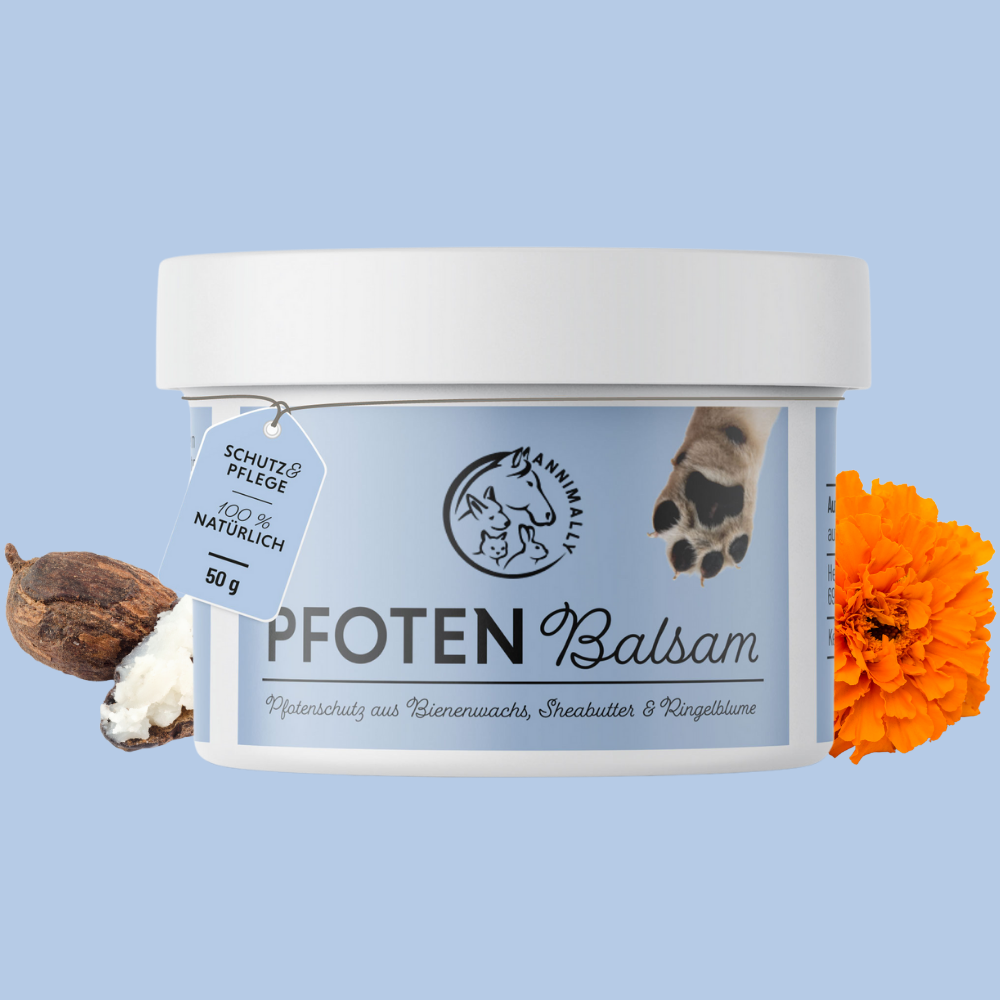
Apply special paw balms such as the Annimally Paw Balm to support healing and regenerate the skin.
Avoid letting your dog walk on hot surfaces, especially around midday. Test the temperature of the ground by placing your palm on it for a few seconds. If it is too hot for your hand, it is too hot for your dog's paws.
When should you see a vet?
With heat-related illnesses, it is important to take symptoms seriously. Many of these conditions can quickly worsen and even become life-threatening. A vet visit is advisable if:
-
Your pet shows no improvement despite first-aid measures.
-
Your dog or cat seems weak, disoriented, or unconscious.
-
Severe symptoms such as vomiting, diarrhea, or unconsciousness occur.
Don't hesitate to seek veterinary help if you are unsure. Early intervention can save your pet's health and enable a quick recovery.
Preventive measures against heat-related illnesses
1. Plenty of water: Your pet should have access to fresh water at all times. For on-the-go, there are portable water bowls and bottles that are particularly practical for outings.
2. Shade and rest areas: Ensure your pet always has a cool and shady place to rest. This applies especially to outdoor activities.
3. Avoid midday heat: Walks and outdoor activities should be moved to early morning or late evening hours, when temperatures are more pleasant.
4. No car: Never leave your pet in the car, even for a short time. Temperatures in the car can rise dangerously fast, and a life-threatening heatstroke can occur.
Conclusion: Safety on hot days for dogs and cats
In summer, it is important to recognize the signs of heat-related illnesses in dogs and cats early and to take preventive measures. Ensure that your pet always has enough water, is protected from excessive sunlight, and does not walk on hot surfaces. If an emergency occurs despite all precautions, act quickly and seek veterinary help.
With these tips, you can ensure that your four-legged friend can enjoy summer in a healthy and carefree way – and you yourself can enjoy a relaxed warm season with your best friend by your side.