
Itching in dogs: causes, symptoms and treatment options

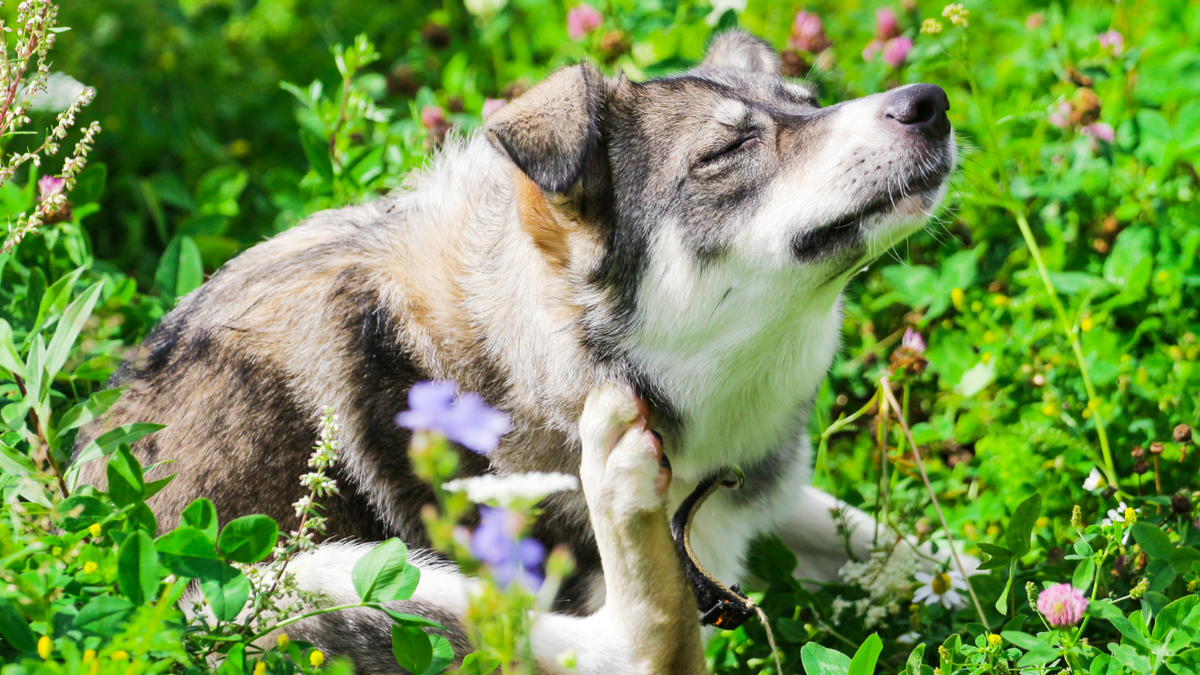
Itching is a widespread problem in dogs and can be very distressing for both you and your four-legged friend. If your dog is constantly scratching, biting, or licking itself, this could indicate a serious problem that requires immediate attention.
What is itching in dogs?
Itching, known in medical terminology as pruritus, describes an unpleasant sensation that prompts dogs to scratch, lick, or bite themselves intensely. This condition can range from mild discomfort to severe itching that can significantly impact a dog's daily life. Intense itching often leads to skin irritation, inflammation, and even open wounds if dogs scratch themselves too vigorously. There can be many causes, which is why it is important to accurately determine the origin of the itching.
Causes of itching in dogs
The causes of itching in dogs can vary widely and can be divided into several main categories. Here are the most common causes:
-
Parasite infestation: Parasites such as fleas, ticks, mites, and lice are common causes of itching in dogs. Flea bites in particular can lead to flea allergy dermatitis, which causes intense itching. Mites can also trigger severe reactions and lead to excessive scratching.
-
Allergies: Allergies are another common cause of itching in dogs. These can be divided into: environmental allergies (e.g., pollen, house dust mites, mold), food allergies (e.g., certain proteins or additives), and contact allergies (e.g., reactions to specific materials such as cleaning agents or chemicals).
-
Skin infections: Skin infections caused by bacteria or fungi are other possible causes. Bacterial infections such as pyoderma or fungal infections such as ringworm can cause severe itching. These infections often occur secondarily when your dog's skin has already been damaged by scratching or other skin problems.
-
Dry skin: Dry skin, caused by cold weather, low humidity, or unsuitable grooming products, can also trigger itching. Your dog's skin needs sufficient moisture to remain healthy and flake-free.
-
Hormonal disorders: Diseases such as hypothyroidism or Cushing's syndrome (overproduction of cortisol) can affect your dog's skin and cause itching.
-
Stress and behavioral problems: In some cases, itching can have psychological causes. Stress, boredom, or anxiety can lead your dog to lick or scratch excessively. This type of itching is often difficult to treat as it addresses your dog's emotional well-being.
Symptoms of itching in dogs
The symptoms of itching in dogs can be varied and differ depending on the cause. The most common symptoms include:
-
Constant scratching, licking, or biting: If your dog is continuously scratching, licking, or biting certain areas of its body, these are clear signs of itching. Frequently affected areas are the ears, paws, abdomen, or back.
-
Skin rash or redness: Skin rashes or redness are visible changes to the skin that often occur in the areas most frequently scratched or licked. These symptoms can indicate an allergic reaction or an infection.
-
Hair loss: Constant scratching or licking can cause hair to fall out, leading to bald patches on the skin. This is particularly noticeable if the itching persists over a long period.
-
Dandruff: Dry skin can lead to dandruff, which becomes visible on your dog's coat. Dandruff can be a sign of dry skin or a skin infection.
-
Wounds or crusts: If your dog scratches itself intensely, open wounds or crusted areas may form. These wounds can easily become infected and lead to further health problems.
-
Changes in behavior: Itching in dogs can also affect their behavior. Your dog might become restless, play less, or seek rest more often because it feels uncomfortable. Behavioral changes are often a sign of physical discomfort.
Diagnosis: How is the cause of itching in dogs determined?
To determine the exact cause of the itching, a comprehensive diagnosis by a veterinarian is required. The diagnosis takes place in several steps:
-
Medical history: The veterinarian will ask you thorough questions about your dog's symptoms and behavior. Information about diet, environmental conditions, and potential stress factors is also important.
-
Clinical examination: During the clinical examination, the veterinarian will thoroughly check your dog's skin for signs of parasites, infections, or other skin problems. This can be done through palpation, visual inspection, and sometimes through special tests.
-
Allergy tests: If an allergy is considered a trigger, blood tests or skin tests can be performed. These tests help identify what substances your dog is allergic to and enable targeted treatment.
-
Skin scrapings and biopsies: To diagnose parasites or certain skin diseases, the veterinarian can take skin samples and examine them under a microscope. These samples help identify the exact cause of the itching and initiate the correct treatment.
-
Blood tests: Blood tests are necessary to rule out hormonal disorders or other systemic diseases. These tests provide important information about your dog's general health and help identify the cause of the itching.
Treatment options for your dog
The treatment of itching depends on the underlying cause. Here are some common treatment methods that can help your dog:
-
Treatment of parasites: In the case of a parasite infestation, targeted treatment is necessary. This includes spot-on preparations, tablets, or shampoos that act specifically against fleas, ticks, or mites. Regular parasite prevention is also important to avoid future infections.
-
Allergy treatment: Depending on the type of allergy, various treatment methods can be used. Antihistamines can help alleviate allergic reactions. For food allergies, a switch to hypoallergenic food may be necessary. In some cases, immunotherapy may also be required.
-
Treatment of skin infections: Bacterial or fungal skin infections are usually treated with antibiotics or antifungals. The duration of treatment depends on the severity of the infection and should strictly be monitored by the veterinarian.
-
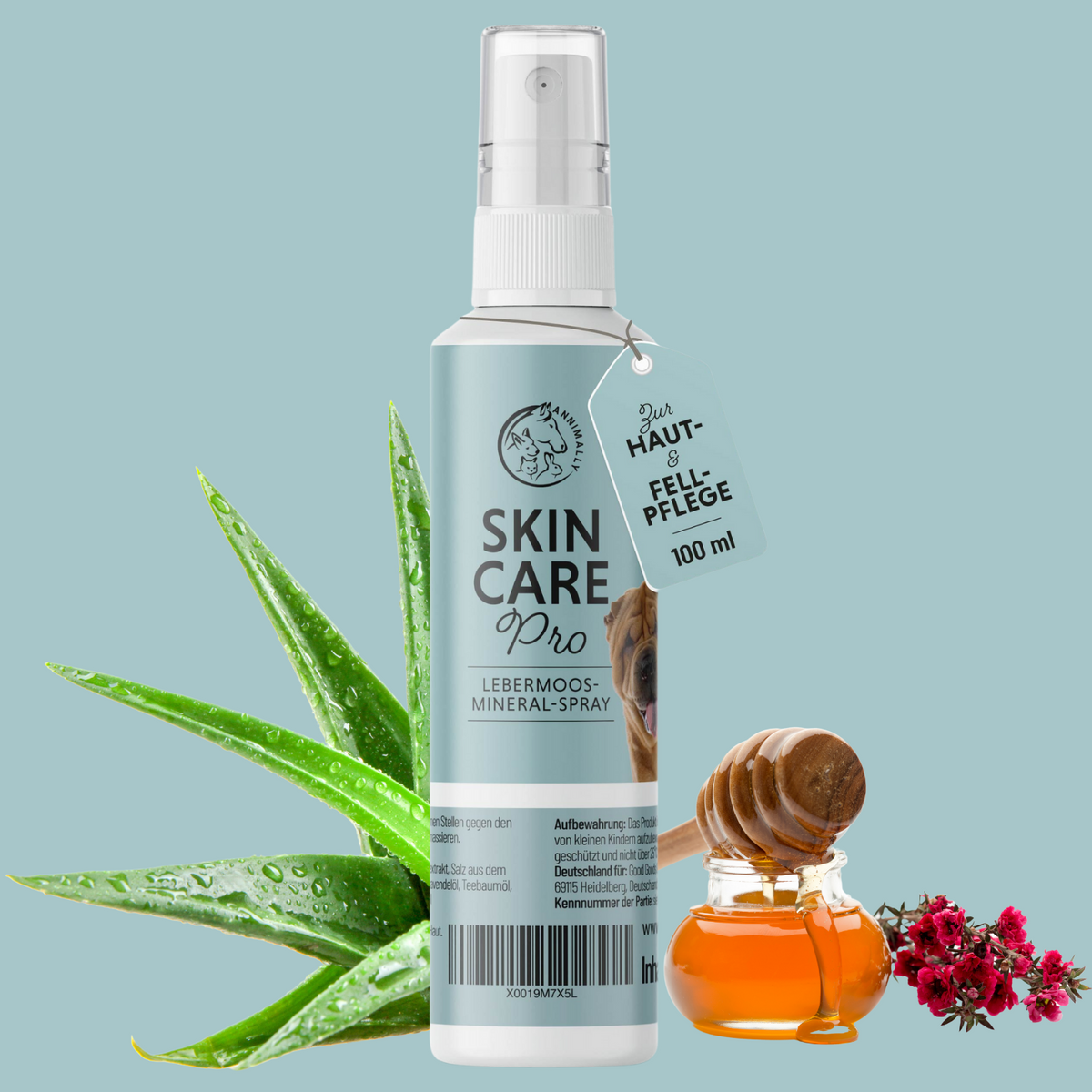
Moisturizing care products: Special shampoos and lotions can help soothe dry skin and alleviate itching in dogs. These products are often enriched with moisturizing ingredients that nourish and protect your dog's skin.
-
Hormone therapy: For hormonal disorders such as hypothyroidism, hormone therapy may be necessary. Medication to regulate hormone levels can help improve skin health and reduce itching.
-
Behavioral changes and stress management: If the itching in your dog is caused by stress or behavioral problems, behavior modifications, environmental adjustments, or sedatives can be helpful. A stress-free environment and sufficient activity can help reduce itching.
Prevention: How to prevent itching in dogs
To prevent itching in your dog, regular grooming and skin checks are important. Here are some tips that can help you:
Regular parasite prevention
Protect your dog from fleas, ticks, and mites through regular treatments. Consistent parasite prevention is crucial to avoid infestation and the associated itching.
Healthy diet
A balanced diet strengthens your dog's immune system and can help prevent allergies. For sensitive dogs, hypoallergenic food can be useful to counter allergic reactions.
Skin care
Use moisturizing shampoos and grooming products that do not dry out your dog's skin. Avoid bathing too frequently so as not to impair the natural skin barrier. Make sure that the grooming products are suitable for dogs and are of high quality.
Stress management
Ensure a stress-free environment and keep your dog sufficiently active to avoid boredom and stress. Activities such as walks, play sessions, and mental challenges can help lower your dog's stress level and minimize behavioral problems.
Regular veterinary check-ups
Early detection of skin problems can prevent the itching from worsening. Regular veterinary check-ups help to identify and treat health problems early before they lead to serious complaints.

Conclusion: Take your dog's itching seriously
Itching is not only uncomfortable but can also indicate serious health problems. Early diagnosis and proper treatment are crucial to provide your dog with relief and improve its quality of life. By focusing on good care, a balanced diet, and regular veterinary check-ups, you can effectively prevent itching and ensure your dog remains healthy and happy.