


Ectoparasites in dogs and cats – the ultimate guide
Ectoparasites are a concern for many pet owners – and rightly so. These tiny parasites live on the skin, in the fur, or on specific areas of our pets' skin and can cause significant damage. They feed on the blood or skin components of their host animal, causing itching, skin irritation, and inflammation. Ticks and fleas can transmit serious, life-threatening diseases, including babesiosis and Lyme disease.
Perhaps you've also wondered why your dog is constantly scratching or your cat suddenly has bald patches in its fur. Often, ectoparasites are the cause – tiny, but with a big impact.
In this comprehensive guide, we gently take you by the hand and explain everything you need to know about ectoparasites in dogs and cats: from ticks, fleas and mites to lice, biting lice, sandflies and mosquitoes, as well as protective measures, prophylaxis, spot-ons, collars and the role of the veterinarian.
What are ectoparasites?
Ectoparasites are parasites that live not inside, but on the surface of the body. They colonize the skin, fur, or specific areas such as the head, ears, neck, or abdomen, feeding on the blood, skin flakes, or tissue fluid of their host. Unlike endoparasites such as worms, which live inside the organism, ectoparasites remain external – yet their effects are anything but harmless.
Ectoparasites play a particularly significant role in dogs and cats, as they have close contact with their environment, spend a lot of time outdoors, or live with other animals. An infestation often goes unnoticed for a long time and only becomes apparent through itching, skin changes, or unusual behavior.
Which ectoparasites are most common in dogs and cats?
Dogs and cats are susceptible to a wide variety of ectoparasites, which differ in lifestyle, appearance, and severity. The most common include:
• Ticks
• Fleas
• Mites
• Lice and biting lice
• Sandflies
• Mosquitoes
These parasites use dogs and cats as hosts to feed, reproduce, and maintain their life cycle. They actively interfere with the organism by sucking blood or damaging the skin. Many of these parasites are not host-specific and can also infest other animals or even humans.
Why ectoparasites are more than just a nuisance
An infestation of ectoparasites is rarely just a cosmetic problem. Many of these parasites are considered disease vectors and can transmit pathogens that cause infections and serious illnesses. Some of these pathogens are zoonotic and therefore pose a potential risk to humans as well.
Fleas, ticks, mites, and mosquitoes are particularly common culprits in animal diseases. Fleas can not only cause intense itching but also transmit tapeworms. Ticks are considered especially significant disease vectors and pose a serious threat to dogs and cats. Mosquitoes and mites, in turn, can cause skin reactions, inflammation, and other health problems.
The most common representatives in dogs and cats
When it comes to fleas, one species is particularly important: the cat flea. Despite its name, it doesn't just infest cats, but very often dogs and other pets as well. It is found worldwide and feeds on the blood of its hosts. A flea infestation can spread extremely quickly and often affects not only the animal, but also the entire house.
There are also several tick species that particularly commonly infest dogs and cats. These include, above all, the common wood tick, the meadow tick, and the brown dog tick. These tick species are widespread in many regions and are very well adapted to different habitats. They prefer to attach themselves to well-vascularized areas of skin and can transmit pathogens when feeding on blood.
Why ectoparasites pose a real danger
They are not just a nuisance – they pose a serious threat to the health of dogs, cats, and humans. Pathogens can enter the body through every sting, bite, or puncture wound. Diseases transmitted by ectoparasites often occur via saliva during feeding. In addition, many parasites cause severe itching, skin changes, allergic reactions, and secondary infections.
What makes this particularly insidious is that many diseases begin gradually. A mild itch is often underestimated until skin irritations, inflammation, or open sores develop. The animal's well-being also suffers considerably: it becomes restless, sleeps poorly, withdraws, or reacts irritably.
Ticks – small bloodsuckers with a big role
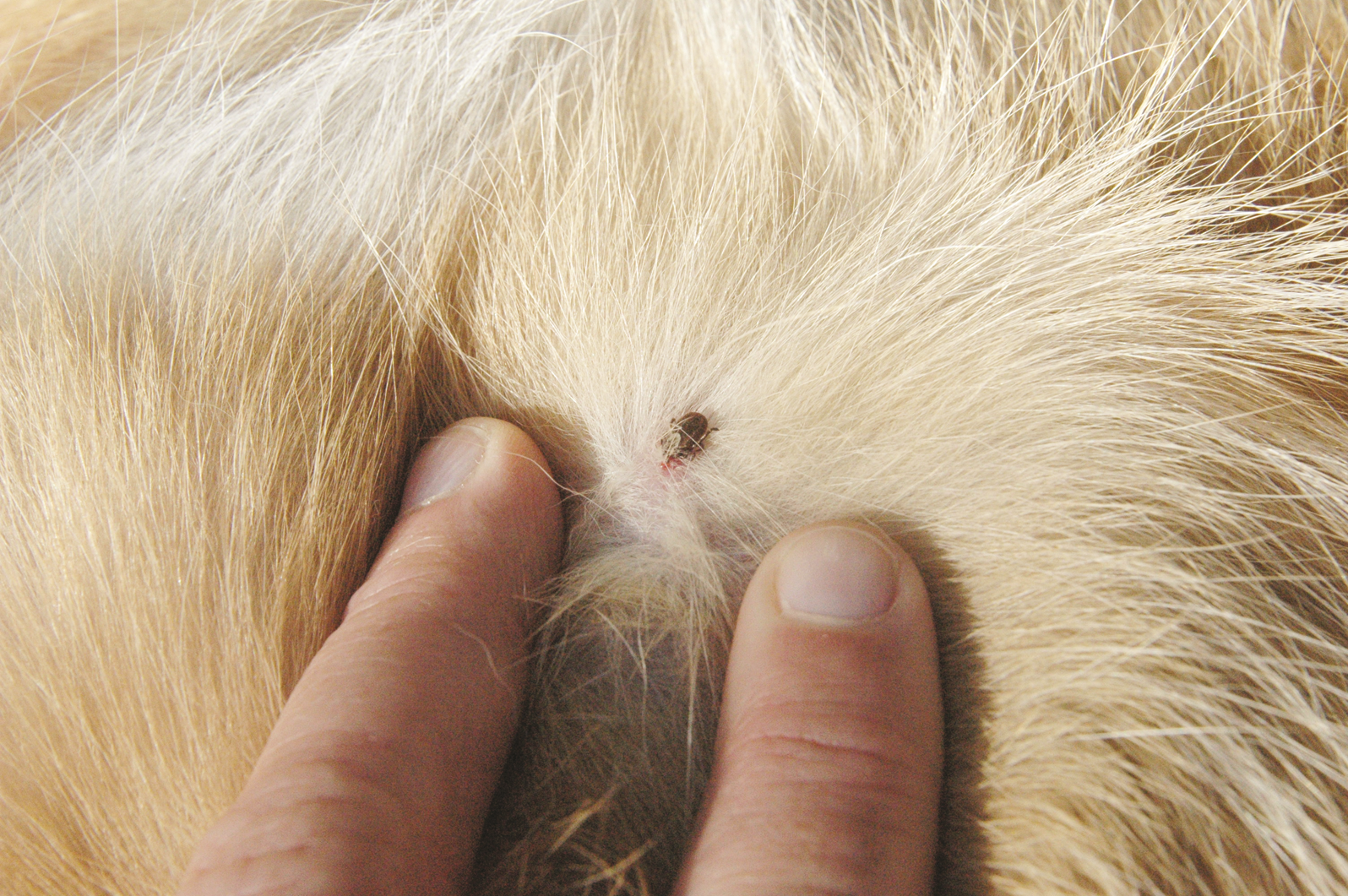

Ticks are widespread in Germany and are among the most common ectoparasites of dogs and cats. They are native to many regions and are particularly active in spring, summer, and autumn. Ticks prefer to attach themselves to warm, well-vascularized areas of skin such as the neck, ears, armpits, or head.
Ticks feed on the blood of their host animals. In doing so, they can transmit numerous pathogens, including those that cause serious diseases such as Lyme disease and anaplasmosis. Ticks are particularly dangerous for dogs, but cats are not immune either.
Typical symptoms of a tick infestation:
• visible tick on the skin
• local swelling at the injection site
• Redness and itching
• Fever or fatigue during transmission of diseases
It's important to remove ticks as quickly as possible with special tick tweezers and keep an eye on the bite area. If you notice anything unusual, you should always consult a veterinarian.
Fleas – small, agile and extremely persistent

Fleas are tiny parasites with an enormous reproductive potential and are ectoparasites found worldwide. They irritate their hosts with bites and feed on their blood. A single flea infestation can quickly develop into a real plague – in the animal, in the house, and in the surrounding area.
Fleas feed on blood and cause intense itching. Dogs and cats that have close contact with other pets or spend a lot of time outdoors are particularly susceptible.
Typical signs of flea infestation:
• constant scratching and biting
• small black specks in the fur (flea droppings)
• Skin changes and inflammation
• Hair loss
• Unrest
Fleas can transmit tapeworms, which makes them particularly dangerous. Therefore, a holistic treatment is always necessary in the case of a flea infestation – addressing the animal, its environment, and any other pets in the household.
Mites – invisible causes of big problems
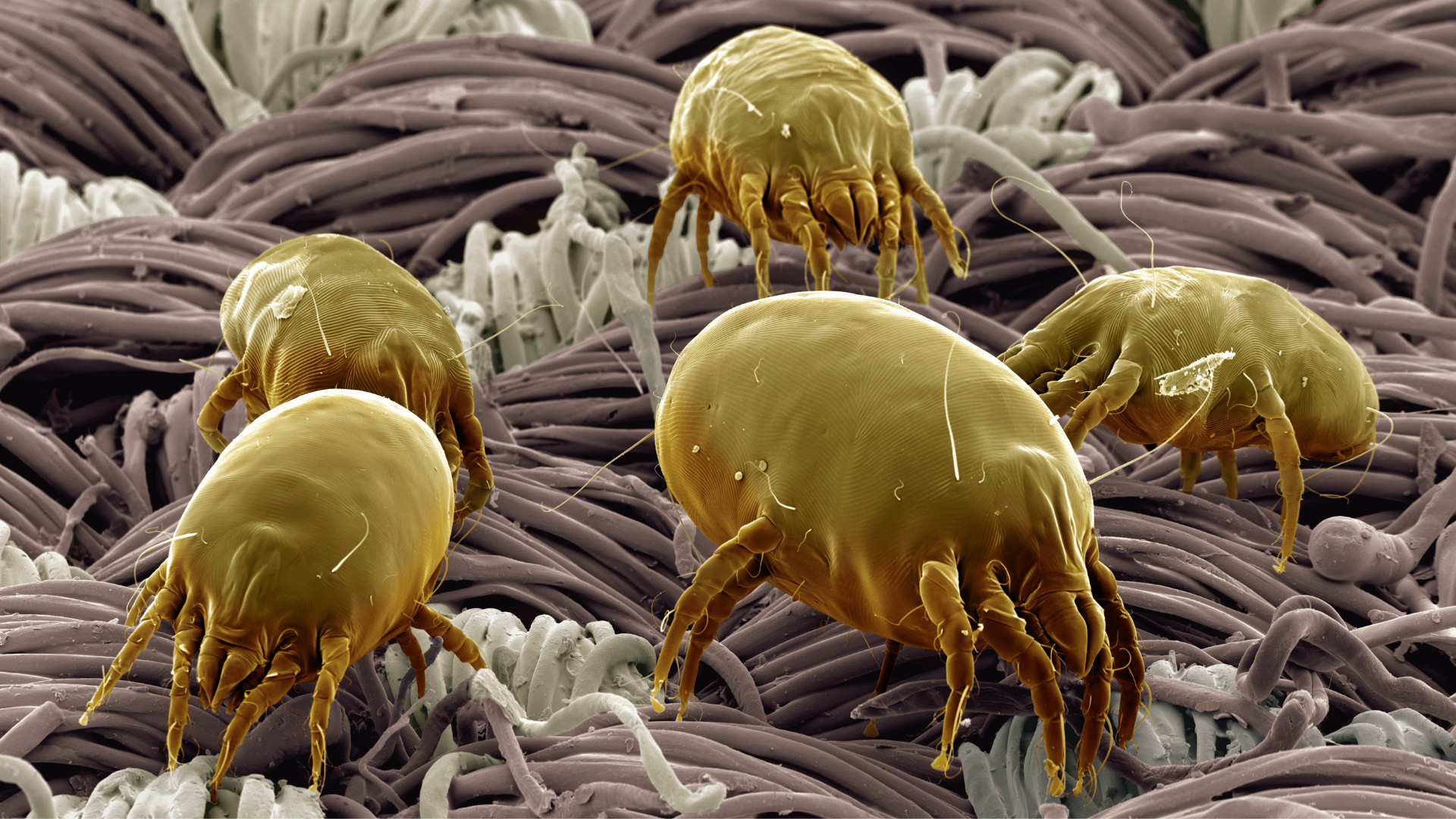
Mites are among the most insidious ectoparasites of dogs and cats. They are extremely small and usually invisible to the naked eye, yet can have a significant impact on skin, well-being, and health. A mite infestation is therefore often only detected when the symptoms are already quite pronounced.
Mites live either on the skin's surface or burrow into the upper layers of the skin. There, they cause intense itching, skin irritation, inflammation, and hair loss. Many animals react by scratching, licking, or biting, which further damages the skin and increases the risk of infection.
Not every mite is automatically dangerous.
It's important to know that not all mites are inherently harmful. A well-known example is Demodex mites. These mites are part of the normal skin flora of many mammals and are also found in healthy dogs and cats without causing any problems. Only when the immune system is weakened—for example, by stress, illness, hormonal changes, or young or old age—can Demodex mites multiply rapidly. In this case, it can lead to demodicosis, a skin disease characterized by hair loss, redness, scaling, and sometimes severe skin changes.
Harvest mites – tiny larvae that cause intense itching
Another common mite species is the harvest mite. The larvae of the harvest mite are particularly parasitic and pose a significant problem for dogs and cats. They preferentially infest the paws, abdomen, chest, ears, or head, causing extremely intense itching. Infestations often occur seasonally, especially in late summer and autumn.
Typical symptoms include small, reddened patches of skin, intense scratching, and restlessness. Many animals suffer greatly from the itching, which significantly impairs their well-being and makes the skin susceptible to further reactions and infections.
When mites should be taken seriously
A mite infestation rarely clears up on its own. If symptoms such as itching, skin changes, or hair loss persist, a veterinarian should always be consulted. Only then can the specific type of mite be identified and the appropriate treatment determined.
Mites vividly demonstrate that ectoparasites don't need to be visible to cause significant damage. This makes it all the more important to remain vigilant, recognize changes early, and provide your pet with timely support.
Lice and biting lice – underestimated ectoparasites
Lice and biting lice are less common than fleas or ticks, but are still significant parasites in dogs and cats. They live permanently on the animal and are usually transmitted through direct contact.
While lice suck blood, biting lice feed on skin flakes and hair. Both can cause severe itching, skin irritation, and an unkempt coat.
Typical signs:
• Itching
• shaggy fur
• visible parasites or eggs (nits)
• Skin inflammations
Animals that are particularly young, old, or weakened are susceptible to lice and biting lice.
Sandflies and mosquitoes – small insects, big consequences
Sandflies and mosquitoes are also ectoparasites and play an important role as disease vectors. They bite dogs and cats to suck blood and can transmit pathogens that cause serious illnesses.
They pose a particular risk in warm regions or when traveling. Humans can also be affected by these parasites, which underscores their importance as zoonotic pathogens.
Skin changes and itching – when the skin cries out for help
The skin is the largest organ of dogs and cats and reacts very sensitively to parasite infestation. Skin changes are often one of the first symptoms of ectoparasites.
This includes:
• Redness
• Sheds
• Crusts
• Hair loss
• Thickened skin
• Weeping areas
The itching causes animals to scratch, lick, or bite themselves. This creates small wounds that can become infected. It's a vicious cycle that severely impacts their well-being.
Ectoparasites and humans – a shared danger
Many pet owners underestimate the fact that ectoparasites can also be dangerous to humans. Some parasite species can easily switch between animals and humans or transmit pathogens that affect both.
Fleas, ticks, and mites are particularly susceptible to transmitting zoonotic pathogens. Therefore, consistent protection is important not only for your pet, but also for you and your family.
Protection and prophylaxis – loving care for your pet
The best protection against ectoparasites is consistent preventative care. Depending on your pet's lifestyle, environment, and individual situation, different measures may be appropriate.
Common protective measures include:
• Spot Ons (like ours) Anti-Ecto Spot Ons
• Collars
• Environmental hygiene (washing of bedding, vacuuming)
• Regular checks of skin and coat
• Supporting the natural skin environment
Spot-on treatments are applied directly to the skin and spread throughout the body. Collars continuously release active ingredients and are effective against various parasites for months.
It is important to always adapt the measures to the specific dog or cat and to consult a veterinarian if in doubt. The choice of the appropriate product for ectoparasite control depends on the species and size of the animal as well as the specific parasite risks.
Costs and responsibility – what pet owners should know
A parasitic infestation can quickly lead to high costs, especially if secondary illnesses develop or the entire house needs to be treated. Preventive measures are often the more thoughtful and cost-effective solution in the long run.
As a pet owner, you bear a great responsibility for your pet's health. Regular checkups, attention, and early intervention are crucial to avoid more serious problems.
When to call the vet
Not every itch immediately indicates a serious infestation, but you shouldn't hesitate if symptoms persist. A veterinarian can identify the pathogen through targeted examinations and initiate appropriate treatment.
The veterinarian is especially important in the following cases:
• severe itching
• open skin areas
• Fever or fatigue
• Suspected infections
• recurring infestation
Conclusion – Take ectoparasites seriously and treat them with care
Ectoparasites in dogs and cats are a complex and multifaceted issue. Ticks, fleas, mites, lice, biting lice, sandflies, and mosquitoes all have one thing in common: they can significantly impair your pet's well-being and health. Ectoparasites can weaken the immune system and increase susceptibility to other diseases.
With knowledge, attention, and the right preventative measures, you can effectively protect your dog or cat. Pay attention to changes, take itching seriously, and act early. Your pet will thank you with joy, trust, and lots of love.