
Gastric torsion in dogs – a silent emergency you should recognize
Gastric torsion in dogs – a word that makes every dog's heart ache. Gastric torsion is one of the most dramatic emergencies in veterinary medicine. It often comes on suddenly, progresses rapidly, and can be fatal without immediate intervention. That's why it's so important that you know what gastric torsion is in dogs, what symptoms occur, which breeds are particularly at risk, and how to react correctly in an emergency.
In this article, we'll take you by the paw and explain this serious illness in an understandable, factual and heartfelt way – so that you're prepared when it matters.
What is gastric torsion in dogs?
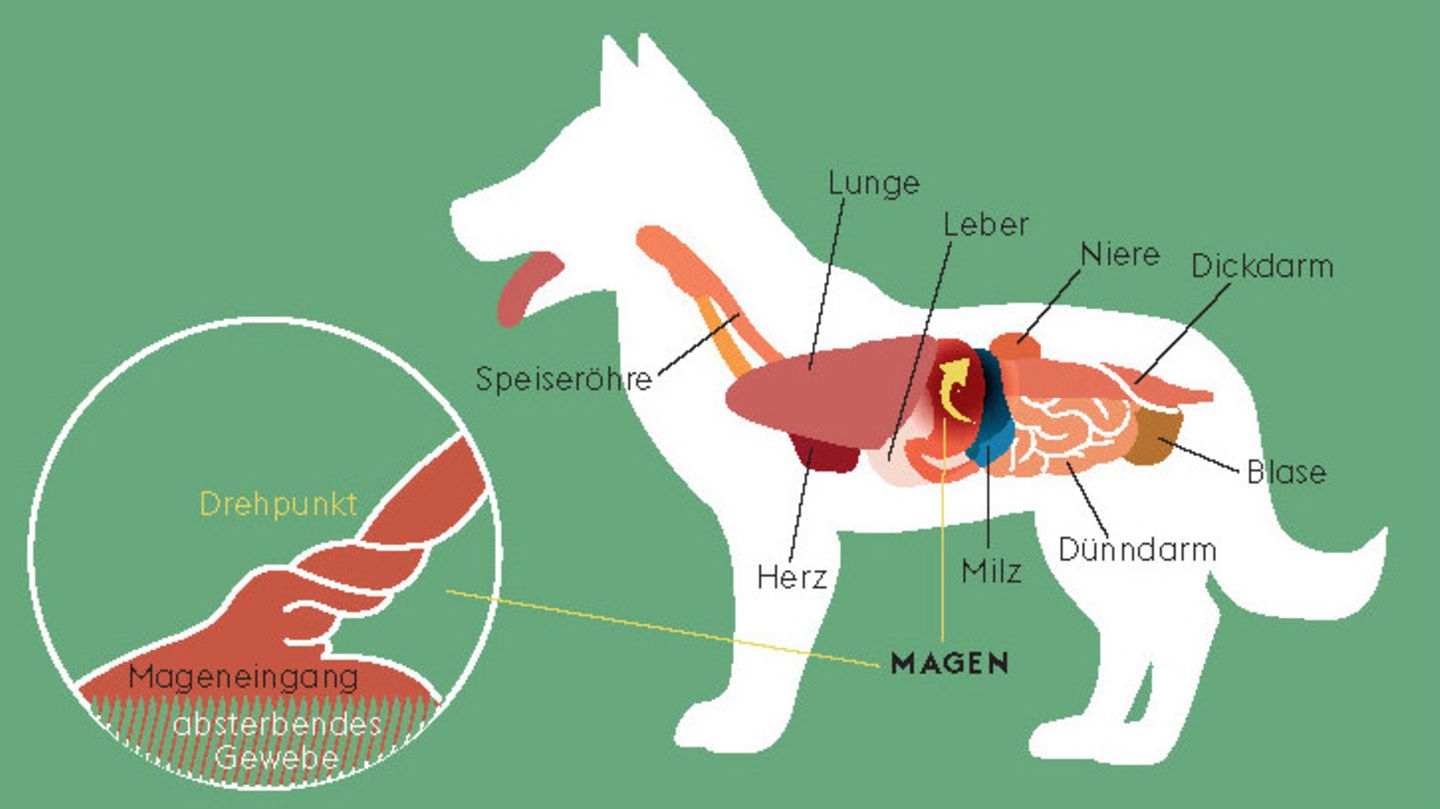
Gastric torsion in dogs, also known medically as gastric torsion or twisting of the stomach, is an acute, life-threatening condition. In this condition, the dog's stomach twists around its own longitudinal axis. This twisting closes off both the entrance to the stomach (leading to the esophagus) and the exit (leading to the duodenum).
That means:
The stomach contents, gases, fluids, and food can no longer escape. This leads to massive gastric dilatation; the abdomen becomes severely distended and exerts enormous pressure on surrounding organs, blood vessels, and the heart.
Within a very short time, the blood supply to the stomach, spleen, and other organs is disrupted. The circulatory system can collapse, circulatory shock is imminent – and in the worst case, the animal dies.
Gastric torsion or gastric dilatation – what is the difference?
Not every instance of gas is automatically gastric torsion. In simple gastric dilatation, gas accumulates in the stomach without any twisting. However, this condition can develop into gastric torsion.
In gastric torsion itself, the stomach twists around its own axis. Blood vessels are constricted, and the blood supply to the stomach wall and adjacent organs such as the spleen is severely impaired. This is precisely what makes gastric torsion so dangerous in dogs.
Which dogs belong to the risk group?
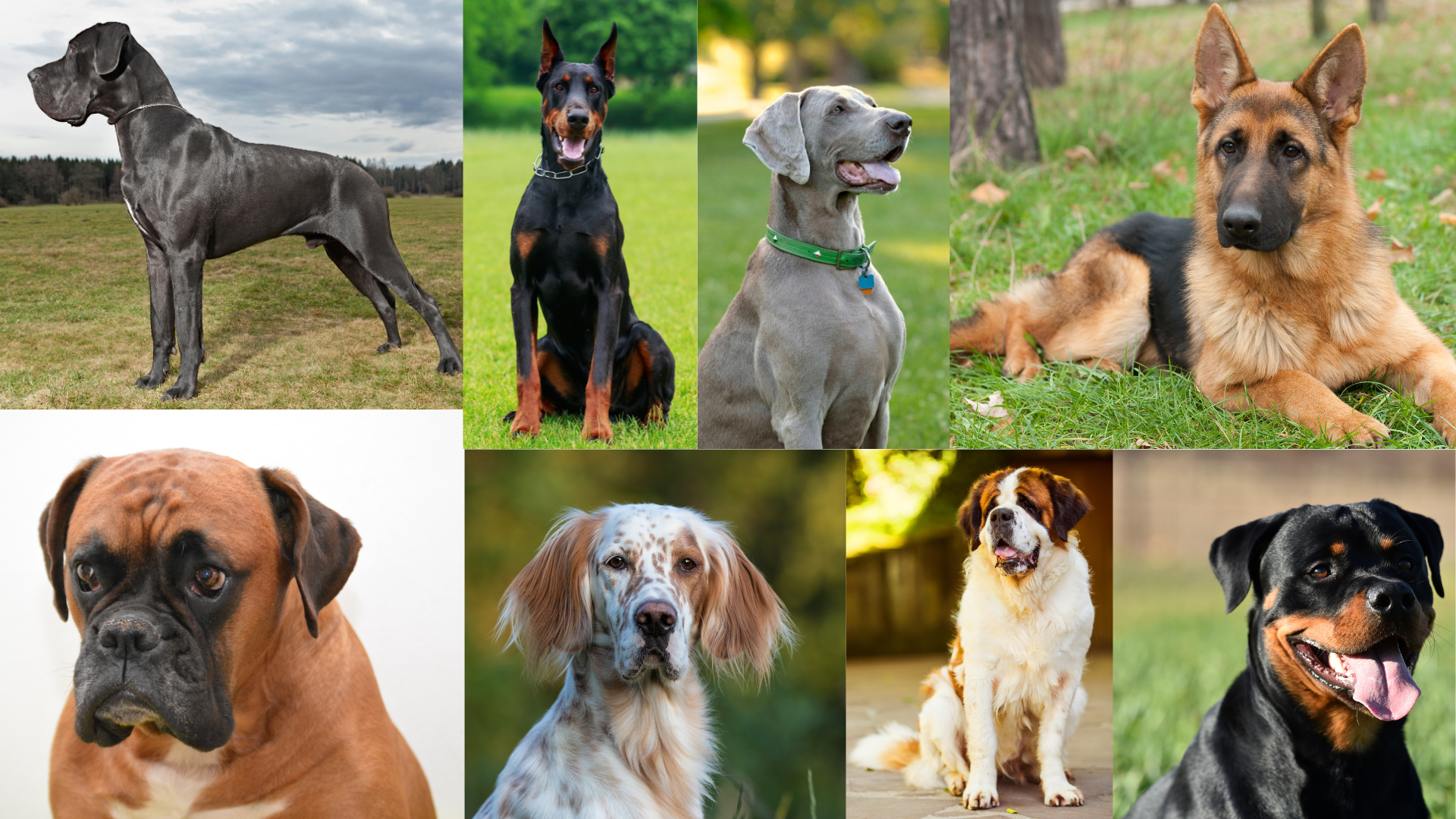
In principle, any dog can be affected. However, there are certain breeds and physical characteristics that significantly increase the risk.
Particularly endangered dog breeds
-
Great Dane
-
German shepherd dog
-
boxer
-
Doberman
-
rottweiler
-
Saint Bernard
-
setter
-
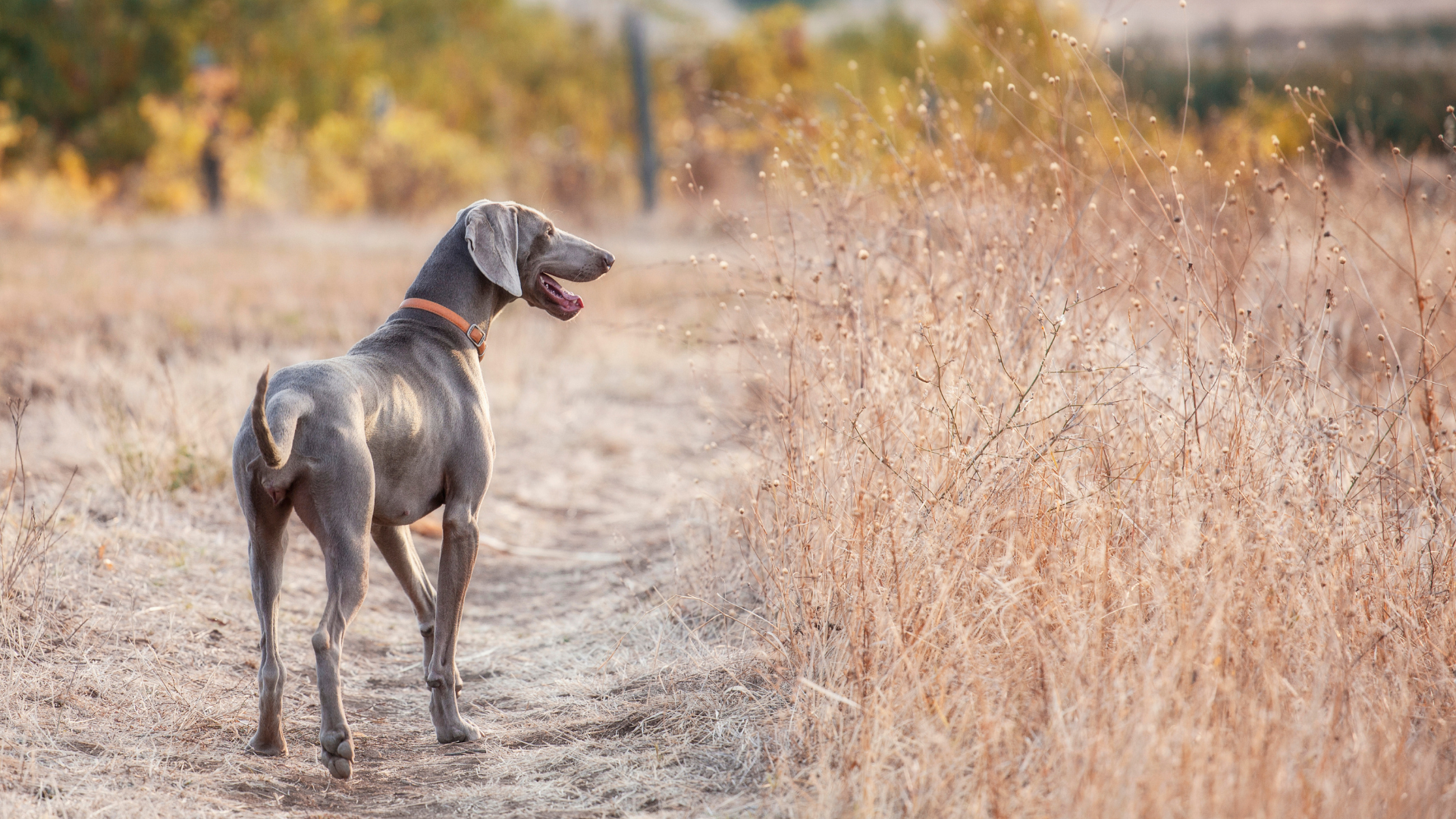
Weimaraner
These breeds typically share a deep, narrow chest. This gives the stomach more "room to move" in the abdominal cavity, making it more prone to tipping or twisting.
Large dogs, fast-eating dogs, and dogs that eat large amounts of food per meal are also among the risk group.
Causes and risk factors of gastric torsion in dogs
The exact cause remains unclear to this day. Usually, several factors combine.
Common risk factors include:
-
hasty eating
-
large quantities of feed at once
-
highly gassy feed
-
Movement, romping or jumping directly after eating
-
Stress and anxiety
-
genetic predisposition
-
increasing age
-
Feed once a day instead of several small portions.
Digestive gases, fluids, and leftover food can also make the stomach heavier and promote torsion.
Symptoms of gastric torsion – recognize the emergency
The symptoms of gastric torsion in dogs often develop very quickly. The sooner you recognize it, the greater the chance of survival.
Typical symptoms include:
-
sudden, intense restlessness
-
Panting, trembling, circulatory weakness
-
Gagging movements without vomiting
-
hard, bloated stomach
-
Pain when palpating the abdominal wall
-
excessive salivation
-
rapid pulse, weak circulation
-
pale mucous membranes
-
collapse
-
Loss of appetite/apathy
Important:
If your dog is gagging but not vomiting, and its belly is visibly getting bigger, it is an absolute emergency.
Why is gastric torsion so life-threatening?
The twisting of the stomach constricts vital blood vessels. Blood flow to the stomach, spleen, and partially to the pancreas is interrupted. Toxins enter the bloodstream, and the circulatory system collapses.
Additionally, the bloated stomach presses against the heart and lungs. The dog has difficulty breathing, and its circulatory weakness worsens. Without prompt treatment, this condition can be fatal within a few hours.
Diagnosis in the veterinary practice
In veterinary practice, every minute counts. Based on the symptoms alone, there is usually a strong suspicion of gastric torsion in dogs.
To confirm the diagnosis, an X-ray is usually taken. The typical twisting of the stomach is clearly visible on this image. In some cases, a gastric tube is also inserted to release gas – if this is unsuccessful, it is a further indication of gastric torsion.
Treatment – immediate action saves lives
Treating gastric torsion is always a medical emergency and usually requires immediate surgery.
Initial measures
-
Stabilizing the circulatory system with infusions
-
Pain therapy
-
Relief of the stomach via gastric tube or puncture
-
Oxygen administration
Surgery for gastric torsion
During the operation, the stomach is rotated back into its normal position. Damage to the stomach wall, spleen, or other organs is assessed. In many cases, a procedure called gastropexy is performed: the stomach is fixed to the abdominal wall to prevent recurrent gastric torsion.
The faster the operation is performed, the better the chances of survival.
Prognosis and life after gastric torsion
The prognosis depends heavily on how quickly action is taken and the dog's condition upon arrival. If gastric torsion is detected and treated early, many dogs can be saved.
After the operation, your dog will need rest, special food, and close monitoring. Many dogs can lead a good and happy life again after recovering from gastric torsion.
Prevention – how you can reduce the risk
Even though gastric torsion in dogs can never be completely prevented, you can do a lot in everyday life to significantly reduce the risk for your four-legged friend – especially in at-risk breeds.
Feeding is a particularly important point. Instead of one large meal a day, you should feed your dog several small portions. Small amounts of food spread throughout the day relieve the stomach and can help prevent severe bloating. This feeding routine can reduce the risk of gastric torsion, especially in large dog breeds.
Equally important is the feeding behavior. Eating quickly and hastily leads to swallowing a lot of air. Eating slowly – for example, using a slow-feeder bowl or in calm feeding situations – can help reduce digestive gases and relieve the stomach.
Your dog needs rest after eating. Running around, jumping, or playing roughly immediately after a meal significantly increases the risk of gastric torsion (bloat). Therefore, schedule regular rest periods after feedings so that the stomach can fill and empty properly.
The choice of food also plays a role. Non-swelling food can help to put less strain on the stomach and prevent excessive stomach volume. Additionally, ensure consistent feeding without large fluctuations in the amount or time of feeding.
For particularly vulnerable breeds, preventive gastropexy may also be considered – talk openly about this with your veterinarian.
Gastric torsion in dogs – your knowledge can save lives
Gastric torsion in dogs is a serious, rapidly progressing, and life-threatening condition. It particularly affects large, deep-chested breeds such as Great Danes, German Shepherds, and Boxers – but can, in principle, affect any dog.
Your greatest protection is knowledge. If you know the symptoms, act quickly and don't waste any time, you can save your pet's life in an emergency.
Stay alert, listen to your gut feeling, and never hesitate to visit a veterinary practice or animal hospital. Your four-legged friend relies on you, and you are their safe haven.